



What's Happening?
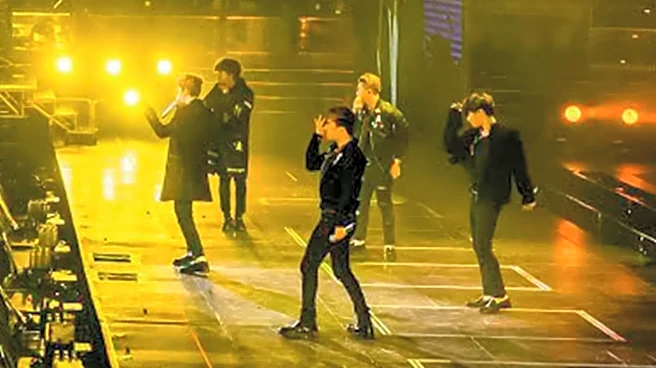
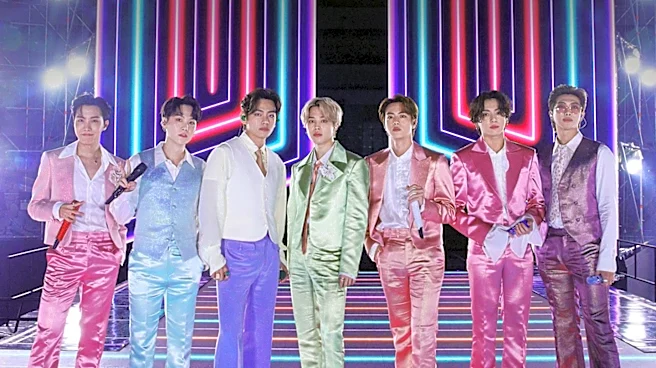
Taiwan's Minister of Health and Welfare, Shih Chung-liang, has commended fans of the South Korean boy band BTS for their charitable donations inspired by encounters with the group. This trend, dubbed 'sea turtle-style stanning,' involves fans making 'lucky
donations' to social welfare organizations after spotting BTS members. While praising the initiative as 'a wonderful thing that deserves encouragement,' Minister Shih also urged fans to verify the legitimacy of the charities they donate to. The Ministry of Health and Welfare (MOHW) advises donors to check if organizations are legally established and registered, and it provides an online database of authorized fundraising organizations. These approved organizations are required to display official fundraising permit numbers and publicly disclose how donations are used. The phenomenon coincides with BTS concerts in Kaohsiung, which significantly boosted local metro ridership to near-record levels, with 391,384 passenger trips recorded on one Saturday, making it the second-highest single-day total on record for the Kaohsiung Metro.
Why It's Important?
This development highlights a growing trend of fan engagement extending beyond traditional consumption of entertainment into social responsibility. The encouragement of charitable giving by a prominent public figure like Taiwan's Health Minister can amplify the positive impact of fan culture, potentially inspiring similar initiatives globally. However, the concurrent warning about verifying charities underscores a critical issue in philanthropic efforts: ensuring transparency and accountability. This dual message is crucial for safeguarding donors and ensuring that funds reach their intended beneficiaries, preventing potential fraud or misuse. The significant economic impact on local infrastructure, as evidenced by the surge in Kaohsiung Metro ridership, also demonstrates the substantial influence of major entertainment events on local economies and public services, necessitating effective crowd management and logistical planning.
What's Next?
Following the minister's advice, it is anticipated that there will be increased awareness among BTS fans and the general public in Taiwan regarding the importance of verifying charitable organizations. The MOHW's online database is likely to see increased usage as donors seek to confirm the legitimacy of charities. This could lead to a more informed donor base and potentially encourage other fan communities to adopt similar charitable practices while also exercising due diligence. Local authorities in Kaohsiung and other cities hosting large-scale events may also review and enhance their public transportation strategies to better accommodate significant influxes of people, learning from the near-record ridership experienced during the BTS concerts. The 'sea turtle-style stanning' trend may also evolve, with fans potentially organizing more structured charitable campaigns in conjunction with verified organizations.
Beyond the Headlines
The 'sea turtle-style stanning' phenomenon reflects a broader evolution in fan-idol relationships, moving towards more respectful and socially conscious interactions. This approach, which prioritizes the idols' privacy while channeling fan enthusiasm into positive societal contributions, could set a new standard for fan culture. It also subtly shifts the narrative around celebrity influence, demonstrating how it can be leveraged for collective good rather than solely for commercial gain. Ethically, it raises questions about the responsibility of public figures and fan communities to ensure that charitable impulses are directed effectively and ethically. The minister's intervention serves as a reminder that while goodwill is valuable, it must be paired with practical safeguards to maximize its positive impact and maintain public trust in charitable giving.