






What's Happening?
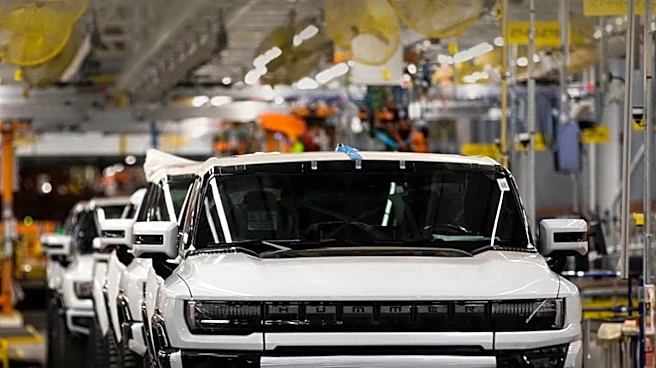
Wing, a drone delivery company, is set to invest up to $125 million over the next two years to establish a new drone manufacturing facility in Fort Worth, Texas. This 15,000-square-foot plant is projected to create up to 100 new manufacturing jobs in the region.
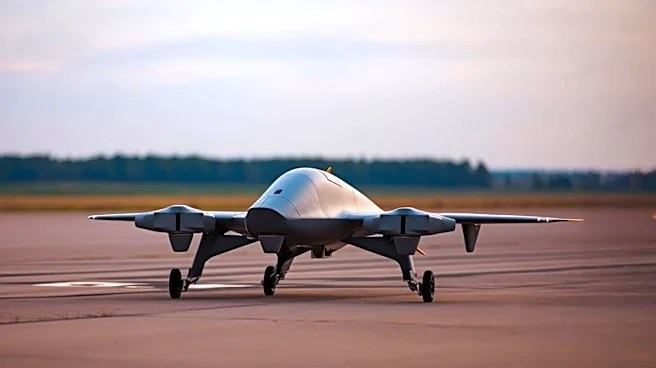
The facility will have the capacity to produce tens of thousands of delivery aircraft annually, supporting Wing's broader strategy to expand its drone delivery operations across the United States. This investment underscores the company's commitment to domestic manufacturing and aims to strengthen Fort Worth's advanced manufacturing sector. Wing CEO Adam Woodworth emphasized that the U.S. is a primary focus for the company's growth, and this investment is intended to advance American aviation innovation and build commercial momentum.
Why It's Important?
This significant investment by Wing highlights a growing trend in the localization of advanced manufacturing within the U.S., particularly in the burgeoning drone technology sector. By establishing a large-scale manufacturing facility in Fort Worth, Wing is not only creating direct employment opportunities but also contributing to the economic development of the region. The capacity to produce tens of thousands of drones annually suggests a strong belief in the scalability and future demand for drone delivery services. This move could also bolster the U.S.'s position in drone technology innovation and production, potentially reducing reliance on foreign manufacturing. For Fort Worth, it signifies a strengthening of its advanced manufacturing base and an attraction of high-tech industries, which can lead to further investment and job creation in related sectors.
What's Next?
Over the next two years, Wing will proceed with the establishment and operationalization of its 15,000-square-foot drone manufacturing facility in Fort Worth. This will involve hiring up to 100 new employees to staff the plant. As the facility becomes operational, it will begin producing tens of thousands of delivery aircraft annually, which will then be deployed to support Wing's expansion of drone delivery services across the U.S. The success of this facility could influence future investment decisions by Wing and other drone technology companies, potentially leading to further growth in the domestic drone manufacturing industry. Local economic development agencies will likely monitor the facility's progress as a benchmark for attracting similar high-tech investments.
Beyond the Headlines
Wing's investment in a U.S.-based drone manufacturing facility reflects a broader strategic shift towards securing supply chains and fostering domestic technological independence. This move could have long-term implications for national security by ensuring that critical drone technology is produced within the country, reducing vulnerabilities associated with offshore manufacturing. Furthermore, the development of such facilities could spur innovation in automation and robotics within the manufacturing sector, as drone production often involves advanced assembly techniques. Ethically, the expansion of drone delivery services, supported by this manufacturing capability, will continue to raise questions about airspace management, privacy concerns related to drone operations, and the potential impact on traditional logistics and delivery jobs.