








What's Happening?
A recent study highlights the significant freshwater demands associated with green hydrogen production, emphasizing the need for comprehensive water management strategies. The research, published in Communications Sustainability, reveals that the water footprint
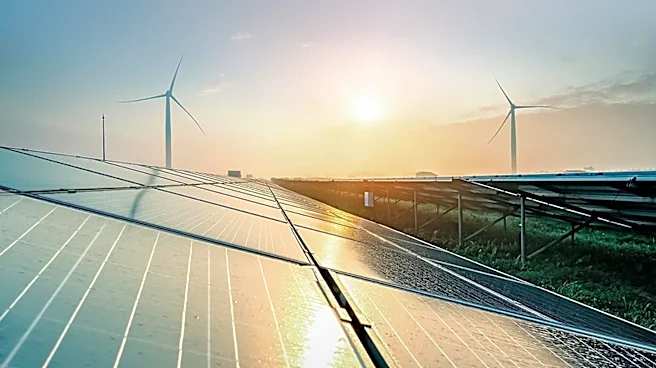
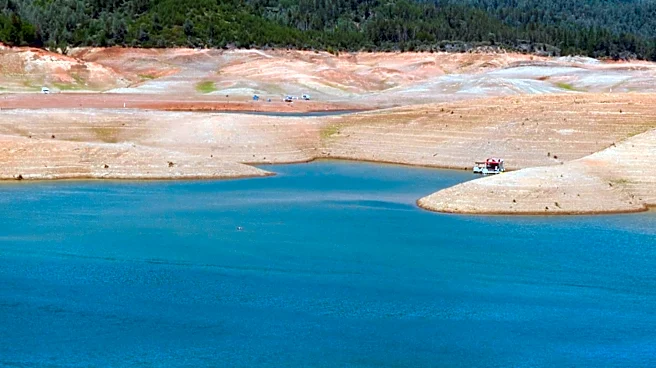
of green hydrogen is often underestimated, as it typically focuses only on the water used in electrolysis, neglecting the substantial water required for cooling systems. The study combines thermodynamic modeling with climate data to assess the total freshwater needs for large-scale electrolysis, finding that evaporative cooling can significantly increase water consumption. This is particularly concerning in regions already facing water scarcity, where many solar-based hydrogen projects are located.
Why It's Important?
The findings underscore the critical need to consider water availability in the planning and development of green hydrogen projects. As the world transitions to low-carbon energy sources, green hydrogen is seen as a key component in reducing industrial carbon emissions. However, the high water demands associated with its production could pose significant challenges, particularly in arid regions. This could impact the feasibility and sustainability of green hydrogen projects, potentially slowing down the global shift towards renewable energy. The study calls for alternative cooling technologies and sustainable water management practices to mitigate these challenges.
What's Next?
To address the water constraints identified in the study, developers of green hydrogen projects may need to explore alternative cooling methods, such as dry air cooling or hybrid systems, which could reduce water consumption but may also increase costs. Additionally, the use of seawater desalination for coastal projects could provide a viable solution, though it requires careful management to avoid environmental impacts. Policymakers and industry stakeholders will need to incorporate water-related metrics into their planning and financing frameworks to ensure the long-term sustainability of green hydrogen production. This could involve developing new technologies and infrastructure to support water-efficient hydrogen production.