


What's Happening?
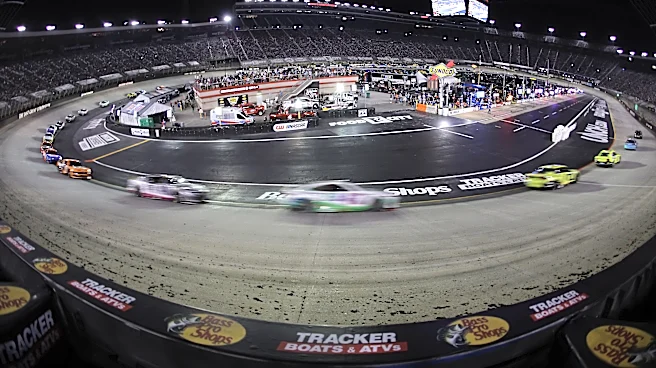
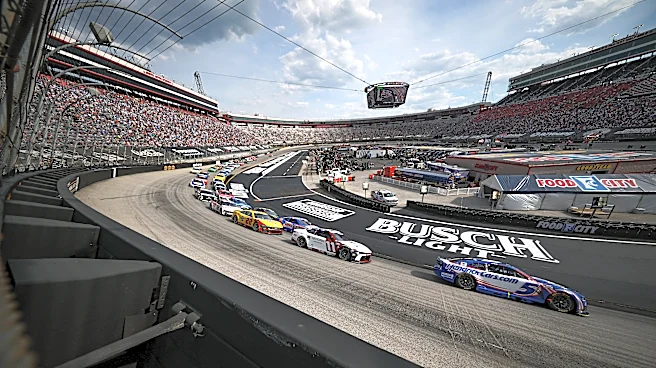
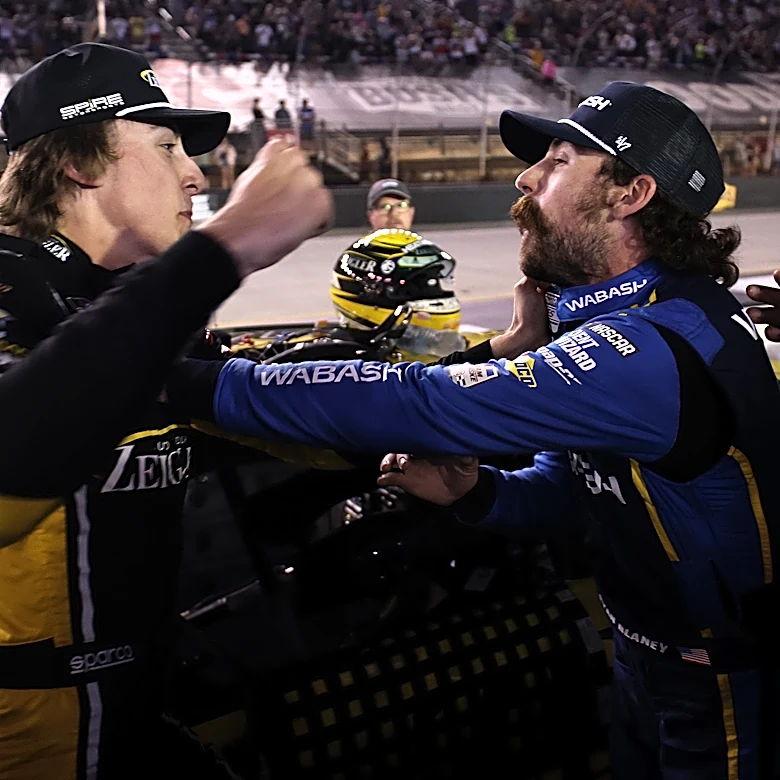
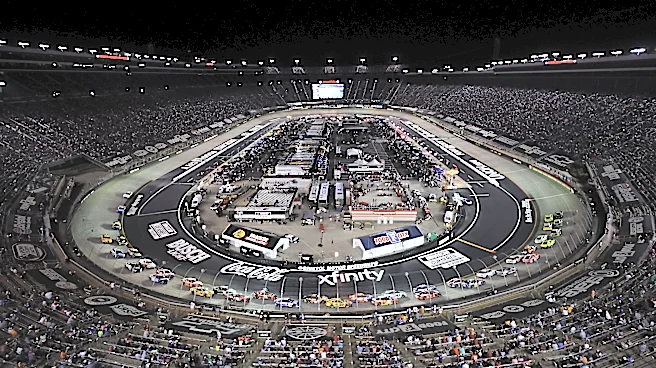
A post-race brawl between NASCAR drivers Ryan Blaney and Carson Hocevar at Bristol has ignited debate within the racing community regarding potential penalties. The incident occurred after Blaney's No. 12 Penske Ford was sent spinning into the wall on lap
458 following contact with Hocevar's No. 77 Spire Chevrolet. Blaney, visibly agitated, confronted Hocevar on pit road, leading to a physical altercation that involved punches thrown by both drivers before crews and NASCAR officials intervened. The fight overshadowed Joey Logano's victory at Bristol and has been widely circulated on social media, with NASCAR itself sharing footage. Scott McLaughlin, an IndyCar driver for Roger Penske, publicly criticized NASCAR, suggesting they will leverage the incident for marketing while still imposing fines, highlighting a perceived double standard. This event follows previous brawls, including one between Ricky Stenhouse Jr. and Kyle Busch in 2024, which resulted in a $75,000 fine for Stenhouse Jr., and an unpenalized incident between Ross Chastain and Noah Gragson in 2023.
Why It's Important?
This incident is significant because it brings NASCAR's inconsistent penalty system for on-track and post-race altercations into sharp focus. Unlike other major sports leagues, NASCAR lacks fixed fines and penalties, leading to speculation and controversy after each event. The public criticism from a prominent figure like Scott McLaughlin, an IndyCar driver for Roger Penske, underscores a broader concern about the fairness and transparency of NASCAR's disciplinary actions. The differing outcomes of previous brawls—Stenhouse Jr. fined, Chastain unpenalized—create a precedent of ambiguity that can erode trust among drivers, teams, and fans. How NASCAR handles this situation will either reinforce perceptions of arbitrary enforcement or establish a clearer, more consistent standard for driver conduct, potentially influencing future interactions and the sport's image. The commercial exploitation of such incidents by NASCAR for social media engagement, as suggested by McLaughlin, also raises questions about the balance between entertainment value and maintaining sporting integrity.
What's Next?
NASCAR is expected to review the incident between Ryan Blaney and Carson Hocevar to determine if any penalties will be issued. The decision will likely depend on how NASCAR interprets the events, considering factors such as premeditation and the severity of the altercation, similar to how past incidents were evaluated. There are three potential paths for NASCAR: establishing a new precedent for such brawls, or following the course taken in the two most recent similar incidents. The racing community, including drivers like Corey Heim, has expressed varied opinions on whether fines should be imposed, with some arguing against penalties unless a 'cheap shot' is involved. The outcome will be closely watched by fans and stakeholders, as it will indicate NASCAR's stance on driver conduct and the consistency of its disciplinary actions. Any decision made will likely be scrutinized for its alignment with previous rulings and its impact on the sport's competitive environment.
Beyond the Headlines
The Bristol brawl highlights a deeper tension within professional sports, particularly in high-octane environments like NASCAR, between raw emotional expression and regulated conduct. The absence of a clear, fixed penalty structure for physical altercations allows for subjective interpretation, which can be both a strength, enabling nuanced judgments, and a weakness, leading to accusations of favoritism or inconsistency. This situation also touches upon the commercialization of conflict; NASCAR's apparent willingness to use footage of the fight for social media engagement suggests a strategy where controversy can be leveraged for audience engagement, potentially blurring the lines between sport and spectacle. The ethical implications of profiting from driver altercations while simultaneously needing to enforce discipline present a complex challenge for the organization. Ultimately, how NASCAR navigates this incident could influence not only its immediate disciplinary framework but also its long-term brand identity and the expectations placed on its athletes regarding emotional control and sportsmanship.