






What's Happening?
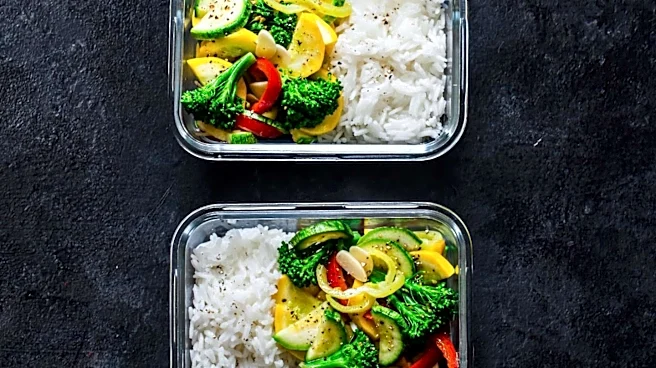
High-protein meal prep involves cooking multiple portions of protein-rich meals in advance, typically on one day, to provide balanced meals for the week. These meals usually combine lean protein sources with carbohydrates and vegetables. The practice
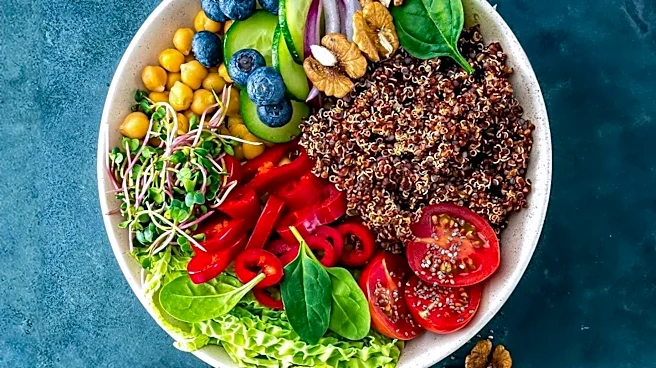
is highlighted for its effectiveness in weight management, as high-protein meals are filling and portioning them beforehand simplifies adherence to dietary plans. Examples of high-protein meal prep include Garlic Chicken, Rice and Broccoli; Turkey Taco Bowls; Beef and Lentil Chili; Salmon, Quinoa and Edamame Bowls; and Tofu, Edamame and Quinoa Bowls. Recipes often aim for 25-50 grams of protein per portion, with affordable options like eggs, canned beans, lentils, chicken thighs, and lean ground turkey being recommended for budget-conscious individuals.
Why It's Important?
High-protein meal prep is crucial for individuals aiming to manage their weight, build muscle, or simply maintain a healthy diet. Protein is essential for satiety, muscle repair, and overall bodily functions. By preparing high-protein meals in advance, individuals can ensure consistent intake of this vital macronutrient, preventing unhealthy snacking and supporting their fitness goals. This approach is particularly beneficial for busy professionals or those with limited time for daily cooking, as it removes the guesswork and effort from mealtime decisions. The emphasis on affordable protein sources also makes healthy eating more accessible to a wider demographic, addressing economic barriers to nutritious diets and promoting long-term health benefits across various socioeconomic groups.
What's Next?
The growing interest in high-protein diets and meal prepping is likely to drive further innovation in food product development and meal planning services. Expect to see more pre-packaged high-protein meal kits, specialized meal prep delivery services, and an expansion of online resources offering high-protein recipes and meal plans. Food technology, such as AI-powered meal planners, will continue to evolve, providing personalized dietary recommendations based on individual protein targets and preferences. Additionally, there may be an increase in educational content from nutritionists and dietitians, emphasizing the importance of balanced macronutrient intake and practical meal preparation strategies for optimal health and fitness.
Beyond the Headlines
Beyond its direct impact on physical health, high-protein meal prep can foster discipline and organization in daily life. The act of planning and preparing meals instills a sense of control and mindfulness around food choices, which can extend to other areas of personal well-being. It also encourages a deeper understanding of nutritional science, as individuals learn about protein sources, portion control, and balanced eating. This practice can lead to greater food independence, reducing reliance on external food providers and promoting self-sufficiency in maintaining a healthy lifestyle. Furthermore, by making healthy eating more convenient, it can free up time and mental energy that would otherwise be spent on daily meal decisions, allowing individuals to focus on other priorities.