








What's Happening?
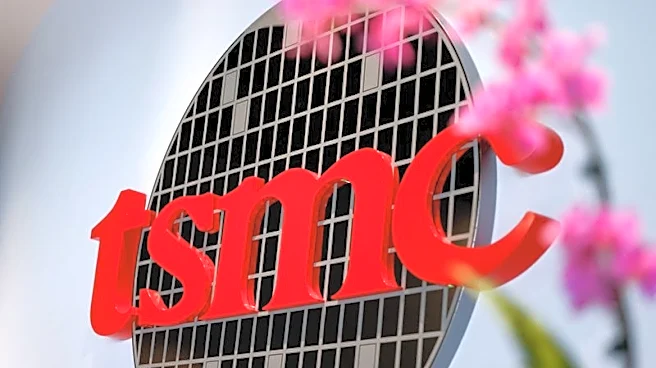
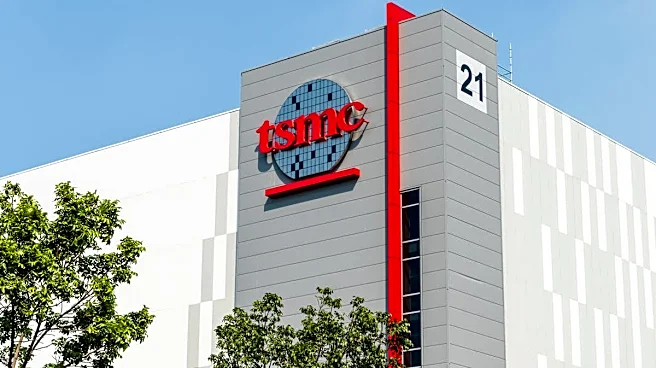
Taiwan Semiconductor Manufacturing Company (TSMC), a leading global chipmaker, has announced plans to invest an additional $100 billion to expand its manufacturing capacity in the United States. This new commitment increases TSMC's total investment in U.S.
chipmaking to $265 billion. The decision comes amid a surge in demand driven by advancements in artificial intelligence (AI). TSMC, which supplies major tech companies like Nvidia and Apple, is responding to the growing need for semiconductor components. The company has already committed $165 billion to build six fabrication facilities in Arizona. TSMC's CEO, C.C. Wei, emphasized that this investment aims to support the strong multiyear demand from U.S. customers and strengthen the semiconductor supply chain.
Why It's Important?
This significant investment by TSMC underscores the critical role of the semiconductor industry in the U.S. economy, particularly as AI technologies continue to evolve. The expansion is expected to bolster the U.S. semiconductor ecosystem, creating high-tech, high-paying jobs and enhancing the supply chain's resilience. As the demand for AI-related technologies grows, the need for advanced semiconductor manufacturing becomes increasingly vital. TSMC's investment is likely to have a substantial impact on the U.S. tech industry, potentially leading to increased innovation and competitiveness. Additionally, this move may influence other global semiconductor companies to consider similar investments in the U.S., further solidifying the country's position as a leader in technology and innovation.
What's Next?
TSMC's expansion plans in the U.S. are expected to unfold over the coming years, with the construction of new facilities and the scaling up of production capabilities. The company's increased capital expenditure budget for the year, now set between $60 billion and $64 billion, indicates a robust commitment to meeting the growing demand. As these facilities become operational, they will likely contribute to the U.S. economy by providing jobs and supporting technological advancements. Stakeholders, including tech companies and policymakers, will be closely monitoring the progress of these developments, as they could have far-reaching implications for the global semiconductor market and the broader tech industry.