






What's Happening?
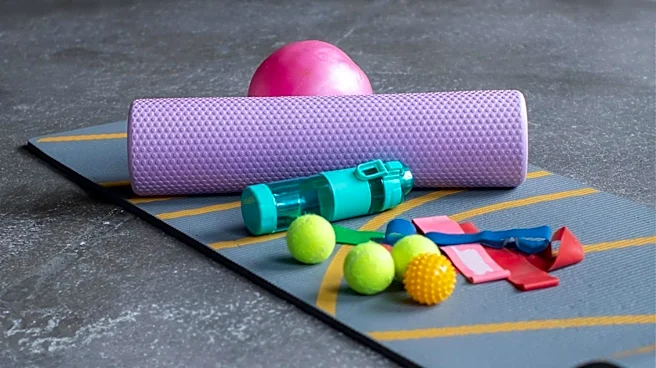
Research indicates that textured foam rollers are more effective for muscle recovery and flexibility compared to their non-textured counterparts. These rollers, characterized by multi-density ridges, provide targeted pressure that smooth rollers cannot
match. Studies show that textured foam rollers lead to a greater increase in skin temperature and a faster recovery response. They are particularly beneficial for large muscle groups such as quads, hamstrings, calves, and the thoracic spine. The use of foam rollers has been shown to accelerate muscle recovery, reduce fatigue, and decrease delayed onset muscle soreness at 24, 48, and 72 hours post-exercise. Furthermore, foam rolling immediately improves flexibility and range of motion without compromising muscle strength. Firmer rollers are noted to yield better results for lower limb recovery. While vibrating rollers and massage guns exist, textured foam rollers offer a cost-effective and reliable solution without the need for batteries or charging, promoting consistent use.
Why It's Important?
The findings on the efficacy of textured foam rollers have significant implications for athletes, fitness enthusiasts, and individuals seeking effective muscle recovery and improved flexibility in the U.S. sports and wellness industries. This research provides evidence-based guidance for consumers and professionals in selecting recovery tools, potentially shifting market demand towards textured options. For athletes, faster recovery means reduced downtime and enhanced performance, contributing to better training outcomes and competitive advantages. The ability to improve flexibility without strength reduction is crucial for injury prevention and overall physical well-being. Businesses in the fitness equipment sector may see increased demand for textured foam rollers, while manufacturers might focus on developing more advanced multi-density designs. This information also empowers individuals to make informed decisions about their recovery routines, potentially leading to a healthier and more active population by making effective tools accessible and understandable.
What's Next?
The growing body of peer-reviewed research on foam rolling is likely to influence product development and marketing strategies within the U.S. fitness and recovery industries. Manufacturers may increasingly emphasize the textured design and density of their foam rollers, highlighting the scientific benefits. Consumers can expect to see more detailed product descriptions and educational content explaining the advantages of textured rollers over smooth or electronic alternatives. Fitness professionals and physical therapists may integrate these findings into their recommendations, guiding clients towards more effective recovery practices. The focus on simple, mechanical tools that do not require batteries could also lead to a resurgence in demand for straightforward, durable recovery equipment. Further research may explore optimal textures, densities, and application techniques for different muscle groups and recovery goals, refining best practices for foam rolling.
Beyond the Headlines
The preference for textured foam rollers over more technologically advanced options like vibrating rollers or massage guns highlights a broader trend in the wellness industry: the value of simplicity and consistency. While high-tech gadgets often promise quick fixes, this research underscores that fundamental, accessible tools, when used consistently, can deliver superior results. This challenges the consumerist drive towards complex and expensive solutions, suggesting that effective recovery doesn't always require the latest innovation. Ethically, this information promotes a more democratic approach to wellness, making effective recovery tools available to a wider audience regardless of budget. Culturally, it reinforces the importance of foundational self-care practices and the benefits of understanding basic biomechanics. The long-term shift could be towards a more informed consumer base that prioritizes proven efficacy and sustainable practices over marketing hype, fostering a more grounded approach to physical health and recovery.