


What's Happening?
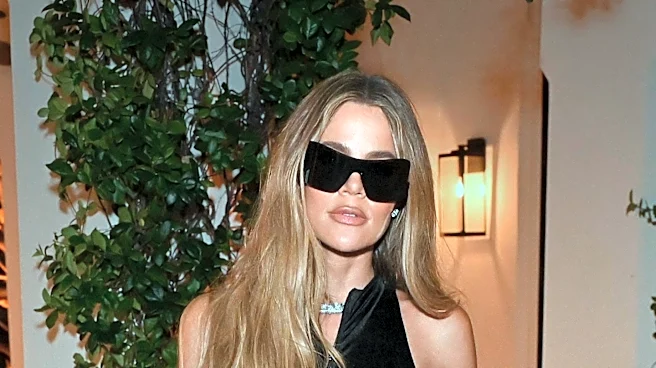
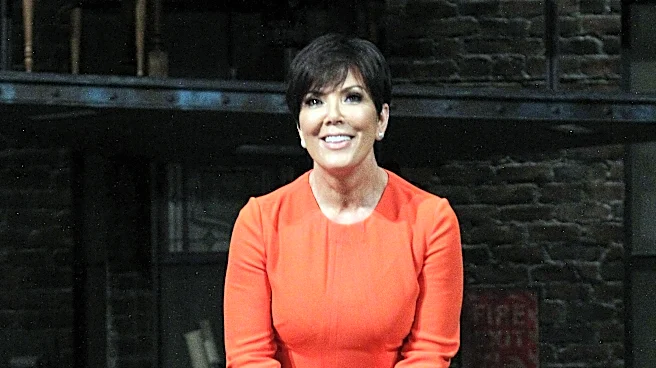
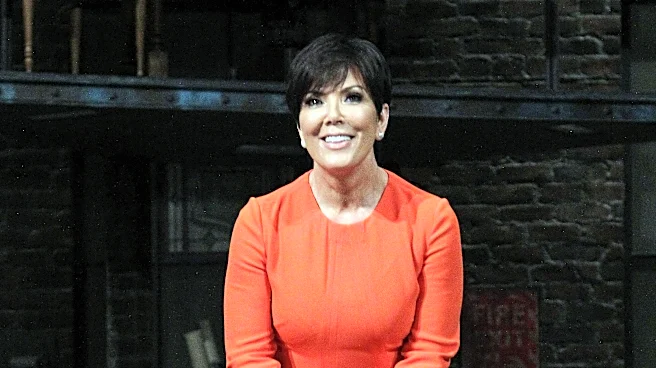
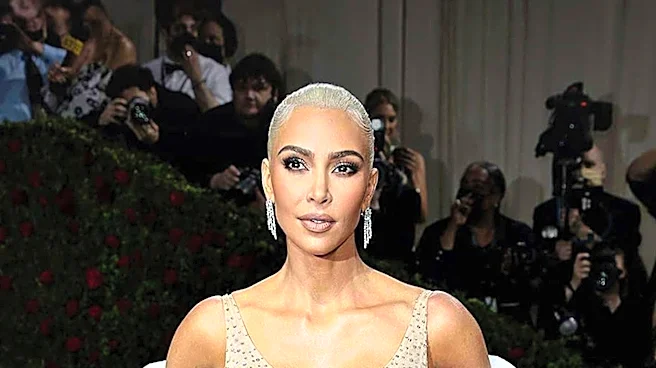
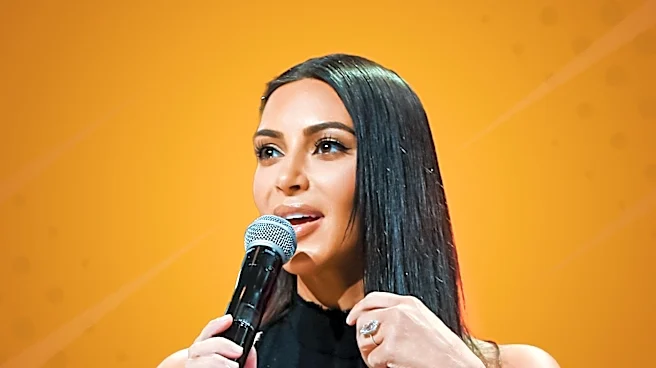
Kim Kardashian recently reaffirmed her belief that the 1969 moon landing was faked during an episode of 'The Kardashians'. Alongside Khloé Kardashian and Scott Disick, she posed 'hard-hitting' questions to Dr. Kate Biberdorf, a chemistry professor at the University
of Notre Dame. When asked about the Earth's shape, Kim quickly shifted the conversation to her skepticism about the moon landing, stating, 'I’m a, like, we-didn’t-land-on-the-Moon kind of gal.' Scott Disick echoed her sentiment, suggesting there was 'no chance we landed on the Moon and were able to stream it to everybody in the world.' This is not the first time Kim Kardashian has expressed these doubts; she previously attempted to convince her 'All’s Fair' costar, Sarah Paulson, in a 2025 episode, citing alleged videos of Buzz Aldrin. Khloé Kardashian also admitted her brain 'can't handle' the discussion, and after the conversation, she concluded, 'Did we land on the Moon? No. Does she think we did? Yeah.'
Why It's Important?
The repeated promotion of moon landing conspiracy theories by a high-profile public figure like Kim Kardashian can have a significant impact on public discourse and the perception of scientific facts. Given her vast audience, particularly on social media and through her reality show, such statements can inadvertently lend credibility to unsubstantiated claims, potentially eroding trust in scientific institutions and historical events. This trend is part of a broader challenge where misinformation, regardless of intent, can spread rapidly and influence public opinion, making it harder for factual information to gain traction. For educational institutions and scientific communities, it highlights the ongoing need to effectively communicate scientific consensus and critical thinking skills to a broad audience, especially when faced with celebrity influence. The discussion also touches on other conspiracy theories, such as the flat Earth theory, indicating a broader pattern of skepticism towards established knowledge.
What's Next?
While the immediate consequences of Kim Kardashian's statements are likely to be continued public discussion and media coverage, it may also prompt further responses from scientific organizations like NASA, which has previously addressed her claims. The ongoing nature of these discussions on 'The Kardashians' suggests that such topics may continue to be featured, potentially leading to more engagement with scientists or experts to debunk or discuss these theories. The broader implication is a continued challenge for science communicators to counter misinformation, especially when it originates from influential cultural figures. This could lead to increased efforts in public education campaigns aimed at promoting scientific literacy and critical evaluation of information, particularly among younger demographics who are highly influenced by reality television and social media personalities.
Beyond the Headlines
The phenomenon of celebrities endorsing or questioning established scientific facts, as seen with Kim Kardashian and the moon landing, points to a deeper societal trend where fame can sometimes overshadow expertise. This raises ethical questions about the responsibility of public figures to verify information before sharing it, especially when their platforms reach millions. Legally, there are no direct repercussions for expressing personal beliefs, even if they contradict scientific consensus. Culturally, it reflects a growing skepticism towards authority and institutions, which can be fueled by various factors including social media echo chambers and a desire for alternative narratives. This development underscores the complex interplay between entertainment, public perception, and the dissemination of information in the digital age, highlighting how easily unverified claims can become part of mainstream conversation, challenging the very foundations of shared factual understanding.