


What's Happening?
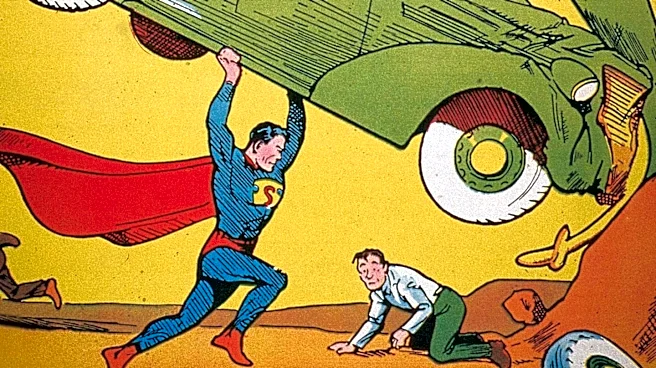
DC Comics has launched 'Superman: The Stranger #1,' a new Black Label series that revisits Superman's origins in 1938. Written and illustrated by Wes Craig, the comic emphasizes Superman's initial role as the 'Champion of the Oppressed,' focusing on his
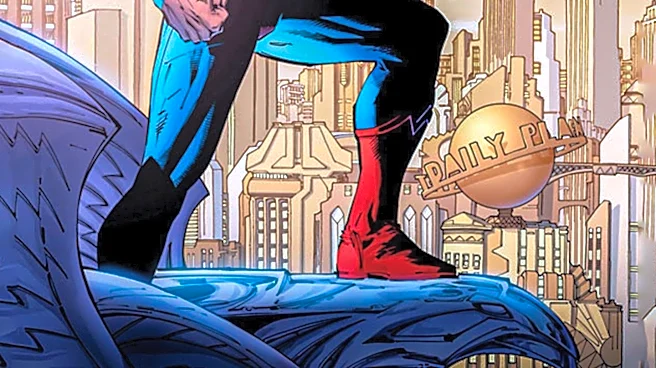
fight against corruption and injustice, reminiscent of his debut in Action Comics #1. The narrative portrays Clark Kent as a struggling journalist in Metropolis, grappling with his superhuman abilities while facing personal financial difficulties and the machinations of Lex Luthor. The series intentionally dials back Superman's powers to Golden Age levels, omitting abilities like heat vision or Arctic breath, and instead highlighting immense strength and leaping. The story also features a unique twist where the Daily Planet is acquired by a wealthy owner, potentially altering Clark's interactions with iconic characters like Lois Lane and Jimmy Olsen. The artwork by Wes Craig and colors by Jason Wordie aim to capture the grit and aesthetic of the early 20th century.
Why It's Important?
This new series is significant for its reinterpretation of a foundational American superhero, offering a fresh perspective on Superman's early days. By setting the story in Depression-era America and focusing on themes of economic struggle and systemic corruption, 'Superman: The Stranger #1' connects the character's historical context to contemporary societal issues. This approach allows for a deeper exploration of Superman's core motivations and his relevance as a symbol of hope and justice in challenging times. The decision to limit his powers to Golden Age levels underscores the idea that heroism is not solely dependent on overwhelming strength but also on moral conviction and the fight against everyday injustices. This narrative choice could resonate with modern audiences by presenting a more grounded and relatable hero, while also appealing to long-time fans interested in a nostalgic yet innovative take on the character's mythology.
What's Next?
As 'Superman: The Stranger #1' is the first issue in a six-part mini-series, future installments are expected to further develop Clark Kent's struggle to find his place in the world and his evolving understanding of evil. The series is poised to explore the growing conflict between Superman and Lex Luthor, whose character is depicted as a manipulative figure controlling politicians and rigging elections. Readers can anticipate seeing how Superman, with his limited powers, will confront these systemic issues and whether he can truly effect change for the downtrodden. The creative team's commitment to a darker, more noir-inspired tone suggests that the series will continue to delve into the ethical and moral complexities of heroism in a challenging socio-economic landscape. The reception of this initial issue will likely influence future Black Label projects and potentially inspire other creators to revisit classic superhero origins with a similar thematic depth.
Beyond the Headlines
The series' decision to ground Superman in the socio-economic realities of 1938, including themes of journalistic integrity being compromised by wealthy owners and the struggles of the working class, offers a powerful commentary on enduring societal challenges. This approach elevates the comic beyond simple superhero action, transforming it into a reflection on power dynamics, economic inequality, and the role of individuals in fighting for justice. By portraying Clark Kent as an 'outsider' who feels out of place both as a human and as Superman, the narrative explores universal themes of identity and belonging. The 'meta quality' of the story, where this version of Clark speculates on his future, invites readers to consider the evolution of the Superman character over decades and what makes him timeless. This re-imagining could spark discussions about the adaptability of classic narratives to address contemporary concerns and the enduring appeal of heroes who champion the oppressed.