




What's Happening?
Rupert Murdoch, chairman emeritus of Fox Corporation, has reportedly conveyed concerns directly to the White House regarding the issue of sports television rights on streaming services. This advocacy, which began in February, led to the Federal Communications
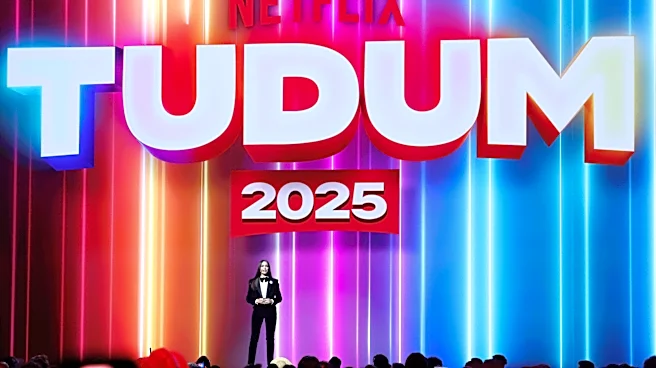
Commission (FCC) soliciting public comment on the matter in the same month. Fox Corporation subsequently submitted its comments in March, emphasizing the importance of sports on broadcast television for sustaining local news and information. The company also suggested that the antitrust exemption in the Sports Broadcasting Act of 1961 might not extend to streaming platforms. Following these developments, the Department of Justice (DOJ) reportedly initiated an investigation into whether the NFL's deals with streaming companies are anti-competitive or anti-consumer. Despite this, the NFL has continued to forge new agreements with streamers, including an expanded contract with Netflix.
Why It's Important?
This move by Rupert Murdoch and Fox Corporation highlights a significant tension in the evolving landscape of sports media rights. The shift of major sporting events to streaming services has caused frustration among fans and poses a challenge to traditional broadcasters. Fox's argument that sports on broadcast television are crucial for local news and information suggests a strategic effort to protect its traditional business model against the rise of digital platforms. If the federal government intervenes, it could reshape how sports content is distributed and consumed, potentially impacting revenue streams for leagues, broadcasters, and streaming services. The investigation by the DOJ into potential anti-competitive practices could lead to new regulations or legal precedents, affecting the competitive balance in the sports media market. This situation underscores the financial stakes involved, as leagues seek to maximize revenue from media rights, while broadcasters and streamers vie for exclusive content to attract and retain audiences.
What's Next?
The ongoing DOJ investigation into the NFL's streaming deals will be a critical factor in determining the future of sports media rights. While the NFL has continued to sign new agreements with streamers, the outcome of this investigation could lead to significant changes in how these deals are structured or even challenged. The push for federal legislation to address sports on streaming services faces an uphill battle in the new Congress, but continued advocacy from traditional broadcasters like Fox could keep the issue on the legislative agenda. Stakeholders, including sports leagues, traditional broadcasters, and streaming platforms, will closely monitor these developments, as any regulatory or legislative action could have profound financial and operational consequences. The debate over accessibility and the economic impact of streaming will likely continue to be a central theme in discussions about sports media rights.
Beyond the Headlines
This situation reflects a broader struggle between established media empires and emerging digital platforms for control over valuable content. Rupert Murdoch's appeal to the government, despite his long-standing advocacy for free-market principles, reveals the intensity of this competition. It suggests that when traditional business models are threatened by disruptive technologies, even staunch proponents of deregulation may seek government intervention. This dynamic raises questions about the role of government in regulating media markets, particularly when it comes to balancing consumer access, competitive fairness, and the financial interests of powerful corporations. The outcome could set a precedent for how other industries adapt to technological disruption and how governments respond to calls for intervention from legacy businesses facing new competition.