






What's Happening?
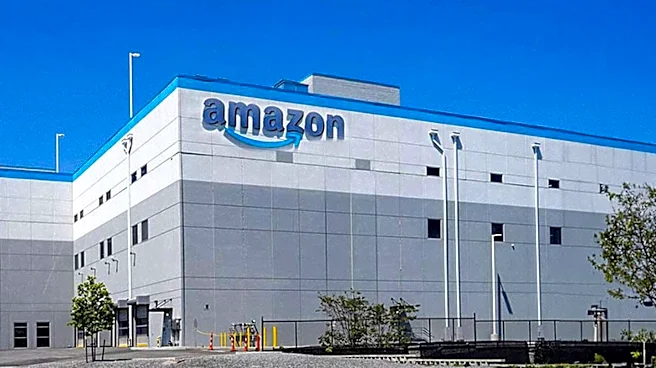
Amazon.com has finalized its first binding union contract in North America, covering hundreds of warehouse employees in Canada. This collective agreement was reached following intervention from a labor board, which determined that Amazon had engaged in anti-union
tactics during the organizing efforts. The contract establishes specific wage terms and provides additional protections for the Canadian warehouse staff. This development is significant as it sets a precedent for labor relations within Amazon's extensive logistics network, particularly concerning its cost structure and workforce practices. The agreement highlights how regulatory bodies and unions can convert labor disputes into defined rules, potentially offering clearer guidelines for warehouse wages and employee protections.
Why It's Important?
This union contract in Canada holds significant implications for Amazon's operations and the broader labor landscape in North America, including the U.S. While the immediate impact is on Canadian employees, successful organizing efforts can serve as a reference point for workers in other regions, potentially influencing unionization drives within Amazon's U.S. fulfillment network. Increased unionization could lead to more formalized bargaining processes and potentially higher fixed costs for Amazon, as it might become more challenging to offset wage increases solely through efficiency gains. This contrasts with other major retailers like Walmart and Target, which have largely kept unions at the periphery of their U.S. operations. For investors, this development suggests a potential reshaping of Amazon's cost base, particularly as the company invests heavily in AI, data centers, and satellite infrastructure, with the expectation that high-margin services will justify these expenditures.
What's Next?
The Canadian union contract could embolden labor organizers and workers in the U.S. to pursue similar collective bargaining agreements with Amazon. Each successful organizing effort may establish new benchmarks for wages and working conditions, potentially leading to a more unionized workforce across Amazon's global operations. Amazon will likely continue to focus on automation and AI-led routing to enhance logistics productivity, aiming to mitigate the impact of potentially higher labor costs. The company's ability to integrate these technological advancements with evolving labor terms will be crucial in maintaining its operational efficiency and profitability. Future labor board actions and regulatory interventions in other regions could also be influenced by this precedent, shaping the future of labor relations in the e-commerce and logistics sectors.
Beyond the Headlines
The establishment of this union contract underscores a growing trend of increased scrutiny and intervention by labor boards in corporate labor practices. It highlights the tension between corporate strategies focused on technological innovation and efficiency, and the demands for improved worker rights and protections. This development could lead to a re-evaluation of corporate social responsibility and ethical labor practices within the tech and retail giants. The long-term implications might include a shift in how companies like Amazon balance their pursuit of technological advancement and profit margins with the welfare and collective bargaining rights of their employees. It also raises questions about the future of work in an increasingly automated world and the role of unions in ensuring fair labor standards.