



What's Happening?
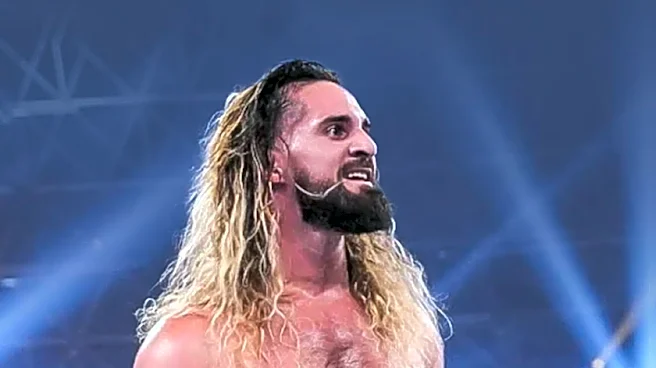
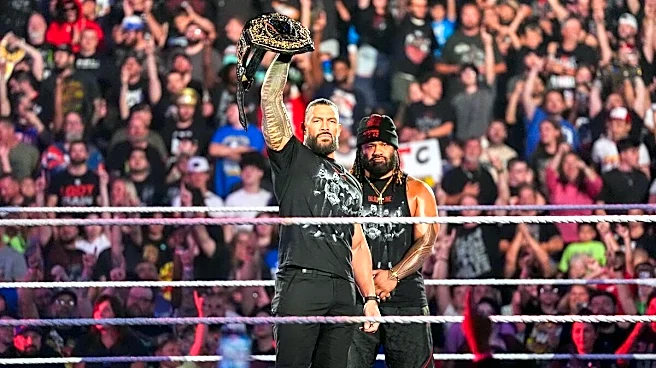
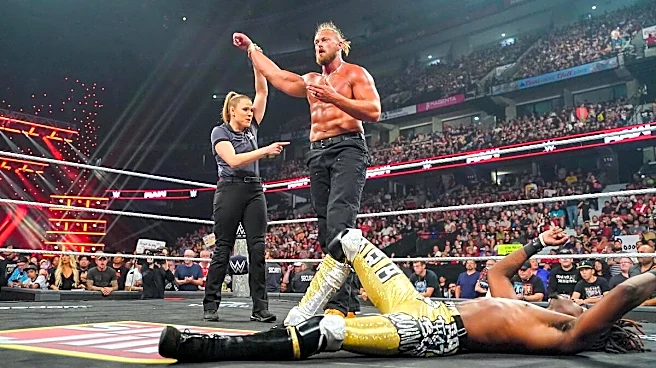
Netflix has censored graphic segments from a recent episode of WWE Raw, specifically blurring blood from the faces of Royce Keys, Bronco Nima, Lucien Price, Jimmy Uso, Jey Uso, and Solo Sikoa, and distorting the camera during a violent scene. This decision
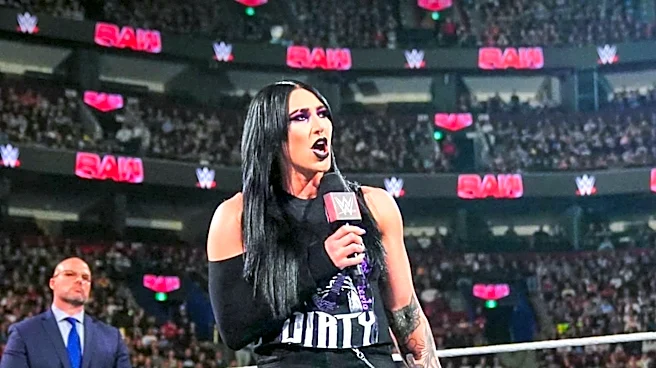
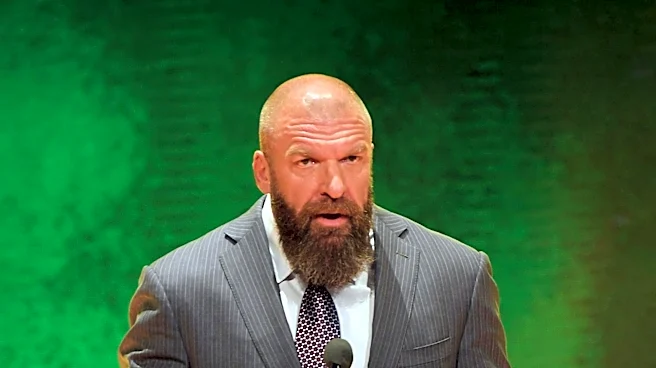
was reportedly made due to content restrictions in several countries where the show is broadcast. In response to Netflix's censorship, WWE Chief Content Officer Paul Levesque, also known as Triple H, posted the unedited version of the graphic content on social media. This is not the first instance of Netflix censoring WWE content; previous edits include blurring blood from Bron Breakker's face, adding a glitching effect to Cody Rhodes' bleeding face, editing out 'holy sh*t' chants, censoring Brock Lesnar's t-shirt, and removing a controversial line from Becky Lynch's promo.
Why It's Important?
This incident highlights the ongoing tension between content creators and streaming platforms regarding creative freedom and global content standards. Netflix's decision to censor graphic content, while driven by international restrictions, impacts the artistic integrity of WWE's programming as intended by its creators. The move by Paul Levesque to release the uncensored version on social media directly challenges Netflix's editorial control and underscores WWE's commitment to its original content. This situation raises questions about the future of content distribution, especially for live or near-live events with a global audience, and how platforms will balance diverse regulatory environments with creator autonomy. For fans, it means a potentially different viewing experience depending on the platform and region, leading to fragmentation of content and potential dissatisfaction.
What's Next?
The ongoing debate between WWE and Netflix regarding content censorship is likely to continue, especially as WWE's programming reaches a global audience through streaming platforms. Netflix may face continued scrutiny from fans and content creators for its censorship policies, particularly given that the platform hosts other movies and TV shows with graphic violence. WWE, under Paul Levesque's leadership, may explore alternative distribution methods or negotiate stricter terms with streaming partners to ensure the integrity of its content. This situation could also prompt other content producers to re-evaluate their agreements with global streaming services, potentially leading to new strategies for managing content across different international regulatory landscapes. The incident may also influence how future WWE content is produced or edited for various platforms.
Beyond the Headlines
The censorship of WWE content by Netflix delves into broader implications concerning media regulation, cultural sensitivities, and the evolving landscape of global entertainment. While Netflix's actions are attributed to restrictions in various countries, it raises questions about the homogenization of content to meet the lowest common denominator of censorship, potentially stifling artistic expression. The wrestling industry, historically known for its theatrical violence and often boundary-pushing narratives, finds itself navigating a new era of digital distribution where content standards are increasingly dictated by platform algorithms and international legal frameworks rather than solely by creative teams. This dynamic could lead to a shift in how professional wrestling, and other forms of entertainment with mature themes, are presented to a global audience, potentially impacting their storytelling and appeal. The incident also highlights the power of social media as a tool for creators to bypass traditional gatekeepers and directly engage with their audience, offering an unfiltered view of their work.