




What's Happening?
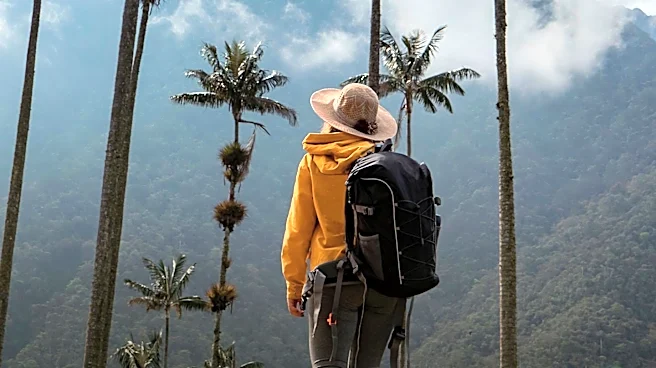
Dominica, often referred to as the 'Untamed Nature Island' of the Caribbean, is advising travelers to come prepared for an active, outdoor experience. Unlike typical Caribbean cruise ports, Dominica's dramatic volcanic terrain means that even short hikes
involve significant elevation changes and uneven footing. The island's trails can be muddy year-round, necessitating sturdy closed-toe shoes or hiking sandals, moisture-wicking clothing, and insect repellent. Visitors are encouraged to pack light but right, including a light rain layer, sunscreen, plenty of water, and personal medications. The destination is not geared towards shopping or beach-centric tourism, but rather offers authentic ecological experiences in its forests, rivers, and wildlife. Travelers are also advised to carry cash for small vendors and to respect the natural environment, as Dominica is committed to becoming the world's first climate-resilient nation.
Why It's Important?
This guidance from Dominica is crucial for managing tourist expectations and ensuring a positive visitor experience, which is vital for the island's tourism industry. By clearly communicating the need for preparation, Dominica can attract travelers who genuinely appreciate its unique natural offerings, rather than those seeking typical resort amenities. This approach helps to preserve the island's ecological integrity by encouraging responsible tourism. For U.S. travelers, understanding these requirements can prevent discomfort or safety issues during their visit. The emphasis on local guides also supports the local economy and provides visitors with deeper cultural and ecological insights. Furthermore, Dominica's commitment to climate resilience sets an example for other nations, highlighting the importance of sustainable tourism practices in the face of global climate change, which can influence broader discussions on environmental policy and travel industry standards.
What's Next?
Dominica will likely continue to promote its unique identity as an 'Untamed Nature Island' to attract a specific niche of eco-tourists and adventure seekers. This strategy may involve further development of its trail systems and eco-lodges, while maintaining strict environmental protection policies. The island's tourism board may also enhance its educational campaigns for visitors, emphasizing the importance of sustainable practices and supporting local communities. There could be increased collaboration with cruise lines and tour operators to ensure that pre-trip information accurately reflects the island's offerings and requirements. Additionally, as Dominica progresses towards its goal of climate resilience, it may become a case study for other small island developing states, potentially attracting international partnerships and investments in sustainable infrastructure and conservation efforts, further solidifying its position as a leader in environmental stewardship.
Beyond the Headlines
The narrative of Dominica as an 'Untamed Nature Island' reflects a broader shift in global tourism towards experiential and sustainable travel. This approach challenges the traditional model of mass tourism, which often prioritizes luxury and convenience over environmental and cultural preservation. Ethically, Dominica's commitment to climate resilience and responsible tourism highlights the moral imperative of protecting natural resources and supporting local communities. Culturally, the island's emphasis on its indigenous Kalinago community and deep ecological knowledge offers visitors a chance for genuine cultural exchange and education, moving beyond superficial tourist interactions. This model of tourism can foster a deeper connection between travelers and the destinations they visit, promoting a sense of global citizenship and responsibility. It also underscores the economic value of natural capital and the importance of integrating environmental protection into national development strategies, offering a blueprint for other nations grappling with the impacts of climate change and the desire for sustainable economic growth.