







What's Happening?
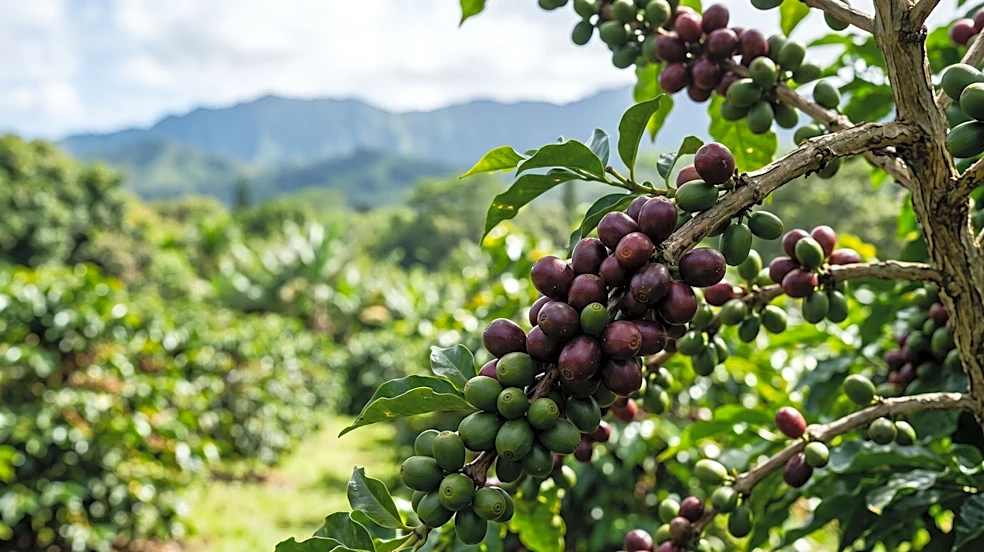
Dole Food Company Hawaii is planning to exit its coffee farming operations located in Waialua, Oahu. This decision is expected to lead to the elimination of approximately nine jobs, effective November 30. A notice issued by Hawaii's labor department indicates
that the farm is currently listed for sale, characterizing the action as a permanent partial closure or divestiture. This move signifies a shift in Dole's agricultural focus within the region, specifically impacting its coffee production segment. The company's broader strategy, as indicated by other sources, includes an expansion into value-added fresh produce and convenience-oriented offerings to align with evolving consumer preferences and enhance growth prospects. However, this particular action focuses on divesting from a specific farming operation.
Why It's Important?
The cessation of Dole Food Company Hawaii's coffee farming operations on Oahu carries significance for the local agricultural sector and the affected workforce. The elimination of nine jobs, while seemingly small, can have a concentrated impact on a specific community or specialized agricultural labor pool. For the Hawaiian agricultural landscape, the sale of the farm and Dole's exit from coffee farming could signal a broader trend of land use changes or shifts in crop priorities. It might also open opportunities for new agricultural ventures or different types of development on the land. From a business perspective, this decision reflects Dole's strategic re-evaluation of its portfolio, prioritizing certain segments like value-added fresh produce over others, potentially due to market dynamics, operational costs, or profitability considerations. This could influence other agricultural companies to assess their own operations and market positioning.
What's Next?
Following Dole Food Company Hawaii's planned exit from coffee farming, the immediate next step involves the sale of the Waialua farm. The outcome of this sale will determine the future use of the land and could introduce new players or agricultural practices to the area. The approximately nine employees affected by the job eliminations will face a transition period, and local labor support services may become relevant. For Dole, this divestiture allows the company to reallocate resources and focus on its stated expansion into value-added fresh produce and convenience-oriented offerings. This strategic pivot suggests potential investments and developments in other areas of its business, aiming to capitalize on changing consumer demands. The broader Hawaiian agricultural community will likely observe the impact of this change on local supply chains and employment.
Beyond the Headlines
Dole Food Company Hawaii's decision to cease coffee farming on Oahu, while a business strategy, touches upon deeper themes of land use, economic diversification, and the evolving nature of agriculture in regions like Hawaii. The listing of the farm for sale raises questions about the long-term vision for agricultural land in areas facing development pressures or changing economic incentives. It highlights the constant tension between traditional farming practices and the demands of a globalized market that favors efficiency and specific product categories. The shift towards value-added products by Dole reflects a broader industry trend where companies seek to capture more profit margin by offering processed or prepared goods, rather than just raw commodities. This could have implications for the types of crops cultivated and the labor required in the future, potentially moving towards more specialized or technologically intensive agriculture.