




What's Happening?
The 2026 Commonwealth Games, recently held in Glasgow, have raised concerns about the event's future viability. Originally scheduled to be hosted by Victoria, Australia, the Games were relocated to Glasgow due to financial constraints. The event was conducted
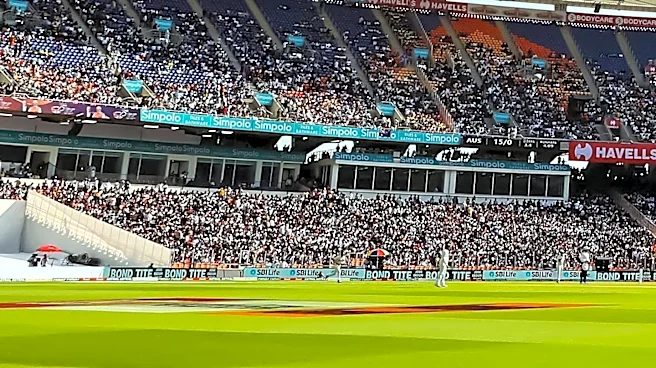
on a reduced scale, featuring only 10 sports, and was delivered on a budget of £160 million, significantly lower than the £780 million spent in Birmingham four years prior. Despite these efforts, the Games struggled with low attendance and a lack of star athletes. Notable absentees included British athletics star Keely Hodgkinson, who prioritized the European Athletic Championships, and Canadian swimmer Summer McIntosh. The event's diminished appeal was evident in the empty seats and subdued atmosphere, contrasting sharply with the vibrant turnout in 2014 when Glasgow last hosted the Games.
Why It's Important?
The Commonwealth Games have historically served as a platform for emerging athletes and smaller nations to gain international recognition. However, the recent decline in participation by top athletes and the financial challenges faced by host cities threaten the event's sustainability. The Games' ability to attract future hosts is uncertain, with potential candidates like New Zealand expressing interest for 2034. The lack of star power and financial viability could lead to a reevaluation of the Games' format and purpose. This situation highlights broader issues in the sporting world, where events must balance tradition with modern economic realities. The outcome of these challenges could impact the future of multi-sport events and their role in the global sports landscape.
What's Next?
Looking ahead, the Commonwealth Games are set to be hosted by Ahmedabad, India, in 2030, with plans to expand the program to include 15 to 17 sports. However, the long-term future of the Games remains uncertain. Organizers must address the financial and logistical challenges that have plagued recent editions. The potential for increased participation from smaller nations and territories could provide a lifeline, but the Games must also find ways to attract top-tier athletes to maintain their relevance. Stakeholders, including Commonwealth Sport CEO Katie Sadleir, remain optimistic about the Games' future, but the path forward will require strategic planning and innovation to ensure the event's continued success.
Beyond the Headlines
The Commonwealth Games' struggles reflect broader trends in international sports, where financial constraints and shifting athlete priorities are reshaping traditional events. The Games' inclusivity, particularly in integrating para-sports, remains a significant strength, offering a unique platform for diverse athletes. However, the challenge lies in balancing this inclusivity with the need to attract high-profile competitors. The Games' future may depend on their ability to adapt to changing dynamics in the sports industry, potentially serving as a model for other multi-sport events facing similar challenges.