
What's Happening?
Senator Ron Wyden (D-OR) is actively involved in discussions with NBA executives and the commissioner to ensure the Portland Trail Blazers remain in Portland. This intervention comes as the Blazers are
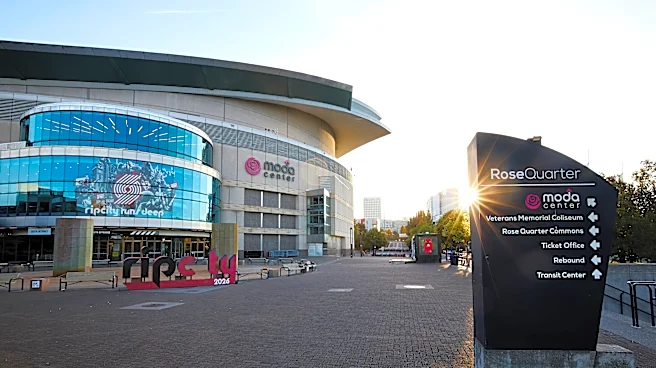
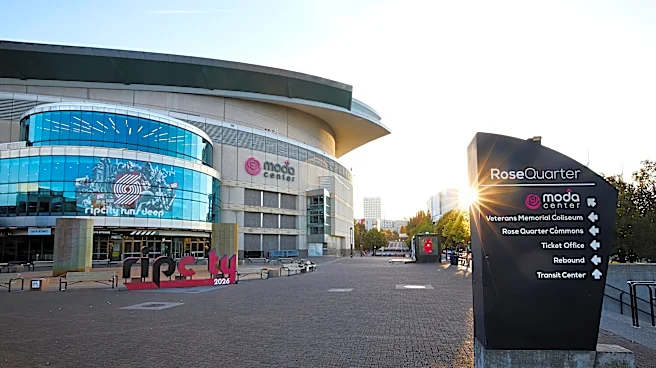
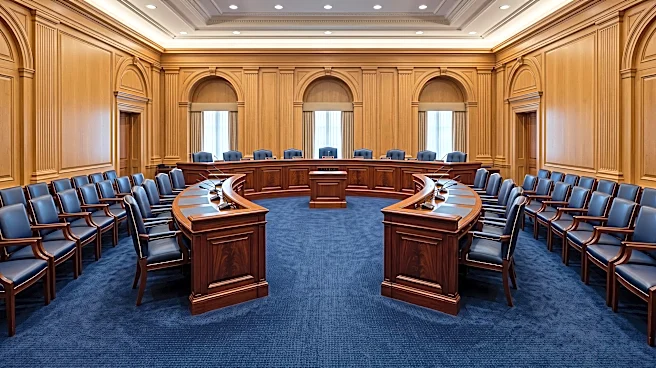
negotiating a new 20-year lease with the City of Portland and considering an arena renovation for the Moda Center. Senator Wyden is engaging with the 29 other NBA owners, emphasizing that a successful resolution for Portland would benefit the entire league, particularly concerning expansion efforts. He highlighted the Blazers' strong local support, evidenced by a 94% season ticket renewal rate and a 32% increase in ticket revenue, as factors that should appeal to other owners. Wyden indicated that he is leveraging his position on the Senate Finance Committee, which has oversight on tax laws and regulatory policies, to help facilitate a positive outcome for all parties involved.
Why It's Important?
The potential relocation of a major sports franchise like the Portland Trail Blazers carries significant economic and cultural implications for the city and the state of Oregon. The team represents a substantial economic driver, supporting local businesses, generating tax revenue, and creating jobs. Its departure would result in a loss of these economic benefits and could negatively impact the city's identity and morale. Senator Wyden's involvement underscores the importance of professional sports teams to their communities and the willingness of political leaders to intervene to protect these assets. His engagement with NBA owners and the commissioner, and his mention of leveraging his role on the Senate Finance Committee, highlights the intersection of sports, business, and politics. This situation could set a precedent for how federal lawmakers engage in local sports franchise negotiations, particularly when public funds or significant community interests are at stake. The outcome will demonstrate the power dynamics between team ownership, city governments, and federal political influence in securing the future of sports franchises.
What's Next?
Negotiations between the Portland Trail Blazers and the City of Portland regarding the arena renovation and a new 20-year lease are ongoing. Senator Wyden's continued engagement with NBA executives and owners will likely play a role in these discussions, aiming to garner league-wide support for keeping the team in Portland. The success of these efforts will depend on finding a mutually beneficial agreement that addresses the team's needs for a modernized arena and the city's financial and community interests. The NBA's Board of Governors, which would need to approve any potential relocation, will be a key decision-maker. The focus will be on how the various stakeholders—the team, the city, and the league—can collaborate to ensure the Blazers' long-term presence in Portland, potentially through a combination of public and private funding for the arena project and favorable lease terms. The outcome will be closely watched by other cities and sports franchises facing similar challenges.
Beyond the Headlines
Beyond the immediate economic and political implications, the effort to keep the Trail Blazers in Portland touches upon the deeper cultural and social fabric of the city. Professional sports teams often serve as significant symbols of civic pride and community identity, fostering a sense of belonging and collective experience among residents. The potential loss of such a team can lead to a profound sense of disappointment and a perceived diminishment of a city's status. Senator Wyden's intervention reflects a recognition of this intangible value, suggesting that the role of a politician extends beyond purely economic or legislative matters to include safeguarding cultural institutions. This situation also highlights the increasing financial demands of professional sports franchises and the pressure they can exert on local governments for public subsidies or infrastructure investments. It raises questions about the balance between private business interests and public welfare, and the extent to which public resources should be allocated to retain or attract sports teams. The resolution of this issue could influence future discussions on public funding for sports facilities and the role of federal officials in local sports economics.