






What's Happening?
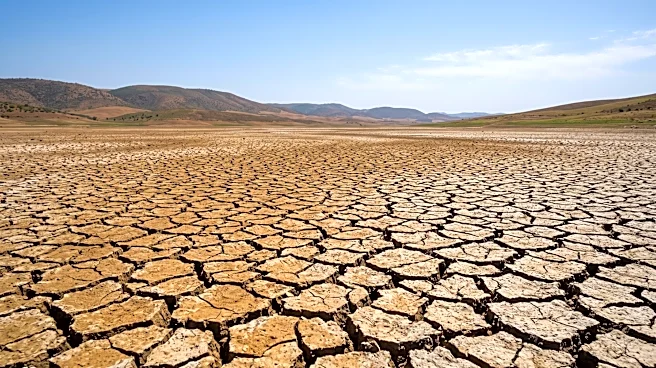
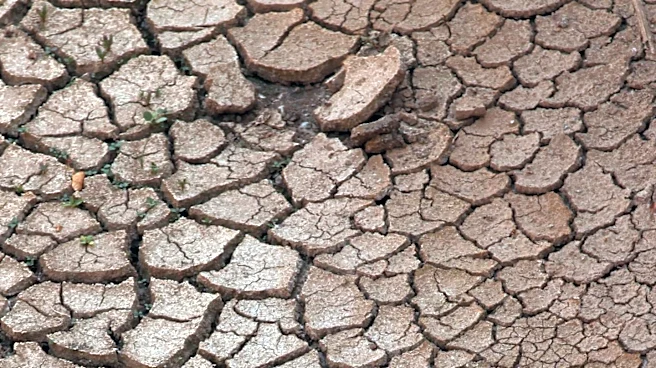
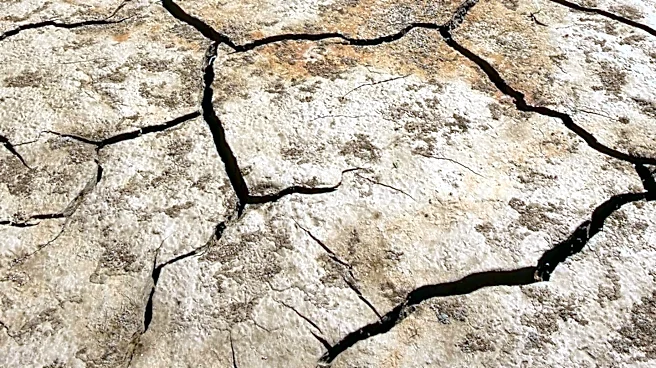
A recent study analyzing over one million firm-year observations in Tunisia has found that droughts, defined as negative precipitation shocks, lead to substantial reductions in business performance. Specifically, total revenues decrease by approximately
12%, and revenues per worker fall by about 11%. The research indicates that large formal firms, non-exporting firms, and domestic firms are disproportionately vulnerable to these drought conditions. Tunisia, located in the Mediterranean region, is identified as one of the most climate-exposed countries, grappling with acute water scarcity. The study utilized about two decades of firm-level records from Tunisia’s formal business registry, linking firm locations to satellite-based precipitation measures at the delegation level, which is the country's second-level administrative unit. These findings are consistent across various sensitivity analyses, underscoring the robustness of the results regarding the economic impact of droughts on Tunisian businesses.
Why It's Important?
This study highlights the critical economic vulnerability of businesses to climate-related events, particularly droughts, in regions facing water scarcity. The significant revenue reductions experienced by Tunisian firms demonstrate a direct link between environmental conditions and economic stability. For the U.S., while the geographical context is different, the findings serve as a cautionary tale regarding the potential economic repercussions of climate change and extreme weather events on domestic industries. Businesses, especially those reliant on natural resources or with complex supply chains, could face similar disruptions. The disproportionate impact on large formal firms and domestic non-exporting firms suggests that certain segments of the economy may be more susceptible, potentially leading to job losses, reduced investment, and broader economic instability. Understanding these vulnerabilities is crucial for developing resilient economic strategies and climate adaptation policies, both domestically and in international trade relationships.
What's Next?
The findings from this study could prompt Tunisian policymakers and businesses to re-evaluate and strengthen their strategies for climate resilience and water management. Potential next steps might include the development of new agricultural practices that are less water-intensive, investment in water infrastructure projects such as desalination plants or improved irrigation systems, and the implementation of financial support mechanisms for businesses affected by droughts. For firms, this could mean diversifying their operations, exploring new markets, or investing in technologies that reduce their reliance on local water resources. Internationally, these results could influence aid and development programs aimed at climate adaptation in vulnerable regions, potentially leading to increased funding and technical assistance for countries like Tunisia. The study also sets a precedent for further research into the specific mechanisms through which droughts impact different types of firms and how these impacts can be mitigated.
Beyond the Headlines
The study's implications extend beyond immediate economic losses, touching upon broader societal and ethical considerations. The disproportionate vulnerability of domestic and non-exporting firms suggests that local economies and communities, which often rely on these businesses for employment and goods, bear a heavier burden during environmental crises. This raises questions about equitable resource distribution and the social safety nets available to those most affected. Furthermore, the long-term shifts triggered by such climate events could include significant demographic changes, as populations might migrate from drought-stricken areas in search of more stable livelihoods. The findings also underscore the urgent need for global cooperation on climate change mitigation and adaptation, as localized environmental issues can have ripple effects on international trade, supply chains, and geopolitical stability. The ethical dimension of climate change, particularly how developed nations can support vulnerable countries in building resilience, becomes increasingly pertinent.