







What's Happening?
A new initiative is underway to reform agricultural water management by repurposing subsidies and implementing strategic water tariffs. The project aims to address the broken economic signals that currently govern water use in agriculture, which is the largest
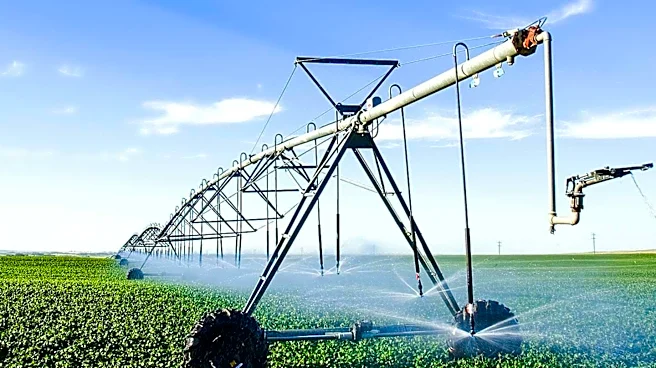
consumer of freshwater globally. By integrating repurposed subsidies and water tariffs, the initiative seeks to drive efficiency, equity, and sustainability in water management. The current system often encourages excessive water use and discourages investments in efficient irrigation practices, leading to overuse and inefficiency.
Why It's Important?
The reform of agricultural water management is crucial for ensuring long-term water security and sustainability. By addressing the economic signals that lead to inefficient water use, the initiative has the potential to transform agricultural practices and promote more sustainable resource management. This is particularly important in the context of increasing water scarcity and the need for sustainable agricultural practices. The implementation of water tariffs and the repurposing of subsidies could incentivize farmers to adopt more efficient irrigation methods, ultimately contributing to better water conservation and management.
What's Next?
The next steps involve building a strategic roadmap for implementing these reforms, which will require collaboration between policymakers, agricultural stakeholders, and water management experts. The initiative will also focus on gathering evidence and data to support the proposed changes and demonstrate their potential impact. As the project progresses, it will be important to monitor the effects of the reforms on water use and agricultural productivity, as well as to address any challenges that may arise during implementation.