






What's Happening?
Monrovia's Garden Design Trends Study for 2027 reveals several key trends shaping U.S. gardening, with a significant focus on 'Edited Edibles.' According to Katie Tamony, chief marketing officer and trend spotter at Monrovia, shoppers are becoming more
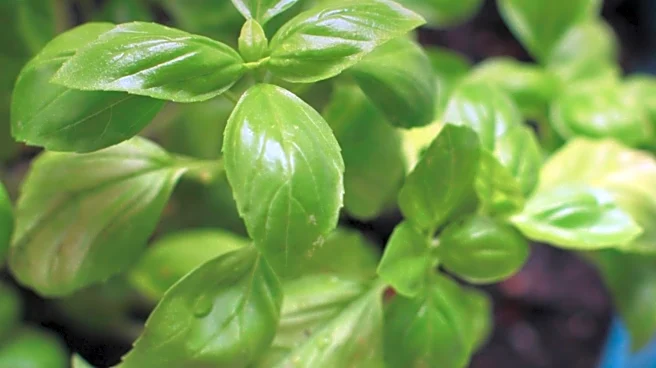
discerning, seeking edible plants that offer both design elements and exotic appeal, rather than common choices. Over 45% of respondents in Monrovia's survey expressed interest in unique edible selections, driving demand for specialty herbs, berries with year-round interest, and 'conversation-starting' plants like pomegranate, figs, kiwi, and olives. Other trends include 'Palm Springs Style' for upscale, wellness-focused outdoor spaces, 'The Gilded Garden' emphasizing classic plants and European-inspired design, 'Gardening for the Wild' focusing on sustainable and pollinator-friendly designs, and 'Moody Botanicals' featuring dark, dramatic plant palettes. The study, backed by consumer research and data analysis, indicates a growing desire for gardens that are both beautiful and productive.
Why It's Important?
These identified trends are crucial for the U.S. horticulture and landscaping industries, as they signal evolving consumer demands and market opportunities. The strong interest in 'Edited Edibles' suggests a shift towards integrating food production with aesthetic garden design, moving beyond purely functional vegetable patches. This could lead to increased sales for nurseries and garden centers offering unique and exotic edible plants. The 'Gardening for the Wild' trend, emphasizing pollinator-friendly and sustainable designs, reflects a growing environmental consciousness among gardeners. This will likely drive demand for native plants, long-blooming cultivars, and trees and shrubs that provide habitat for wildlife, influencing product development and marketing strategies for plant suppliers. The overall emphasis on gardening for mental well-being and creating tranquil outdoor spaces highlights a broader societal need for restorative environments, positioning gardening as a significant lifestyle and wellness activity.
What's Next?
In response to these trends, the horticulture industry is expected to adapt its offerings to meet consumer demand for unique edible plants and sustainable garden solutions. Nurseries and plant breeders will likely focus on introducing new varieties of fruits, vegetables, and herbs that are both visually appealing and productive. There will be a continued emphasis on promoting plants that support pollinators and local ecosystems, with an increase in educational resources for gardeners on how to create 'Gardening for the Wild' designs. Furthermore, the integration of gardening with wellness and outdoor living will likely lead to more innovative garden product designs, such as stylish containers and outdoor entertaining elements. Retailers may also see an increase in demand for premium and collector plants, as gardeners seek to create distinctive and high-end outdoor spaces. The industry will continue to monitor social media and consumer behavior to identify emerging trends and adapt accordingly.
Beyond the Headlines
The convergence of aesthetic appeal, culinary utility, and ecological responsibility in gardening trends points to a deeper cultural movement towards mindful living and self-sufficiency. The desire for 'conversation-starting' edible plants and 'Goth Garden' styles suggests a personalization of outdoor spaces, where gardens become extensions of individual identity and artistic expression. This trend also highlights a growing awareness of the connection between food, health, and the environment, encouraging consumers to take a more active role in their food production. The increasing willingness to pay for premium plants and sustainable options indicates a shift in consumer values, prioritizing quality, origin, and environmental impact. This could foster a more resilient and localized food system, reducing reliance on conventional supply chains and promoting biodiversity in urban and suburban environments. The garden, in this context, transforms from a mere decorative space into a dynamic, multi-functional ecosystem that supports both human well-being and ecological health.