






What's Happening?
Tangram Interiors identifies wellness and privacy pods as significant trends reshaping office design. These pods are part of a broader movement to integrate wellness into the built environment, moving beyond traditional amenities to essential design strategies.
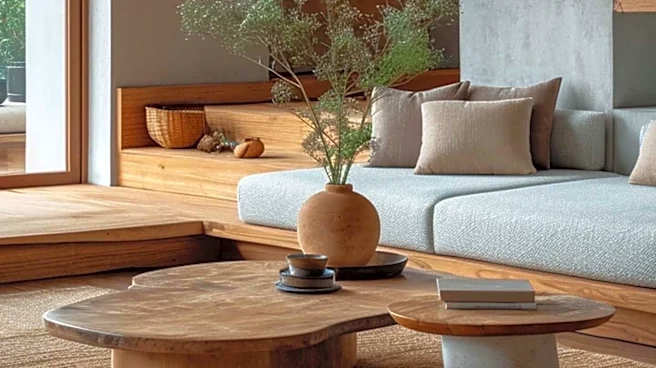
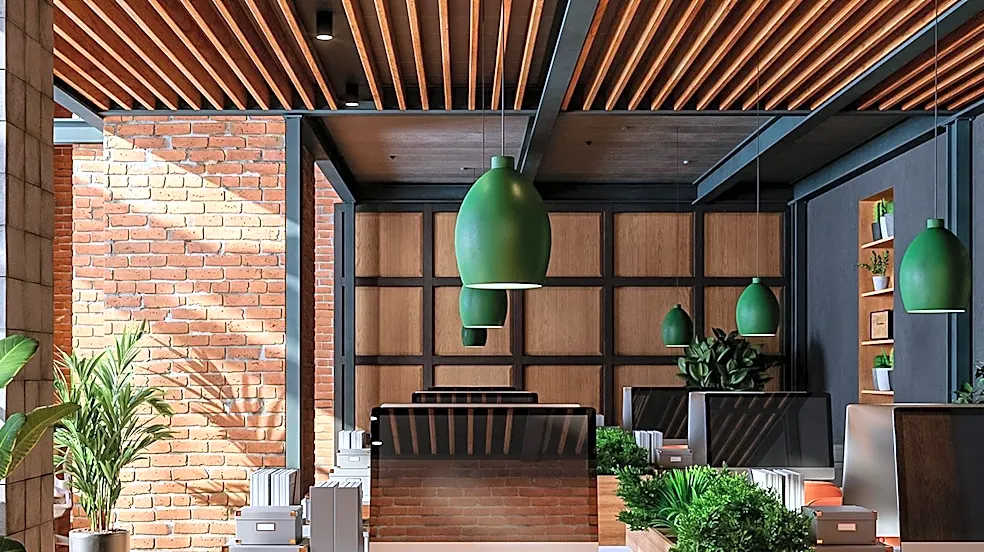
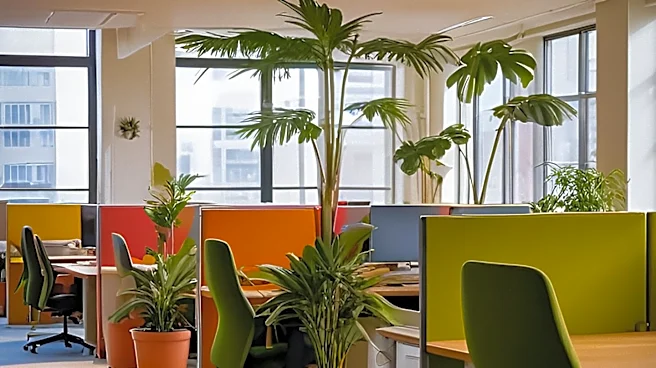
The focus is on creating spaces that support physical comfort, cognitive performance, and restorative moments throughout the workday. Privacy pods, specifically acoustic pods and modular enclosures, are highlighted as solutions that allow for concentration without sacrificing openness or flexibility in the workplace. This trend also includes richer color palettes, tactile finishes, and biophilic design elements that draw inspiration from nature, aiming to create more expressive, inviting, and sensory-rich office environments. The goal is to make wellness an inherent part of every layer of office design, rather than being confined to dedicated rooms.
Why It's Important?
This shift in office design, as observed by Tangram Interiors, has significant implications for U.S. businesses and their employees. By integrating wellness and privacy features directly into the workplace, companies can address critical issues such as employee stress, burnout, and the need for focused work in open-plan offices. This can lead to improved employee satisfaction, retention, and overall productivity. The emphasis on neuroinclusion and healthier lighting also suggests a move towards more inclusive and supportive work environments, benefiting a wider range of employees. For the commercial real estate and interior design industries, these trends signal a demand for innovative, human-centric solutions that prioritize well-being, potentially driving new product development and design approaches. Businesses that adopt these trends may gain a competitive edge in attracting and retaining talent in a competitive labor market.
What's Next?
The trends identified by Tangram Interiors suggest a continued evolution in workplace design, with an increasing focus on employee well-being and adaptable spaces. We can expect to see more widespread adoption of privacy and wellness pods, as well as further integration of biophilic design and ergonomic solutions in U.S. offices. Manufacturers will likely continue to innovate in areas such as acoustic materials, modular furniture, and smart lighting systems that adapt to circadian rhythms. The concept of 'wellness being built in' will likely expand to include more advanced technologies for air quality monitoring, personalized climate control, and even AI-driven tools to optimize individual work environments. This will necessitate collaboration between architects, interior designers, and technology providers to create truly holistic and responsive workplaces.
Beyond the Headlines
The integration of wellness and privacy into office design reflects a deeper societal recognition of the importance of mental and physical health in the context of work. This goes beyond simply providing amenities; it's about fundamentally rethinking how physical spaces can support human flourishing. The move towards 'privacy everywhere' in an era of open-plan offices also highlights a growing tension between collaboration and individual focus, suggesting a need for more nuanced design solutions that cater to diverse work styles. This trend could also influence urban planning and architectural standards, with a greater emphasis on creating buildings that promote health and well-being. Ultimately, these design shifts are not just about aesthetics but about fostering more sustainable, productive, and humane work cultures in the U.S.