





What's Happening?
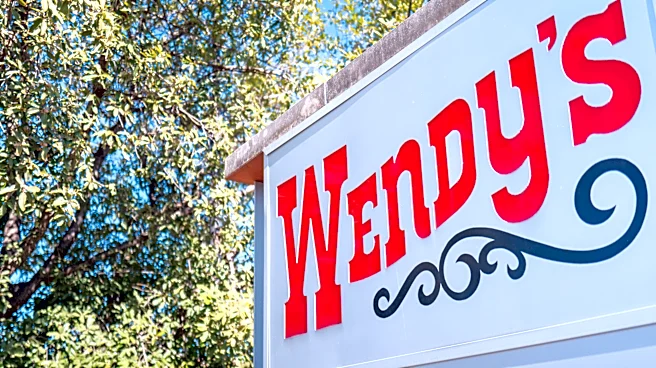
Activist investor Nelson Peltz, founder of Trian Fund Management, has proposed to re-acquire the American fast-food chain Wendy's, aiming to take it private with the support of a major franchisee. This move challenges current CEO Bob Wright, who returned
to Wendy's for his third tenure in May. Peltz's firm offered approximately $1.4 billion for the company, translating to $7.35 per share in cash, representing a nearly 19% premium over the stock's closing price on the Tuesday prior to the announcement. Wendy's confirmed receipt of the unsolicited proposal. Peltz has a long history with Wendy's, having initiated his activist career with the company over two decades ago and previously taking it over. The company's stock saw significant volatility following the news, including a more than 14% increase on the day the offer was made public and a 37% rally over eleven trading days, despite the company rejecting the offer on November 12, 2026.
Why It's Important?
This proposed acquisition highlights a significant corporate battle for control of a major U.S. fast-food brand, Wendy's. The conflict pits two distinct leadership styles against each other: Peltz, known for his aggressive activist approach and public criticism of management, versus Wright, who represents a more reserved, brand-connected continuity, having worked with the chain's founder. The outcome of this struggle could significantly impact Wendy's strategic direction, operational efficiency, and market valuation. If Peltz succeeds in taking Wendy's private, it could lead to substantial changes in how the company is managed, potentially focusing on long-term growth away from public market pressures. Conversely, if Wright and the current management successfully fend off the bid, it would affirm their current strategy, though analysts suggest the company still faces 'considerable work.' The high volatility of Wendy's stock underscores the market's reaction to such high-stakes corporate maneuvers, affecting shareholders and potentially setting a precedent for other activist investor campaigns in the U.S. restaurant industry.
What's Next?
The immediate next steps involve the ongoing resistance from Wendy's management, led by CEO Bob Wright, against Nelson Peltz's takeover bid. Wendy's has already rejected the offer and simultaneously reduced its breakfast menu, indicating a commitment to its current strategy. Observers will be closely watching for any revised offers from Trian Fund Management or further actions from Wendy's management to solidify its position. The situation could escalate into a proxy fight if Peltz decides to pursue his objectives through shareholder votes, given Trian's long-standing stake in Wendy's. The market will also be attentive to any statements or actions from major franchisees, whose support Peltz is reportedly seeking. The outcome will determine whether Wendy's remains a publicly traded company under its current leadership or transitions to private ownership under Peltz's influence, potentially leading to a significant restructuring of the company.
Beyond the Headlines
The battle for Wendy's extends beyond a simple corporate takeover bid; it represents a clash of philosophies regarding corporate governance and value creation in the U.S. fast-food sector. Peltz's activist approach, characterized by public critiques and demands for change, reflects a broader trend where investors actively seek to influence company strategy for perceived underperformance. Wright's resistance, rooted in a deep historical connection to the brand and its founder, highlights the tension between short-term shareholder value and long-term brand stewardship. This conflict could set a precedent for how established American brands navigate activist investor pressures, particularly in mature industries like fast food. The decision to take a company private, as proposed by Peltz, often implies a belief that greater value can be unlocked away from the quarterly pressures of the public market, allowing for more radical or long-term strategic shifts. The ethical implications of such battles often revolve around the balance of power between management, who are stewards of the company, and activist investors, who represent significant capital interests.