




What's Happening?
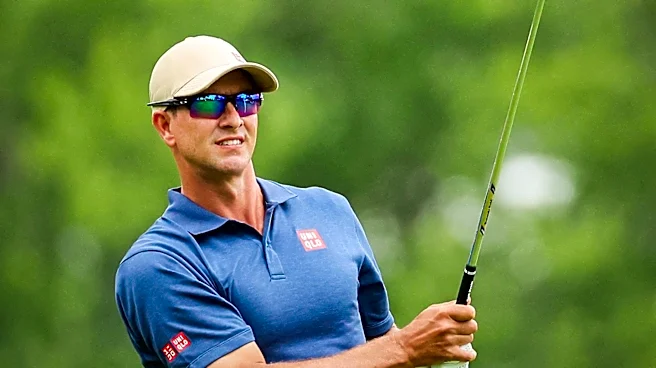
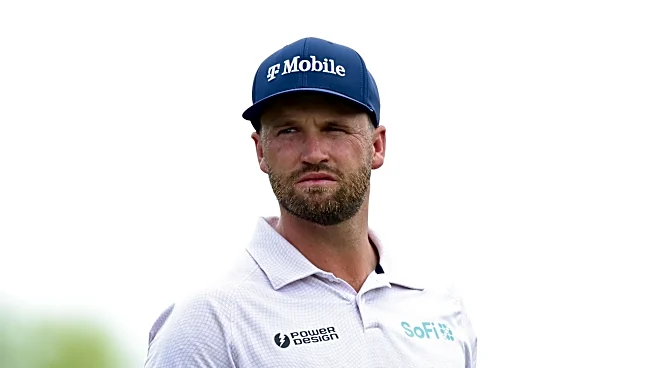
Golfer Wyndham Clark shared an anecdote on the Wake Up Barstool Podcast about a young fan's interaction with Adam Scott. According to Clark, Scott was introduced to a friend's son as 'one of the best golfers to ever play.' The child's immediate response
was to ask Scott if he could beat Grant Horvat, a prominent YouTube golf personality. This exchange highlights the growing influence of online golf content creators among younger audiences. Clark, a two-time US Open champion, noted that while he doesn't watch the Internet Invitational, he recognizes the significant impact these internet golfers have on the sport. He expressed support for their contributions, stating that their work 'really helps what the PGA Tour does and just golf in general.' The story underscores a generational shift in how golf is consumed and perceived by new fans, who are increasingly exposed to the sport through digital platforms and short-form content rather than traditional tournament broadcasts.
Why It's Important?
This anecdote is significant because it illustrates the evolving landscape of golf viewership and engagement, particularly among younger demographics. The question posed by the young fan to Adam Scott, a major champion and established PGA Tour professional, reveals that for some, YouTube golf personalities like Grant Horvat hold comparable, if not greater, recognition and appeal than traditional professional golfers. This trend could have substantial implications for the PGA Tour and the broader golf industry. It suggests a potential shift in marketing strategies, sponsorship opportunities, and how professional golf leagues might need to adapt to capture and retain younger audiences. The popularity of YouTube golf indicates a demand for more accessible, often faster-paced, and personality-driven content, which contrasts with the longer format of traditional golf tournaments. This could influence how golf is presented and promoted in the future, potentially leading to more collaborations between professional tours and digital content creators.
What's Next?
The increasing popularity of YouTube golf and its influence on young fans may prompt professional golf organizations, such as the PGA Tour, to further explore and integrate digital content strategies. This could involve more direct collaborations with internet golf personalities, creating more short-form content tailored for platforms like YouTube and TikTok, or even developing new event formats that appeal to a younger, digitally native audience. We might see more professional golfers engaging with online content creation themselves, following the path of players like Bryson DeChambeau who have built significant social media followings. The industry may also invest more in understanding the viewing habits and preferences of younger fans to ensure the long-term growth and relevance of traditional professional golf. This could lead to innovations in broadcast presentation, fan engagement initiatives, and grassroots programs designed to bridge the gap between traditional golf and the digital golf community.
Beyond the Headlines
The phenomenon highlighted by Clark's story points to a broader cultural shift in how sports and entertainment are consumed. The rise of internet personalities in golf, much like in other fields, challenges traditional gatekeepers and established hierarchies. It suggests that authenticity, relatability, and direct engagement, often found in online content, can sometimes resonate more strongly with younger audiences than the polished, more formal presentation of traditional media. This could lead to a re-evaluation of what constitutes 'professionalism' and 'stardom' in sports. Furthermore, it raises questions about the long-term impact on player development and the pathway to professional golf. If young aspiring golfers are increasingly inspired by YouTube stars, it might influence their training methods, their approach to the game, and even their career aspirations, potentially leading to a more diverse and less conventional talent pool in the future.