




What's Happening?
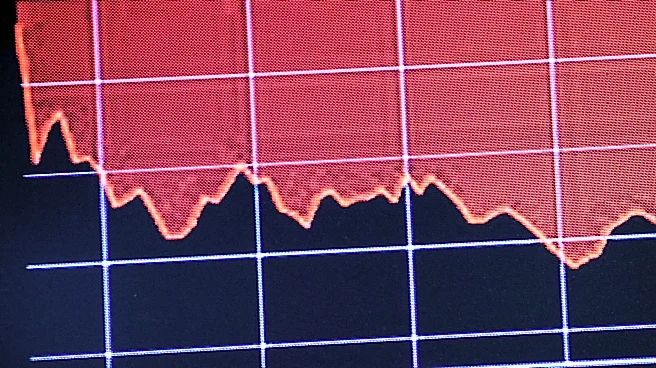
Intel Corporation (NASDAQ: INTC), a leading semiconductor designer and manufacturer, experienced a significant stock decline of approximately 41% over the past 30 days, falling from $86.96 on October 23 to $51.28 by November 20. This sharp drop was primarily
triggered by the company's third-quarter earnings release on October 29, which, despite beating bottom-line estimates with $16.5 billion in revenue and $0.52 non-GAAP EPS, provided a cautious fourth-quarter outlook. Intel projected Q4 revenue between $15 billion and $16 billion and non-GAAP EPS of $0.25, both below market expectations. The guidance also factored in a $300 million revenue impact from an incident at its Israel facility. Management indicated continued softness in PC demand, forecasting a 12% decline in the PC unit market for 2026, and stated that positive free cash flow is not anticipated in 2027. This outlook led to analyst downgrades, a reduction in Nvidia's Intel stake, and a shareholder class-action lawsuit.
Why It's Important?
The substantial decline in Intel's stock price and its cautious outlook have significant implications for the U.S. technology sector and broader economic sentiment. As a major player in semiconductor manufacturing, Intel's performance often serves as an indicator for the health of the tech industry. The projected softness in PC demand and the lack of anticipated positive free cash flow in 2027 suggest potential headwinds for the personal computing market, affecting manufacturers, retailers, and consumers. Furthermore, the growing questions around AI capital spending by major cloud providers, as highlighted by Intel's situation, could signal a re-evaluation of investment priorities within the AI infrastructure space. The shareholder class-action lawsuit also underscores increasing scrutiny on corporate disclosures, potentially influencing how other companies communicate market challenges. This situation could lead to a more conservative investment climate in the semiconductor and related tech sectors, impacting job growth and innovation.
What's Next?
Investors will closely monitor Intel's fourth-quarter results, expected in January 2027, to assess if revenue and margins align with the guided ranges. Key areas of focus will include the trajectory of PC unit demand, progress on the Intel 18A node, and the securing of new foundry customer wins. The recovery status of the Israel facility will also be a critical factor. Broader market influences, such as memory pricing trends and the pace of AI infrastructure spending by hyperscalers, will continue to shape sentiment around Intel and the semiconductor industry. The outcome of the shareholder litigation will also be a significant event to watch, as it could set precedents for corporate accountability regarding market disclosures. These developments will likely influence future analyst ratings and investor confidence in Intel's strategic direction and financial stability.
Beyond the Headlines
Intel's recent challenges extend beyond immediate financial performance, touching upon deeper shifts within the global technology landscape. The company's emphasis on strengthening its foundry operations and tapping into AI-related infrastructure demand reflects a strategic pivot towards becoming a more integrated device manufacturer, a move critical for U.S. domestic chip production efforts. However, the current market pressures, including higher memory prices and concerns over AI capital spending, highlight the inherent volatility and intense competition in the semiconductor industry. The incident at the Israel facility also underscores the geopolitical and operational risks associated with global manufacturing. This period of adjustment for Intel could accelerate broader industry trends, such as increased diversification of supply chains and a renewed focus on cost efficiencies, potentially reshaping the competitive dynamics among semiconductor giants and influencing future government policies aimed at bolstering domestic chip manufacturing capabilities.