



What's Happening?
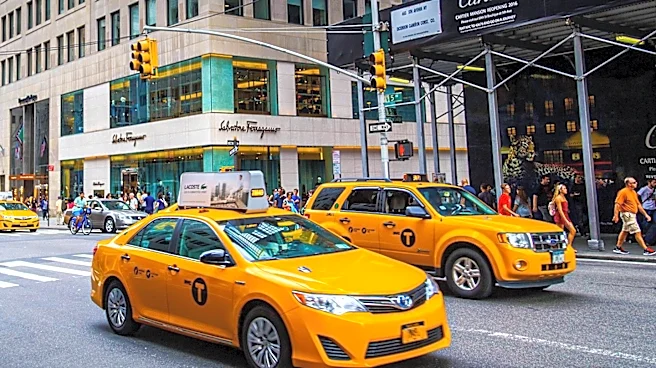
Travel And Tour World (TTW) has released its list of the Top 30 Shopping Destinations in the Americas and Caribbean for 2026, with New York City securing the number one spot. The ranking highlights cities and island capitals where retail experiences significantly
enhance the visitor's cultural encounter. Following New York City are Toronto, São Paulo, Mexico City, and Buenos Aires in the top five. Other U.S. cities making the top ten include Los Angeles (6th), Miami (7th), Chicago (8th), and Las Vegas (9th). The assessment by TTW considers how shopping connects visitors with fashion, craftsmanship, local products, neighborhood culture, and destination identity, rather than solely focusing on retail sales or luxury store concentration. The report emphasizes that shopping in these destinations is viewed as a cultural encounter, allowing travelers to discover the creativity, craftsmanship, and unique identity of the places they explore. The ranking also includes various Caribbean destinations, recognizing their distinct retail offerings.
Why It's Important?
This ranking is significant for the U.S. tourism and retail sectors, as it reinforces the country's position as a premier global shopping destination. New York City's top ranking, along with the strong presence of other major U.S. cities in the top ten, can attract more international and domestic tourists seeking high-quality retail experiences. This influx of visitors can boost local economies through increased spending on goods, hospitality, and related services. For businesses, particularly those in retail, fashion, and tourism, this recognition can serve as a marketing tool, drawing attention to their offerings. The emphasis on shopping as a cultural experience also encourages destinations to further integrate local artistry and unique products into their retail landscapes, potentially fostering growth for small businesses and artisans. The report's methodology, which looks beyond mere sales figures, suggests a growing trend towards experiential retail, prompting cities to innovate in how they present their shopping environments.
What's Next?
The recognition from Travel And Tour World is likely to influence marketing strategies for tourism boards and retail associations in the highlighted U.S. cities. Expect increased promotional campaigns that leverage these rankings to attract visitors, emphasizing the unique shopping experiences each city offers. Destinations may also invest further in developing their retail infrastructure, supporting local designers, and enhancing cultural aspects of shopping to maintain or improve their standing in future rankings. For travelers, these rankings will serve as a guide for planning trips focused on shopping and cultural immersion. The continued focus on experiential retail could lead to more collaborations between retailers, artists, and cultural institutions to create distinctive shopping environments. Additionally, other travel publications and organizations may follow suit, creating their own rankings or expanding on TTW's findings, further solidifying the importance of shopping as a key driver of tourism.
Beyond the Headlines
The TTW ranking underscores a broader shift in how travel and retail intersect, moving beyond simple consumption to a more profound cultural engagement. This trend highlights the evolving expectations of modern travelers who seek authentic experiences that reflect the local identity of a destination. For U.S. cities, this means that maintaining a vibrant retail scene requires more than just luxury brands; it necessitates fostering unique local boutiques, artisan markets, and culturally significant shopping districts. This can lead to a revitalization of local craftsmanship and independent businesses, contributing to the preservation of distinct urban identities against the backdrop of globalization. Furthermore, the emphasis on shopping as a cultural encounter can influence urban planning and development, encouraging cities to design retail spaces that are integrated with historical sites, public art, and community events, thereby enriching the overall visitor experience and fostering a deeper connection between tourists and the local culture.