



What's Happening?
Dallas Cowboys owner and general manager Jerry Jones has voiced his unease regarding the NFL's policy of scheduling international games that result in the Cowboys losing a home game at AT&T Stadium. While supporting the league's broader international expansion
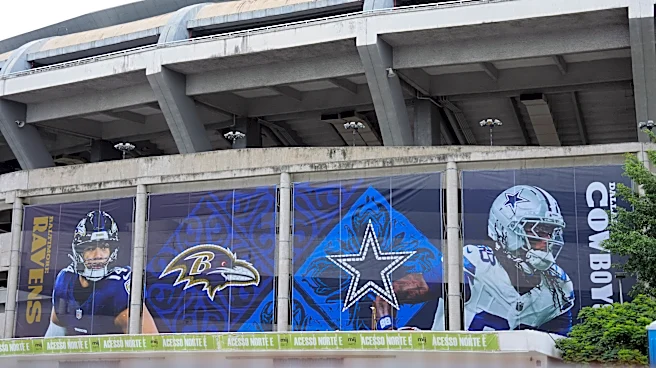
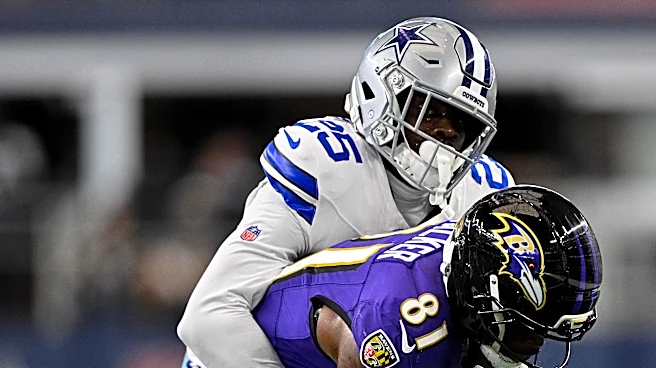
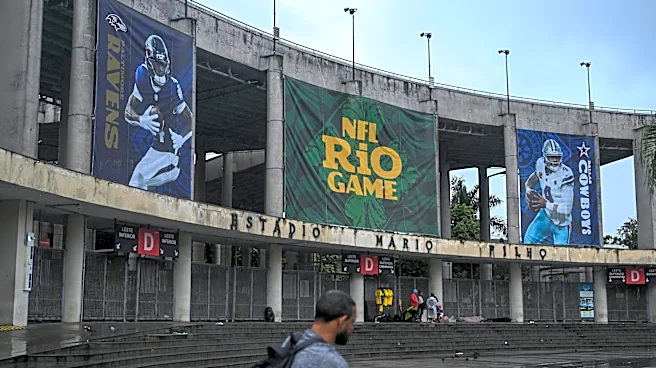
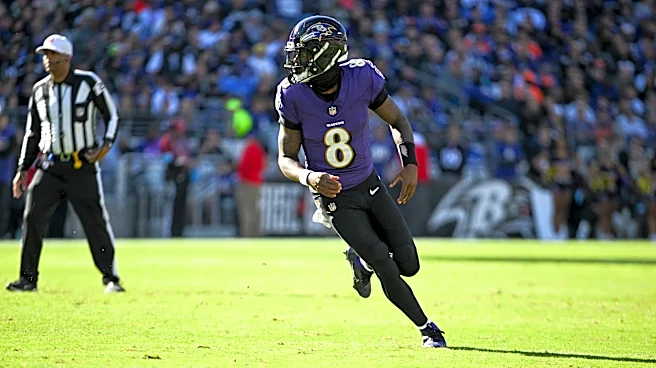
efforts, Jones specifically dislikes the forfeiture of a home game. The Cowboys are set to play the Baltimore Ravens in Rio de Janeiro, Brazil, on September 27, 2026, a game officially designated as a Cowboys home game. This marks the team's first regular-season international game since 2014. Jones acknowledged that playing internationally helps generate global interest and television exposure for the NFL, aligning with the league's strategy to expand its reach. However, he emphasized that losing a home game is a significant drawback for the franchise. The NFL plans to increase international games, with owners approving up to 10 per season beyond 2026, and Commissioner Roger Goodell targeting 16, which could mean every team plays at least one game outside the U.S. annually.
Why It's Important?
Jerry Jones's comments highlight a growing tension between the NFL's global expansion strategy and the interests of individual franchises, particularly regarding home game allocations. For the Dallas Cowboys, a team valued at $15.5 billion, losing a home game means a direct impact on local revenue streams, including ticket sales, concessions, and merchandise, which are crucial for the most valuable sports franchise. While international games boost the NFL's global brand and television viewership, they can dilute the local fan experience and economic benefits for the host city and team. Jones's preference for Mexico as an international venue, due to the Cowboys' established fan base and marketing rights there, underscores the importance of strategic market selection for international games. This situation reflects a broader challenge for U.S. sports leagues balancing global growth with maintaining strong local ties and financial stability for their teams.
What's Next?
The NFL's commitment to international expansion is set to continue, with plans for more games across various continents. This means that teams like the Cowboys will likely face similar situations in the future, potentially leading to ongoing discussions and negotiations between team owners and the league regarding the allocation and impact of international games. While Jones supports the overall international push, his vocal opposition to losing home games suggests that the NFL might need to consider alternative models or compensation structures to mitigate the financial and fan-related impacts on affected teams. Future international game schedules will likely continue to be a point of contention, especially as the league aims for every team to play abroad annually. The success of these international ventures will depend on balancing global market penetration with maintaining the integrity and local economic benefits of the domestic schedule.
Beyond the Headlines
The debate over international home games touches upon the evolving nature of professional sports as a global entertainment product. While the NFL seeks to expand its footprint and tap into new markets, the emotional and economic connection between a team and its local fan base remains paramount. The 'home game' is more than just a venue; it represents a cultural and economic hub for the community. The commercial success of the Dallas Cowboys, partly driven by their strong brand identity and fan loyalty, could be subtly eroded if too many home games are moved. This situation also raises questions about the long-term sustainability of such aggressive international scheduling, particularly if it leads to fan dissatisfaction or financial strain for teams. The NFL's challenge is to globalize without alienating its core domestic audience and the local economies that support its franchises.