

What's Happening?
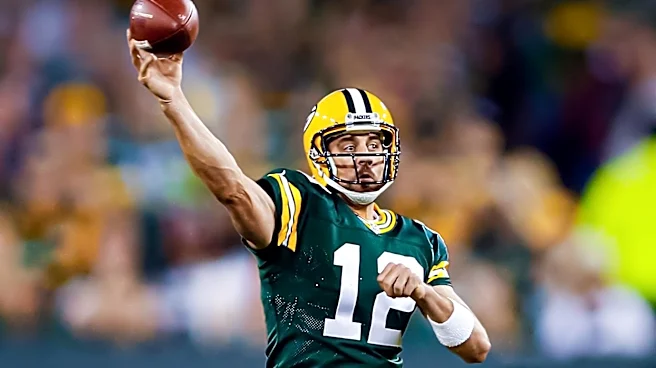
Packers president and CEO Ed Policy has reiterated concerns about the financial limitations faced by the Green Bay Packers compared to other NFL teams. In a recent statement, Policy highlighted the challenges the Packers face due to their unique ownership
structure, which prevents them from selling minority interests to raise significant capital. Unlike other teams that can sell equity without losing control, the Packers' public ownership model restricts such financial maneuvers. Policy emphasized the need for the team to explore alternative revenue generation strategies to remain competitive in the escalating financial landscape of the NFL. He mentioned potential solutions like increasing ticket prices, selling Personal Seat Licenses, or even considering stadium naming rights, which could generate substantial annual revenue.
Why It's Important?
The financial model of the Green Bay Packers is unique in the NFL, as they are the only publicly owned team. This structure, while historically significant, poses challenges in the modern sports economy where capital access is crucial for competitiveness. As the cost of maintaining a championship-caliber team rises, the Packers' inability to tap into traditional capital markets could hinder their long-term financial health. This situation underscores broader issues within the NFL regarding financial equity and sustainability among teams. The Packers' predicament highlights the potential need for structural changes in team ownership models to ensure all teams can compete on a level financial playing field.
What's Next?
The Packers may need to make strategic decisions regarding their revenue generation methods. Exploring options like ticket price adjustments, selling Personal Seat Licenses, or leveraging stadium naming rights could provide immediate financial relief. Additionally, the team might consider more radical changes, such as altering their ownership structure, to align with the financial capabilities of other NFL franchises. These decisions will be crucial in maintaining the team's competitive edge and financial stability in the long term.