








What's Happening?
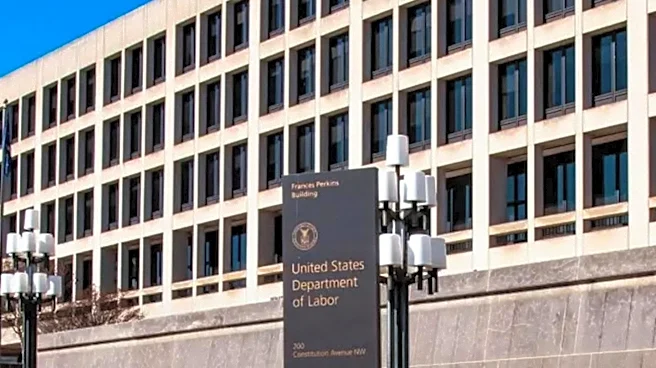
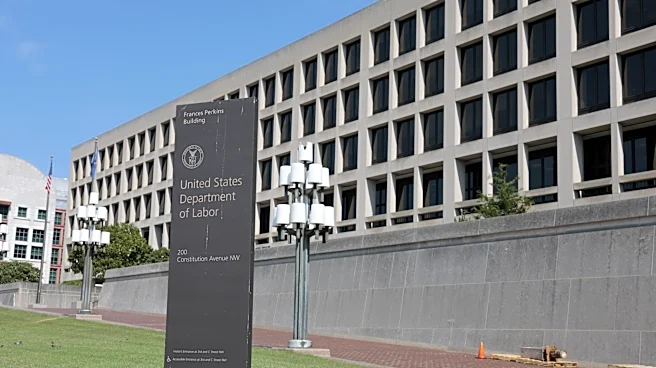
U.S. employers sponsoring foreign workers for H-1B visas must first complete a Labor Condition Application (LCA) with the Department of Labor (DOL) and obtain certification before submitting the H-1B petition to USCIS. This process, governed by 20 CFR
Part 655, requires employers to make several attestations, including paying the higher of the prevailing or actual wage, providing working conditions that do not adversely affect similarly employed workers, and ensuring no strike or lockout is in effect. Employers must also provide notice of the LCA filing to employees or their bargaining representatives. A public access file, containing the certified LCA, wage documentation, and proof of employee notification, must be created within one working day of filing the LCA. This file must be maintained for one year beyond the last date any H-1B worker is employed under the LCA. The LCA itself cannot be submitted more than six months before the employment start date.
Why It's Important?
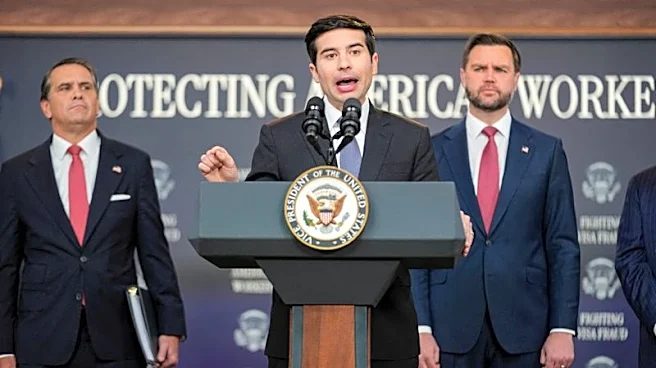
The stringent requirements of the H-1B LCA process are crucial for protecting both U.S. and foreign workers. By mandating that employers attest to paying prevailing wages and providing fair working conditions, the DOL aims to prevent the displacement of U.S. workers and ensure that H-1B visa holders are not exploited. This regulatory framework impacts U.S. industries, particularly the technology sector, which heavily relies on H-1B visas to fill specialized roles. Companies must allocate resources for compliance, including legal fees and administrative efforts, which can influence their hiring strategies and operational costs. For foreign workers, understanding these requirements is vital for a smooth immigration process, as any non-compliance by the employer could jeopardize their visa status. The transparency provided by the public access file also allows for oversight and accountability, benefiting all stakeholders by fostering a more equitable labor market.
What's Next?
After the DOL certifies the LCA, employers receive notification, typically electronically. They must then print and sign the certified Form ETA 9035E (if submitted electronically) and submit a copy to USCIS as part of the Form I-129 petition. This submission reaffirms the employer's commitment to all attestation obligations. Additionally, a signed copy of the certified LCA must be provided to the H-1B worker no later than their start date. Employers should continue to maintain the public access file for the required retention period, which is one year beyond the last date any H-1B worker is employed under the LCA, or until any complaint is resolved. Immigration service providers, such as Gale, offer services to guide employers through these steps, with some offering flat fees for H-1B petitions, including RFE responses, to streamline the process and ensure compliance.
Beyond the Headlines
The detailed H-1B LCA process highlights the complex interplay between immigration policy, labor protections, and economic needs in the U.S. While designed to safeguard domestic labor and prevent wage depression, the administrative burden on employers can be substantial, particularly for first-time sponsors. The emphasis on prevailing wages and working conditions reflects a broader societal concern about fair labor practices and the ethical implications of international labor mobility. The requirement for public access files underscores a commitment to transparency, allowing for public scrutiny of H-1B employment conditions. This regulatory environment shapes the landscape for skilled foreign workers seeking opportunities in the U.S. and influences how U.S. companies compete for global talent, potentially impacting innovation and economic growth. The ongoing evolution of these regulations often sparks debates about balancing economic competitiveness with worker protection.