








What's Happening?
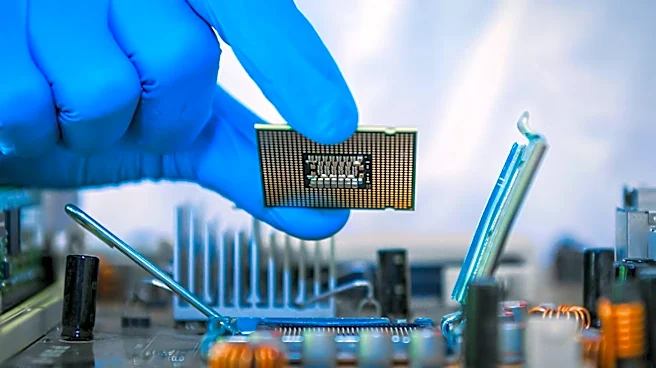
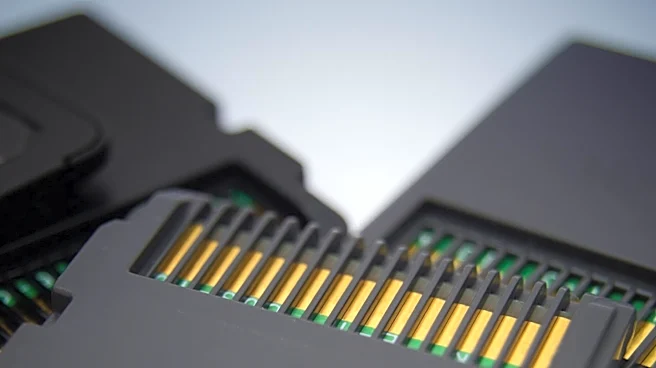
The surge in artificial intelligence (AI) applications has led to a significant shortage of memory chips, affecting major technology companies like Apple and Microsoft. As data centers demand more memory chips, the supply has tightened across the electronics
market. In response, Apple has increased prices on some iPads and Macs, while Microsoft has raised the price of the Xbox Series S by $100. These companies, due to their scale, can pass on the increased costs to consumers, although it may result in delayed upgrades for some buyers. Smaller hardware companies, such as GoPro and Sonos, are facing more severe challenges, with GoPro reporting an 80% to 115% increase in memory costs by the end of the first quarter. Meanwhile, Micron Technology is benefiting from the situation, as rising memory prices enhance its pricing power.
Why It's Important?
The memory chip shortage highlights the broader impact of the AI boom on the technology sector. Large companies like Apple and Microsoft can absorb and pass on increased costs, maintaining their market positions. However, smaller companies may struggle to cope with the rising component costs, potentially leading to reduced competitiveness or financial strain. For consumers, the price hikes could lead to longer product upgrade cycles, affecting sales and market dynamics. Investors are witnessing a divided landscape where established giants can weather the storm, while smaller players face significant hurdles. Micron Technology emerges as a beneficiary, with increased demand and pricing power potentially boosting its financial performance.
What's Next?
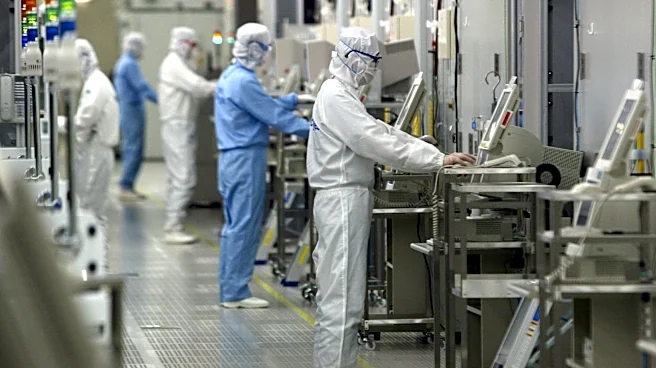
As the demand for AI applications continues to grow, the pressure on memory chip supplies is likely to persist. Companies may need to explore alternative supply chain strategies or technological innovations to mitigate the impact of shortages. The situation could prompt further price adjustments in consumer electronics, influencing purchasing decisions and market trends. Additionally, the ongoing supply constraints may drive increased investment in memory chip production and innovation, potentially reshaping the competitive landscape in the technology sector.