





What's Happening?
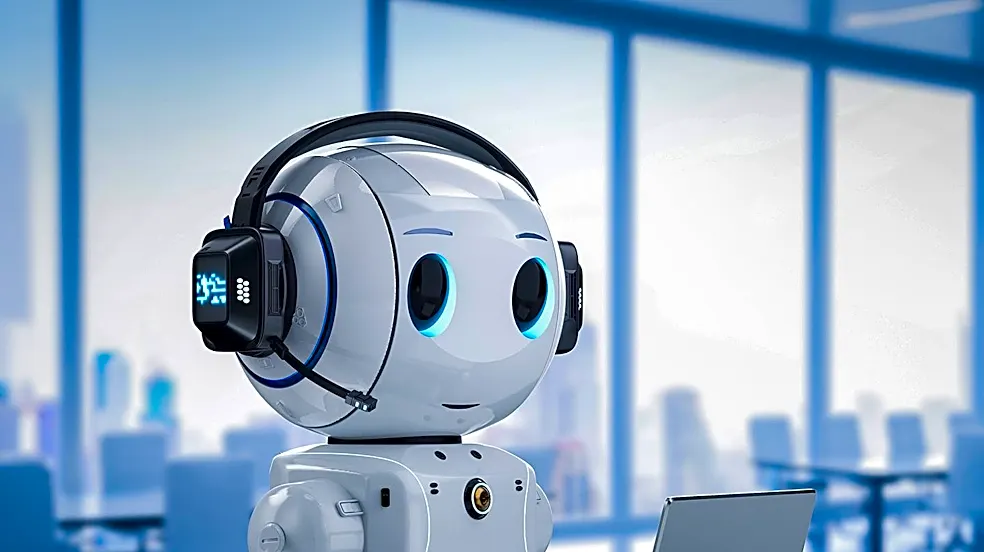
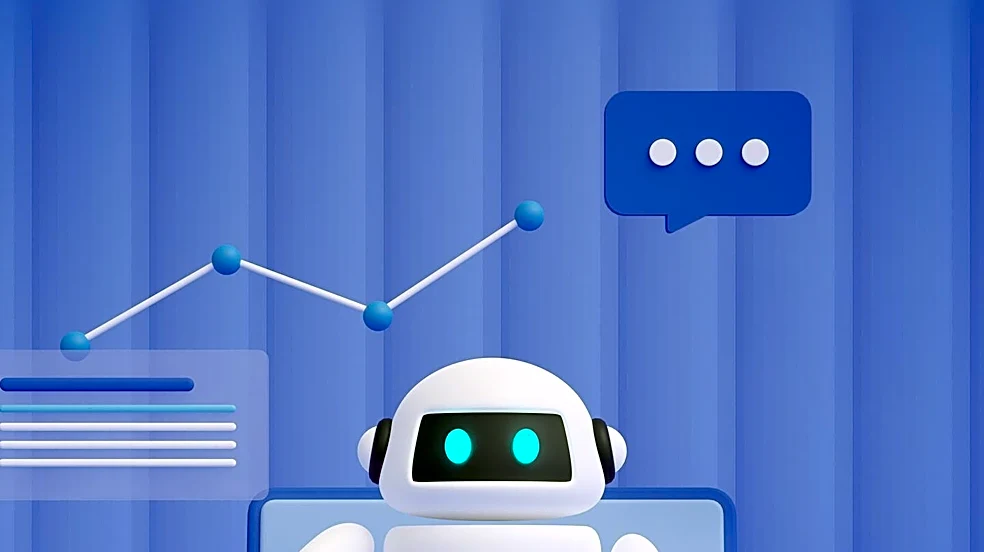
Jira chatbots are conversational assistants designed to integrate with Atlassian's Jira platform, enabling users to interact with Jira using natural language. These chatbots perform three core functions: deflecting common questions to prevent them from
becoming tickets, fetching information such as ticket statuses or knowledge base articles, and acting on Jira issues by creating, updating, or commenting without requiring users to open the interface. Gartner predicts that by 2029, agentic AI will autonomously resolve 80% of common customer service issues. Atlassian offers native chatbot options, including JSM Virtual Agent for service desk requests, Rovo Chat for AI-assisted answers across Atlassian tools, and Rovo Agents for task automation. The JSM Virtual Agent, powered by Atlassian Intelligence, handles straightforward requests and pulls answers from knowledge bases like Confluence. Rovo Chat leverages the Teamwork Graph to provide organization-specific answers, while Rovo Agents are designed for specific actions rather than conversations, such as organizing issues or drafting bug reports.
Why It's Important?
The implementation of Jira chatbots is significant for U.S. businesses and IT departments as it promises to dramatically increase efficiency and reduce operational costs. By automating responses to repetitive inquiries like password resets or status updates, these chatbots free up human agents to focus on more complex issues, thereby improving overall productivity. This shift aligns with broader industry trends towards AI-driven automation in customer service and internal support. Companies stand to gain from faster resolution times, enhanced employee satisfaction due to quicker access to information, and a reduction in the volume of tickets requiring human intervention. For instance, FanDuel reportedly cut tickets requiring human intervention by 85% using a virtual agent. The ability of these chatbots to integrate with existing workflows in platforms like Slack and Microsoft Teams ensures that employees can access Jira functionalities without context-switching, further streamlining development cycles and internal knowledge access. However, the effectiveness of these chatbots is heavily reliant on the quality and accessibility of the underlying knowledge base, meaning organizations must invest in robust documentation.
What's Next?
The adoption of Jira chatbots is expected to continue expanding as more U.S. companies seek to optimize their service desk operations and internal workflows. Future developments will likely focus on enhancing the AI's ability to understand complex queries and perform more sophisticated actions, potentially leading to even higher rates of autonomous issue resolution. Organizations will need to evaluate whether Atlassian's native solutions or third-party tools, which may offer broader knowledge base integrations beyond Confluence, best suit their specific needs. The ongoing evolution of AI and machine learning will enable chatbots to become more intuitive and capable, further blurring the lines between human and automated support. Companies will also need to consider the effort involved in setting up and maintaining these systems, particularly in building intent flows for conversational scripts, to ensure accuracy and effectiveness. The trend suggests a future where AI plays an increasingly central role in managing and resolving a wide array of business tasks.
Beyond the Headlines
The widespread adoption of AI chatbots in enterprise environments, particularly within critical platforms like Jira, raises deeper implications regarding the future of work and human-computer interaction. While these tools offer undeniable benefits in efficiency, they also prompt questions about the evolving skill sets required for IT and customer service professionals. The ethical considerations of AI, such as data privacy and the potential for algorithmic bias, become more pertinent as chatbots handle sensitive information and make decisions. Furthermore, the reliance on AI for internal knowledge dissemination could lead to a reduction in direct human interaction, potentially impacting team cohesion and the organic sharing of tacit knowledge. The long-term shift towards AI-driven automation could redefine job roles, necessitating a focus on tasks that require creativity, critical thinking, and emotional intelligence—areas where human capabilities currently remain superior. The success of these systems will ultimately depend not just on technological prowess but also on thoughtful integration into organizational culture and processes.