








What's Happening?
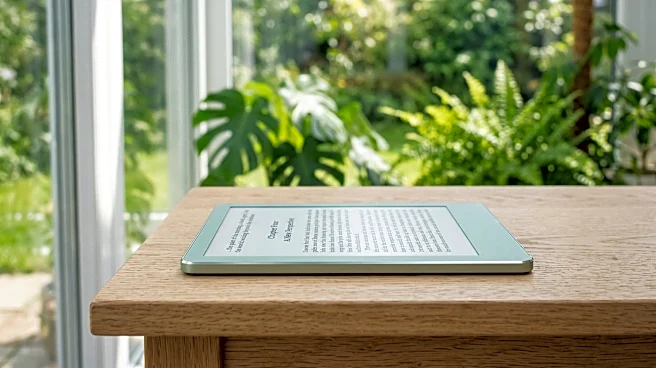
The 2026 Kindle Paperwhite Signature Edition has undergone a significant redesign, moving from a plastic shell to an aluminum back, available in Graphite or Seaglass Green. This material change provides enhanced rigidity and a more sophisticated feel,
with a negligible weight increase. The device is now one millimeter thinner, and the power button has been relocated to the top right for improved ergonomics. The Seaglass Green model features color-matched front bezels. The core reading experience remains consistent with a 7-inch, 300 ppi flush-front display, IPX8 waterproofing, and an auto-adjusting front light that adapts brightness and color temperature to ambient conditions. A notable functional change is the introduction of a four-pin pogo connector on the back, replacing Qi wireless charging, which supports a new ecosystem of first-party accessories, including the Page Turn Cover ($79.99) and a Charging Stand ($59.99). The Kindle Click ($34.99) Bluetooth remote is also available. The Signature Edition retains 32GB of storage and is ad-free.
Why It's Important?
This redesign of the Kindle Paperwhite Signature Edition signifies Amazon's commitment to elevating the premium e-reader experience. For U.S. consumers, the shift to higher-quality materials and the introduction of a dedicated accessory ecosystem could redefine expectations for e-readers, positioning them as luxury devices rather than mere utility gadgets. The enhanced ergonomics and tactile feedback from accessories like the Page Turn Cover address long-standing user requests, potentially attracting a segment of readers who prefer physical buttons and a more traditional reading feel. The increased price point for the Signature Edition and its accessories suggests a strategy to capture a higher-end market, while the standard Paperwhite continues to serve the broader consumer base. This move could also influence other e-reader manufacturers to invest more in design and accessory integration.
What's Next?
The introduction of a proprietary pogo-pin accessory ecosystem suggests Amazon's intention to create a more integrated and controlled user experience for its premium Kindle line. Future Kindle models, particularly the Signature Editions, are likely to expand upon this accessory integration, potentially offering more specialized tools or covers. The success of these new accessories will determine their longevity and influence on future product development. Consumers will need to weigh the added cost of the Signature Edition and its accessories against the benefits of a more premium and ergonomic reading experience. The market response to this luxury e-reader approach will be closely watched by competitors and could set new trends in the e-reader industry.
Beyond the Headlines
The move towards premium materials and a dedicated accessory ecosystem for the Kindle Paperwhite Signature Edition reflects a broader trend in consumer electronics where companies seek to differentiate products through design and exclusive features. This strategy can foster brand loyalty and create new revenue streams through accessory sales. The decision to replace standard Qi wireless charging with a proprietary pogo-pin system, while enabling new accessories, also creates a walled garden effect, potentially limiting consumer choice and interoperability with third-party products. This approach highlights the ongoing tension between open standards and proprietary ecosystems in the tech industry, with implications for consumer freedom and market competition.