



What's Happening?
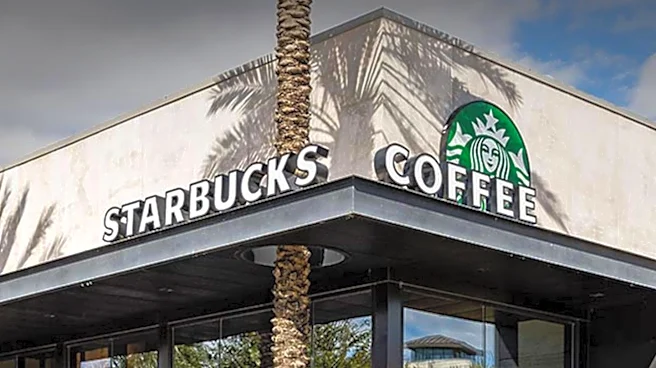
Starbucks has closed its store at 999 Third Ave. in downtown Seattle following the departure of DocuSign from the building. This closure is part of a broader trend of increasing office vacancies in Seattle's central business district, which now stands
at 35.8%. DocuSign's move to a new location with reduced space reflects a shift in office space needs post-pandemic. The closure of the Starbucks store highlights the challenges faced by retail businesses that rely on foot traffic from office workers, as the area continues to experience high vacancy rates.
Why It's Important?
The closure of the Starbucks store is indicative of the broader economic challenges facing downtown Seattle, where office vacancies are at a record high. This trend affects not only large corporations but also small businesses that depend on the presence of office workers. The situation underscores the ongoing impact of remote work and changing business dynamics on urban centers. The economic health of downtown areas is crucial for local economies, and prolonged vacancies could lead to reduced tax revenues and further business closures.
What's Next?
As downtown Seattle grapples with high vacancy rates, city officials and business leaders may need to explore strategies to attract new tenants and revitalize the area. This could involve reimagining office spaces, offering incentives for businesses to return, or diversifying the types of businesses in the area. The situation also calls for a reevaluation of urban planning and economic policies to adapt to the changing landscape of work and commerce.