




What's Happening?
Mortgage applications in the U.S. have decreased significantly due to rising interest rates, driven by increasing oil prices. According to the Mortgage Bankers Association, the Market Composite Index, which measures total mortgage loan application volume,
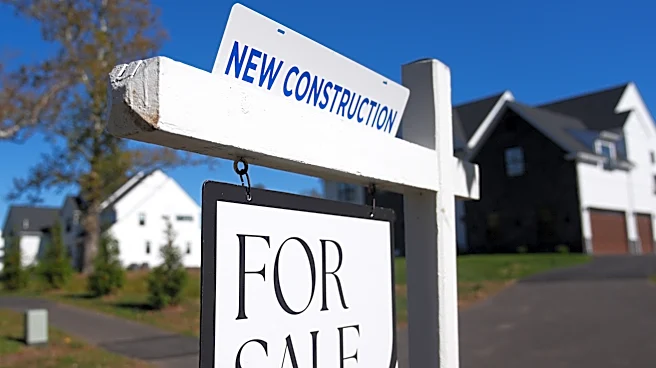
fell by 6.4% for the week ending July 24. The Refinance Index dropped by 10%, while the Purchase Index, an indicator for home sales, decreased by 4%. The average contract interest rate for 30-year fixed-rate mortgages rose to 6.76%, the highest since August 2025. This increase in rates is attributed to the yield of the 10-year Treasury note and escalating tensions in the Middle East affecting oil prices.
Why It's Important?
The decline in mortgage applications highlights the challenges faced by potential homebuyers in the current economic climate. Rising interest rates exacerbate affordability issues, making it more difficult for individuals to purchase homes. This trend could lead to a slowdown in the housing market, affecting real estate sales and related industries. The situation also underscores the impact of global events, such as geopolitical tensions, on domestic economic conditions. As interest rates continue to rise, the housing market may experience further volatility, influencing economic stability and consumer confidence.
What's Next?
If interest rates remain high, the housing market could see prolonged challenges, with fewer buyers able to afford homes. This may lead to increased inventory and potentially lower home prices as sellers adjust to market conditions. The Federal Reserve's future monetary policy decisions will be crucial in determining the trajectory of interest rates and their impact on the housing market. Stakeholders, including real estate professionals and policymakers, will need to monitor these developments closely to adapt strategies and support market stability.