






What's Happening?
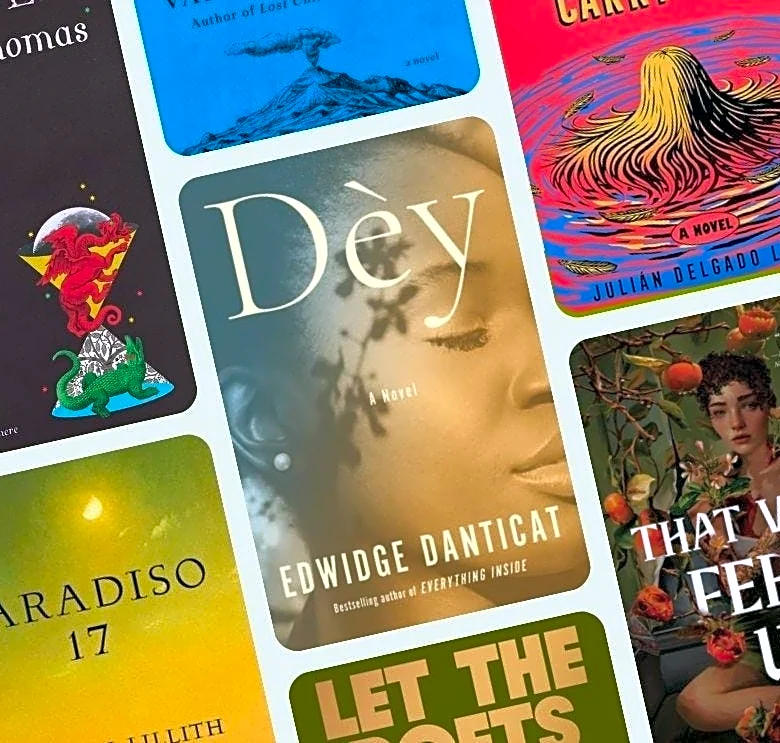
BookTok, the book-related content community on TikTok, has significantly impacted the publishing industry, particularly in Europe. TikTok recently recognized Rebecca Yarros’s 'Fourth Wing' as its first European BookTok Bestseller of the Year. This acknowledgment
follows Media Control's tracking of BookTok-influenced books in Germany, the UK, Spain, Italy, Austria, and Switzerland from January through August. The platform claims that over 50 million BookTok books were sold across Europe in the past year. A TikTok-commissioned Qualtrics survey revealed that 49% of users engaging with book content on the app were prompted to purchase a book or audiobook due to BookTok. The phenomenon has been instrumental in helping readers discover new genres and broaden their reading interests, despite facing some criticism for promoting specific storytelling styles. The success of BookTok highlights the growing influence of social media in shaping consumer behavior within the literary world.
Why It's Important?
The rise of BookTok signifies a major shift in how books are marketed and discovered, impacting the U.S. publishing industry and its economic stakeholders. Publishers and authors now have a powerful, direct-to-consumer channel to reach a vast audience, particularly younger demographics. This platform can democratize book promotion, allowing lesser-known authors or niche genres to gain traction without traditional marketing budgets. The substantial sales figures reported in Europe suggest a similar potential for the U.S. market, where BookTok's influence is also strong. This trend benefits authors, publishers, and booksellers by driving sales and fostering a more engaged reading community. However, it also presents challenges, as publishers must adapt their marketing strategies to align with the organic, trust-based recommendations prevalent on BookTok, rather than relying solely on traditional advertising. The emphasis on genuine reader reactions and community engagement means that authenticity and genre fit are becoming more critical than broad reach or celebrity endorsements.
What's Next?
The continued growth of BookTok is likely to further integrate social media into the core strategies of U.S. publishers and literary agencies. We can expect to see more structured collaborations between publishers and BookTok creators, moving beyond simple book gifting to more formalized partnerships that respect creators' independence while leveraging their influence. Publishers will likely invest more in understanding the nuances of BookTok's algorithms and community dynamics to effectively promote titles. This could include developing specific content strategies for different social media platforms, as a BookTok video might focus on a trope, while a Bookstagram post could feature comparable titles, and BookTube might support longer considerations. The industry will also need to address the ethical considerations of influencer marketing, ensuring transparency regarding sponsored content and maintaining the credibility that makes BookTok recommendations so impactful. The success of 'Fourth Wing' may encourage more publishers to actively seek out and promote titles that resonate with the BookTok community.
Beyond the Headlines
Beyond its immediate commercial impact, BookTok is fostering a cultural shift in reading and literary engagement. It has made reading a more visible and communal activity, particularly among younger generations, challenging the perception of reading as a solitary pursuit. The platform's emphasis on reader reactions and discussions creates a dynamic environment where books are not just consumed but actively debated and celebrated. This phenomenon also highlights the evolving role of 'intellectual influencers,' who gain credibility through their genuine engagement with ideas and literature, rather than through aspirational lifestyle content. This shift could lead to a broader appreciation for intellectual content across social media, potentially influencing other cultural sectors. The success of BookTok also underscores the power of user-generated content and community-driven trends in shaping cultural landscapes, demonstrating that authentic recommendations can often outweigh traditional marketing efforts in today's digital age.