



What's Happening?
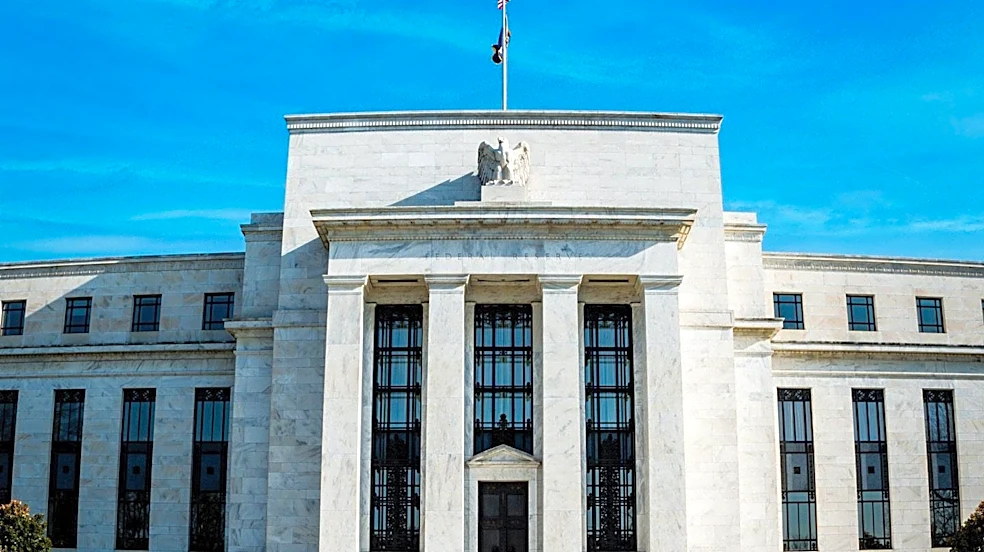
The Federal Reserve's decisions on interest rates significantly influence the financial landscape for American consumers. When the Fed adjusts its rates, it directly affects the interest rates on credit cards, car loans, and mortgages, as well as the returns
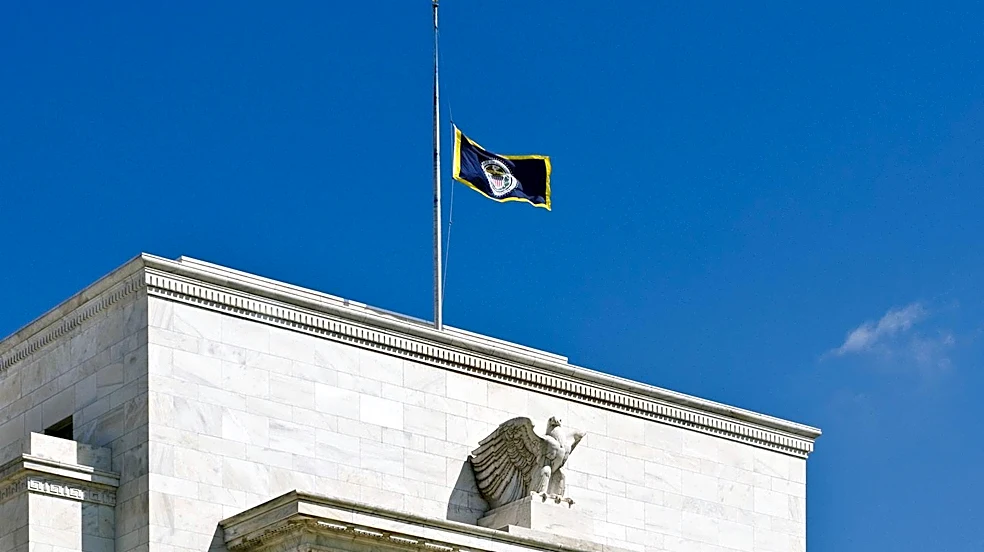
on savings accounts. The Federal Reserve, established by Congress in 1913, operates as the central bank of the United States with a dual mandate: to promote maximum employment and maintain stable prices, targeting a long-term inflation rate of 2% as measured by the Personal Consumption Expenditures (PCE) index. The Federal Open Market Committee (FOMC), comprising 12 voting members, is responsible for setting the target range for the federal funds rate. This rate, which banks charge each other for overnight loans, acts as a foundational rate that influences broader borrowing costs across the economy. Changes in the federal funds rate typically translate to changes in prime rates, affecting variable-rate credit cards within one to two billing cycles. Similarly, higher Fed rates generally lead to increased yields on savings accounts and certificates of deposit, while cuts result in lower yields. Auto loan rates also tend to follow the Fed's direction, though individual credit scores remain a significant factor. Fixed mortgage rates are indirectly influenced, tracking longer-term borrowing costs like the 10-year Treasury yield, which reflects market expectations of future Fed actions and inflation.
Why It's Important?
The Federal Reserve's interest rate decisions are crucial because they directly impact the financial well-being of millions of Americans and the overall U.S. economy. When the Fed raises rates, it aims to slow down economic activity and curb inflation, which can make borrowing more expensive for consumers and businesses. This can lead to reduced spending and investment, potentially cooling an overheated economy but also risking slower job growth. Conversely, when the Fed cuts rates, it seeks to stimulate borrowing and spending, encouraging economic expansion and employment, particularly during periods of economic weakness or rising unemployment. For individuals, these changes mean direct adjustments to their monthly budgets; higher rates increase the cost of debt, while lower rates can free up disposable income. Businesses face altered borrowing costs for expansion, inventory, and operations, influencing their hiring and investment decisions. The Fed's actions are a primary tool for managing economic cycles, attempting to balance price stability with full employment, making its announcements closely watched by Wall Street and Main Street alike.
What's Next?
The Federal Reserve's future actions will continue to be a focal point for financial markets and consumers. The FOMC holds eight regularly scheduled meetings annually, each concluding with a public statement detailing its decisions and outlook. Four times a year, the Fed also releases its Summary of Economic Projections, which includes the 'dot plot' indicating where each official expects interest rates to go. These projections provide critical insights into the Fed's anticipated monetary policy trajectory. Market participants and consumers will closely monitor these announcements for signals regarding potential rate hikes or cuts, which will dictate future borrowing costs and savings returns. The Fed's decisions will be heavily influenced by incoming economic data, particularly inflation figures and employment reports. Should inflation remain elevated above the 2% target, further rate hikes could be considered. Conversely, signs of significant economic weakening or rising unemployment might prompt discussions about rate cuts. The Fed's communication, including the Chair's press conferences, will be key in shaping market expectations and guiding economic behavior.
Beyond the Headlines
Beyond the immediate impact on borrowing and saving, the Federal Reserve's interest rate policies have deeper implications for wealth distribution and economic inequality in the U.S. Higher interest rates can disproportionately affect lower-income households and those with higher debt burdens, as their cost of living increases without a corresponding rise in income. Conversely, savers, often those with more accumulated wealth, may benefit from higher returns on their deposits. The Fed's use of quantitative easing (buying Treasury bonds and mortgage-backed securities) and quantitative tightening (letting those holdings shrink) also influences long-term interest rates and the availability of credit, impacting asset prices and investment flows. These tools, while aimed at broader economic stability, can create ripple effects across different sectors and demographic groups. The Fed's ongoing challenge is to navigate these complex dynamics, balancing its dual mandate with the broader societal impacts of its monetary policy decisions, often leading to debates about the equity and effectiveness of its interventions in a diverse economy.