






What's Happening?
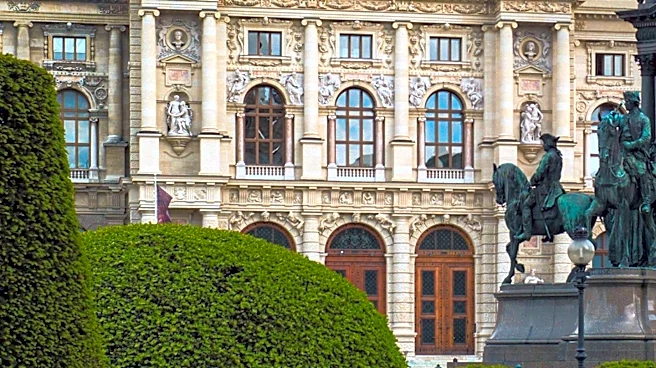
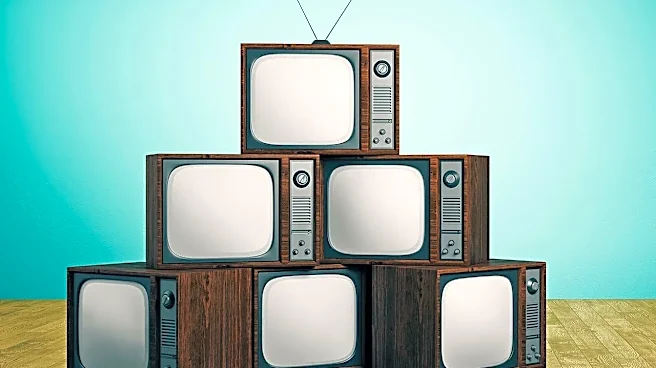
Samsung Electronics has announced a significant expansion of its exclusive TV art subscription service, the Samsung Art Store, by adding 43 iconic artworks from Austria’s Kunsthistorisches Museum Vienna. This collaboration allows users to view masterpieces
in high definition from their homes, leveraging Samsung's proprietary anti-reflection display technology. The newly added collection includes renowned works such as Pieter Bruegel the Elder’s “The Tower of Babel,” Johannes Vermeer’s “The Art of Painting,” and Gustav Klimt’s “Nuda Veritas.” Other notable artists featured are Canaletto, Bernardo Bellotto, Giuseppe Arcimboldo, Rubens, Velázquez, Caravaggio, Titian, Rembrandt, and Raphael. This initiative follows previous successful partnerships with the Louvre Museum in Paris and the Prado Museum in Madrid, further solidifying Samsung's commitment to bringing world-class art to a global audience. The anti-reflection technology ensures that the artworks can be enjoyed with clear, vivid images, free from glare, even in brightly lit environments.
Why It's Important?
This expansion by Samsung Art Store is important as it democratizes access to high-culture art, making masterpieces from one of Europe's most prestigious museums available to a broader global audience, including in the U.S. By offering these works through a subscription service on smart TVs, Samsung is breaking down traditional barriers of geography and cost that often limit access to such cultural treasures. This initiative enhances the value proposition of smart televisions, transforming them into educational and cultural portals. For the art world, it represents a new avenue for engagement and revenue, potentially inspiring more in-person museum visits, as noted by Dr. Jonathan Fine, Director General of the Kunsthistorisches Museum Vienna Group. The use of advanced display technology also ensures a high-quality viewing experience, preserving the integrity and impact of the original artworks. This trend could influence how other cultural institutions and technology companies collaborate to deliver content, fostering a more integrated experience between technology and the arts.
What's Next?
Following this expansion, Samsung is likely to continue pursuing partnerships with other leading global art museums and cultural institutions to further enrich its Art Store offerings. This strategy will enhance the appeal of Samsung's Art TV lineup, including models like the Samsung OLED SH95, The Frame, The Frame Pro, 3LCD, and Neo QLED. The success of these collaborations could also prompt competitors in the smart TV market to develop similar art-centric services, leading to increased innovation in digital art display technologies and content curation. Furthermore, the Kunsthistorisches Museum Vienna and other participating museums may see an increase in international recognition and potentially a boost in physical visitor numbers, as the digital exposure sparks interest in the original collections. The integration of AI translation services in news reporting about such initiatives suggests a future where cultural content is even more accessible across linguistic barriers.
Beyond the Headlines
The growing trend of digitizing and distributing museum collections through platforms like the Samsung Art Store has deeper implications for the preservation and interpretation of cultural heritage. It raises questions about the evolving role of museums in the digital age, moving beyond physical spaces to become global digital custodians of art. This digital accessibility could also influence art education, providing students and enthusiasts with unprecedented access to high-resolution images of historical artworks for study and appreciation. However, it also brings challenges related to digital rights management, authenticity, and the potential for digital fatigue. The anti-reflection technology, while enhancing viewing, also highlights the ongoing effort to bridge the gap between the physical experience of art and its digital representation, striving to maintain the emotional and aesthetic impact of the originals. This shift could redefine how art is consumed, valued, and integrated into daily life, making it a more ubiquitous element of modern living.