






What's Happening?
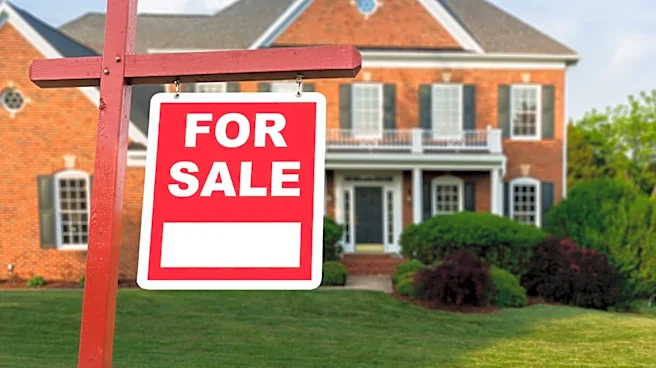
First-time homebuyers in Rochester, Minnesota, are encountering significant challenges in the local housing market, characterized by intense competition and properties selling rapidly. According to Southeast Minnesota Realtors (SEMR), while the average
property spends 41 days on the market, affordably priced homes are often snatched up much quicker. Prospective buyers like Libby Orzel and Chris F. report difficulties securing homes due to immediate offers, often from more experienced buyers or those making cash purchases. SEMR President Megan Hobson notes that first-timers are more likely to compete with individuals on their second or third home rather than large corporations. Eric Brownlow, SEMR Association Executive, stated that over 20% of owner-occupied sales are made with cash, giving these buyers a significant advantage. The median home price in Rochester recently reached $365,000, making down payments and closing costs substantial hurdles for new buyers.
Why It's Important?
The struggle of first-time homebuyers in Rochester highlights broader issues within the U.S. housing market, including affordability crises and the impact of cash buyers. This situation can lead to reduced homeownership rates among younger generations and lower-income individuals, exacerbating wealth inequality. For Rochester, a market where properties are quickly acquired, it can create a less accessible environment for those looking to establish roots in the community. The prevalence of cash offers, whether from individual investors or experienced homeowners, distorts market dynamics, making it difficult for buyers reliant on traditional financing to compete. This trend can also influence local demographics, potentially pushing out residents who cannot afford the escalating prices, impacting the social and economic fabric of the city. The market's intensity also suggests a supply-demand imbalance, where available housing stock, especially at lower price points, is insufficient to meet demand.
What's Next?
The Rochester City Council has requested that the city's housing and development team present data on housing access, including the impact of short-term and long-term rentals, in late September. This initiative suggests that local policymakers are beginning to examine potential interventions or strategies to address the housing challenges. SEMR Realtors anticipate that the Rochester market, which has favored sellers for the past decade, may start to balance out in the next four to five months, primarily due to increased costs, more construction, and rising insurance expenses. However, this potential balance may not significantly alleviate the struggles of first-time buyers, as median prices would need to fall substantially to make homes affordable for those with limited budgets. Prospective buyers like Libby Orzel are already expanding their search to neighboring communities, indicating a potential outward migration of demand.
Beyond the Headlines
The Rochester housing market's dynamics reflect a national trend where housing is increasingly viewed as an investment asset rather than solely a primary residence. This perspective fuels competition, particularly from cash buyers who can close quickly without contingencies. The rise of 'virtual staging' and properties sold without inspection, as noted by buyers, further complicates the process for those seeking traditional home purchases, favoring investors and flippers. The perception that large corporations are solely responsible for market pressures is being nuanced by the reality that affluent individual buyers also contribute significantly to the competitive landscape. This situation raises questions about equitable access to housing and the role of local government in ensuring a balanced market that supports diverse residents. The long-term implications could include a shift in community demographics and increased pressure on rental markets as homeownership becomes less attainable for many.