




What's Happening?
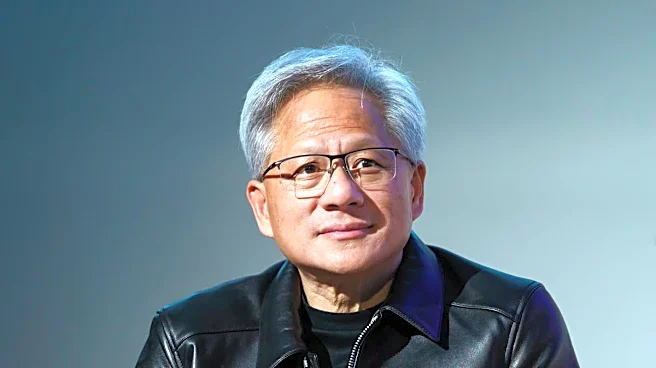
Saber Interactive's Chief Creative Officer, Tim Willits, has stated that the company will not alter its communications strategy despite recent controversy surrounding the use of AI in writing. This decision comes after CEO Matthew Karch made comments
suggesting he would have been willing to replace a writer with AI, leading to widespread public condemnation. Karch has since apologized to Stella Sacco, the writer at the center of the 'Rideshare Stimulator' AI controversy. Willits acknowledged the 'blunt comms' from the studio's leadership but dismissed the backlash as a recurring industry 'dust up,' citing past criticism over 'World War Z' being an Epic exclusive. The studio has, however, added an AI disclaimer to the 'Rideshare Stimulator' Steam page, which was initially missing. Saber Interactive is currently developing multiple games, including 'Turok Origins,' 'Clive Barker's Hellraiser: Revival,' and 'Warhammer 40,000: Space Marine 3.'
Why It's Important?
This situation highlights the growing tension and ethical debates within the creative industries, particularly regarding the integration of artificial intelligence. Saber Interactive's stance, as articulated by its CCO, suggests a firm commitment to its current communication approach, potentially signaling a broader industry trend where companies may prioritize business objectives over public sentiment in the face of AI adoption. The controversy underscores concerns among creative professionals about job security and the perceived devaluation of human talent. The addition of an AI disclaimer, while a step towards transparency, also indicates a reactive measure rather than a proactive shift in strategy. This event could influence how other gaming studios and creative companies approach AI implementation and public relations, potentially leading to more explicit policies or further public discourse on the role of AI in content creation.
What's Next?
Saber Interactive plans to continue its current development pipeline, with games like 'Turok Origins,' 'Clive Barker's Hellraiser: Revival,' and 'Warhammer 40,000: Space Marine 3' in progress. The company's CCO, Tim Willits, encourages players to evaluate their games, including 'Rideshare Stimulator,' upon release, believing that the quality of the games will ultimately speak for itself. The long-term impact of this controversy on Saber Interactive's reputation and sales remains to be seen, as does the broader industry's response to similar AI-related issues. It is possible that increased scrutiny from consumers and industry watchdogs could lead to more standardized guidelines for AI disclosure in game development and other creative fields. The ongoing debate may also prompt further discussions about intellectual property rights and fair compensation for human creators in an increasingly AI-driven landscape.
Beyond the Headlines
The controversy surrounding Saber Interactive and its use of AI touches upon deeper societal and ethical questions about the future of work and creativity. The incident reflects a broader struggle to define the boundaries between human and artificial intelligence in creative endeavors. It raises questions about the perceived value of human artistry versus the efficiency and cost-effectiveness offered by AI. The 'digital ecosystem thrives on outrage and surface-level takes' comment by CEO Matthew Karch suggests a potential disconnect between corporate perspectives and public expectations regarding ethical conduct and transparency. This event could serve as a case study for how companies navigate the complex ethical terrain of AI integration, potentially influencing future regulatory frameworks or industry best practices concerning AI in creative fields. The long-term cultural shift in how audiences perceive AI-generated content and the implications for artistic integrity are also significant considerations.