







What's Happening?
Pavlus Travel & Cruise, a prominent independently owned luxury travel agency in the U.S., has revealed that Antarctica is the most requested 'bucket-list' adventure for 2027 bookings. According to Craig Pavlus, founder and CEO, clients are eager to explore
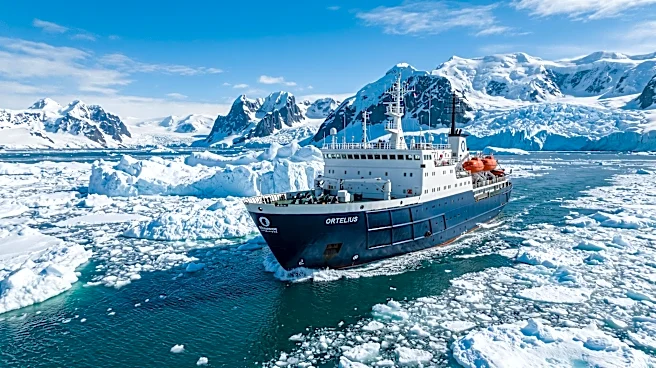
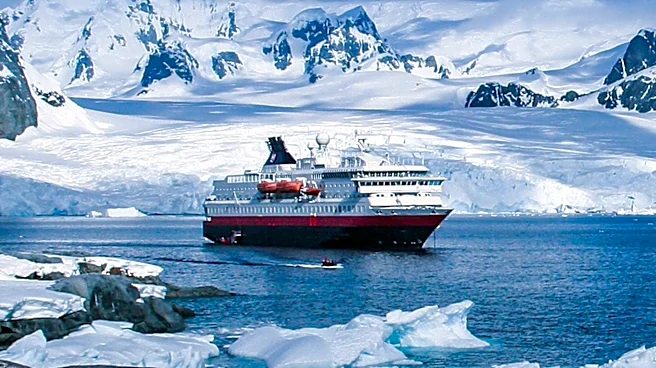
the continent, with options ranging from crossing the Drake Passage from South America to fly-cruises that bypass the open-water stretch. Travelers typically sail on small expedition ships from lines such as National Geographic-Lindblad Expeditions, Ponant, Seabourn, Silversea, and Viking, engaging in activities like Zodiac landings, kayaking, and citizen science. Following Antarctica, Australia and New Zealand are also highly sought after, with travelers seeking longer, more immersive itineraries, including explorations of the Kimberley region. Demand for polar expeditions extends north to the Arctic, with bookings for Iceland and Norway’s Arctic Explorer itineraries, particularly focusing on Svalbard. The Galapagos Islands also remain a popular choice for wildlife-driven requests. Additionally, Pavlus Travel notes an increase in domestic themed itineraries centered around national parks, music, art, and heritage, alongside perennial interest in African safaris.
Why It's Important?
This trend highlights a significant shift in luxury travel consumer behavior, indicating a strong desire for experiential and remote destinations. The preference for Antarctica, Australia, New Zealand, and the Arctic suggests that high-net-worth individuals are prioritizing unique, once-in-a-lifetime journeys over more traditional luxury vacations. This demand benefits expedition cruise lines and luxury tour operators specializing in these niche markets, driving bookings and potentially influencing future fleet expansions and itinerary developments. The emphasis on longer, deeper itineraries also points to a willingness among travelers to invest more time and money into their trips, seeking comprehensive cultural and natural immersion. The continued interest in domestic travel, alongside international expeditions, indicates a diversified approach to luxury tourism, catering to various preferences and accessibility needs. This data provides valuable insights for the travel industry, allowing companies to tailor their offerings to meet evolving consumer demands and capitalize on the growing market for adventure and exploration.
What's Next?
In response to the identified trends, travel agencies and cruise lines are likely to further enhance their offerings for polar expeditions, South Pacific journeys, and African safaris. This could include developing new itineraries, increasing capacity on popular routes, and introducing more specialized experiences such as citizen science programs in Antarctica or cultural immersions in Australia’s Kimberley region. The demand for longer, more in-depth trips may lead to the creation of extended voyages and grand tours, catering to travelers seeking comprehensive explorations. Furthermore, the sustained interest in domestic themed itineraries suggests that U.S.-based travel providers will continue to innovate within the national parks, music, art, and heritage sectors. Travel companies may also focus on promoting sustainable tourism practices in these sensitive environments, aligning with the values of luxury travelers who often seek responsible travel options. The competitive landscape among luxury travel providers will likely intensify as they vie to capture this growing market segment.
Beyond the Headlines
The surge in demand for remote and ecologically sensitive destinations like Antarctica and the Arctic raises important questions about the long-term environmental impact of increased tourism. While expedition cruise lines often emphasize sustainability and educational components, the sheer volume of visitors could pose challenges to fragile ecosystems. This trend underscores a broader societal shift towards valuing experiences and personal growth over material possessions, with travel becoming a significant means of self-discovery and connection with the natural world. The willingness to invest substantial resources in these journeys also reflects a demographic that prioritizes unique narratives and authentic encounters. From an ethical standpoint, the travel industry faces the ongoing challenge of balancing economic growth with environmental stewardship, particularly in pristine regions. This could lead to increased regulatory scrutiny and a greater emphasis on eco-tourism certifications and responsible travel initiatives to mitigate potential negative impacts and preserve these destinations for future generations.