





What's Happening?
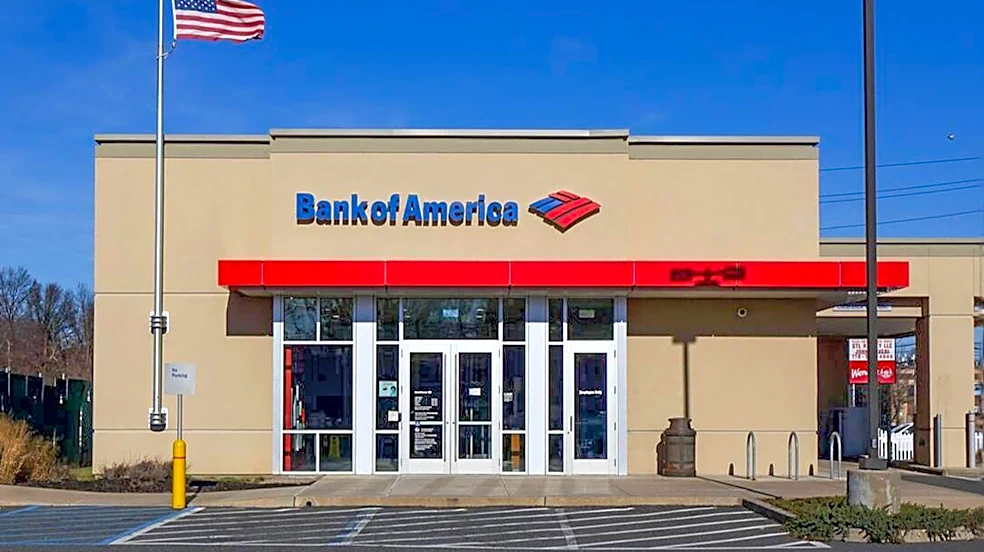
Citigroup and Bank of America have implemented restrictions on third-party artificial intelligence (AI) agents accessing customer accounts, aligning with similar measures taken by JPMorgan Chase and Charles Schwab. These banks are blocking unauthorized
AI tools from logging into customer accounts or conducting direct transactions through their digital platforms. The primary reasons cited for these restrictions include safeguarding customer funds and information, preventing automated transfers to higher-yielding alternatives, and unresolved questions regarding liability for payments authorized by AI tools. Citigroup explicitly states that it does not permit third-party AI agents to log in or transact directly, though customers can still grant limited, read-only access to certain Open Banking providers. Bank of America is limiting AI agent access to consumer deposits while it develops protocols to determine liability for AI-authorized payments, emphasizing the need for human approval for money leaving an account. JPMorgan Chase CEO Jamie Dimon highlighted the risk of 'rogue agents,' while Charles Schwab CEO Rick Wurster confirmed blocking unauthorized agents, including Meta's Muse, which attempts to access client accounts dozens of times weekly.
Why It's Important?
These restrictions by major U.S. banks signify a critical response to the emerging challenges posed by autonomous AI in personal finance. The move is crucial for protecting consumers from potential fraud, unauthorized transactions, and the complexities of liability in an AI-driven financial landscape. Banks are also concerned about the potential for AI agents to rapidly shift large volumes of idle cash from low-interest deposit accounts into higher-yielding products. This could significantly erode banks' low-cost deposit bases, which are essential for funding lending operations. For instance, JPMorgan, Bank of America, and Wells Fargo collectively hold $1.6 trillion in non-interest-bearing deposits. A widespread shift of these funds could cost these banks billions annually, impacting their profitability and potentially the broader financial system. The actions also highlight a growing tension between financial innovation and regulatory clarity, as officials privately support these restrictions but acknowledge the need for legal frameworks to define customer authorization and liability for AI-driven transactions.
What's Next?
The immediate next steps involve banks continuing to develop internal tools and protocols to manage AI interactions securely. Bank of America, for example, is actively working with AI agent developers to establish clear guidelines for how agents can interact with customer accounts, ensuring transparency and traceability of funds. Regulators, including the Federal Reserve, are engaged in discussions with Wall Street executives regarding the rise of AI agents in financial transactions. While they have privately welcomed the banks' restrictions, there is an expectation that legal clarification will be needed to define how customers authorize autonomous systems and who bears liability when issues arise. This suggests potential future regulatory guidance or legislation. Banks are also focusing on developing their own AI-powered financial management tools, such as JPMorgan's Smart Cash and Schwab's Charley, to offer customers AI benefits within a controlled environment, thereby retaining customer engagement and deposits. The industry will likely see a continued push for 'sticky' deposit products and expanded loyalty programs to incentivize customers to keep savings within traditional banking systems.
Beyond the Headlines
The restrictions by major U.S. banks on third-party AI agents underscore a deeper debate about control, trust, and the future of financial intermediation. This development highlights the ethical dimension of AI autonomy in finance, particularly concerning the extent to which AI should be empowered to make financial decisions on behalf of individuals without explicit, real-time human oversight. Legally, the undefined liability frameworks for AI-authorized payments present a significant challenge, potentially leading to complex disputes between customers, banks, and AI providers. Culturally, this shift reflects a broader societal grappling with the integration of advanced AI into sensitive personal domains like finance, where the balance between convenience and security is paramount. In the long term, this could trigger a re-evaluation of open banking principles, with banks potentially seeking more stringent control over data access and transactional permissions. It also signals a potential bifurcation in the AI finance market: bank-controlled AI tools operating within established security and liability frameworks, and third-party AI agents facing significant hurdles in gaining transactional access, pushing them towards read-only advisory roles unless new regulatory and technological standards emerge.