
What's Happening?
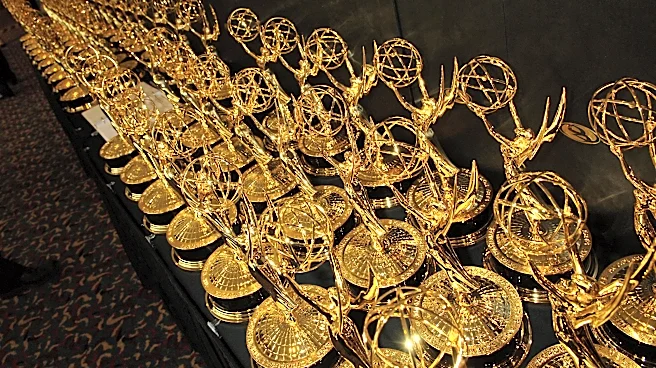
The 54th International Emmy Awards ceremony took place in New York City on November 23, 2026, celebrating outstanding television productions from around the world. The event, hosted by actor Michael Urie,
recognized creators and performers from seven countries across 16 categories. France's 'Carême' secured the award for Best Drama Series, while Belgium's Mona Mina Leon was honored for Best Performance by an Actress in 'Holy Sh!t'. The award for Best Performance by an Actor went to the UK's Bobby Schofield for 'Unforgivable'. Additionally, special accolades were presented to former Netflix Chief Content Officer Bela Bajaria, who received the Founders Award for her leadership in global entertainment and championing international storytelling. The Directorate Award was given to Austrian executive Gerhard Zeiler, recognizing his distinguished career in guiding major media businesses through significant industry changes. The International Academy of Television Arts & Sciences presented a total of 16 Emmy statues, alongside these two special awards, to programs and performances from Argentina, Belgium, France, Germany, South Africa, Türkiye, and the United Kingdom.
Why It's Important?
The International Emmy Awards serve as a crucial platform for recognizing and promoting television excellence produced outside the United States, highlighting the growing global landscape of high-quality storytelling. The recognition of diverse international productions, such as 'Carême' from France and performances from Belgium and the UK, underscores the increasing interconnectedness of the global entertainment industry and the universal appeal of compelling narratives. For the U.S. market, these awards can influence content acquisition strategies for streaming platforms and broadcasters, potentially introducing American audiences to critically acclaimed international series and talent. The acknowledgment of industry leaders like Bela Bajaria and Gerhard Zeiler also reflects the significant impact of executives who have shaped the global media ecosystem, emphasizing the strategic importance of international content in today's competitive media environment. This event reinforces the idea that compelling television content transcends geographical boundaries, fostering cultural exchange and broadening audience perspectives.
What's Next?
The recognition of these international productions at the Emmy Awards is likely to increase their visibility and potential for wider distribution, including in the U.S. market. Winning programs and performances may see increased interest from American streaming services and networks looking to license or adapt successful international formats. This could lead to more diverse content offerings for U.S. viewers and potential collaborations between American and international production companies. For the honored individuals, such as Mona Mina Leon and Bobby Schofield, these awards could open doors to international projects and broader career opportunities. The International Academy will continue its mission of recognizing global television excellence, with future awards ceremonies expected to further showcase the evolving trends and talent in the worldwide television industry. The ongoing emphasis on international storytelling by influential figures like Bela Bajaria suggests a continued focus on global content strategies within major media companies.
Beyond the Headlines
The International Emmy Awards reflect a broader trend in the entertainment industry towards globalization and the breaking down of traditional content barriers. The success of non-English language productions and diverse cultural narratives at such a prestigious event highlights a shift in audience preferences and industry recognition beyond Hollywood-centric content. This trend has significant implications for cultural exchange, as stories from different parts of the world gain wider exposure, fostering greater understanding and appreciation of diverse perspectives. Ethically, it encourages a more inclusive representation of global experiences in media. Legally, it may influence international co-production agreements and intellectual property rights as content crosses more borders. Culturally, it signifies a move towards a more globalized media landscape where quality storytelling, regardless of origin, is celebrated, potentially leading to a richer and more varied viewing experience for audiences worldwide and challenging the dominance of any single national industry.