







What's Happening?
Experts are addressing the phenomenon of 'clutter creep,' defined as the gradual accumulation of items in living spaces that eventually overwhelm them. This issue often stems from habits like temporarily setting items down or postponing putting things
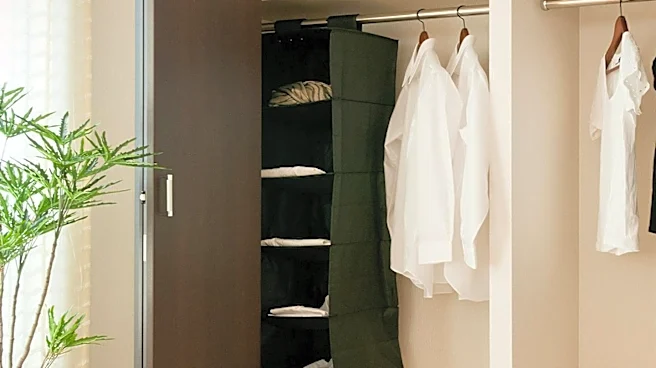
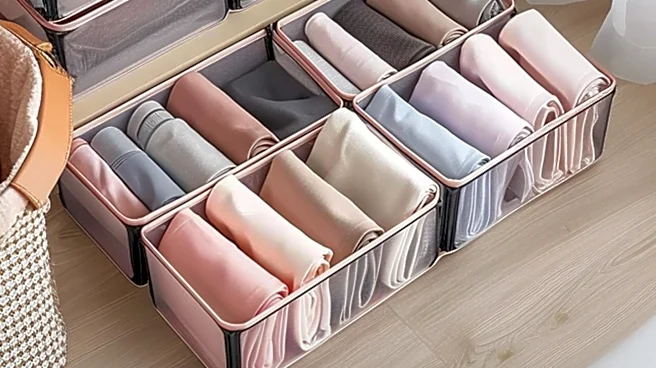
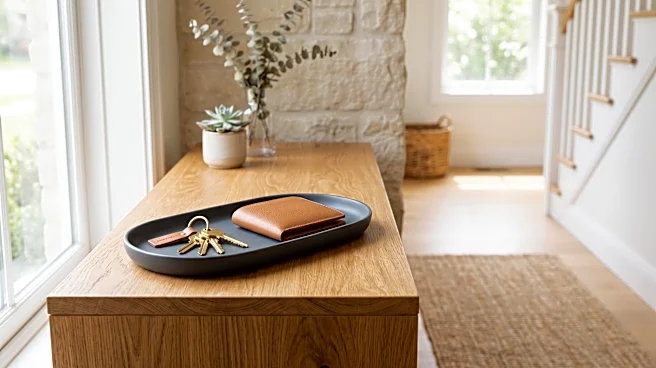
away, leading to a snowball effect of disorganization. The problem is insidious, as clutter accumulates slowly and can lead to 'junk blindness,' where residents no longer notice the mess. Strategies to combat clutter creep include acknowledging the problem, prioritizing decluttering to create more storage space, and setting up functional organization systems. These systems can involve creating entryway drop zones for keys and wallets, morning routine corners in kitchens, and charging stations for electronic devices. Additionally, using containers to limit the number of items stored and performing small, frequent 'resets' throughout the day are recommended to maintain tidiness and prevent accumulation.
Why It's Important?
Clutter creep significantly impacts the daily lives and well-being of many U.S. households. The gradual accumulation of items can lead to increased stress levels, as individuals spend more time searching for misplaced items and feel overwhelmed by their living environment. This can affect productivity, mental clarity, and overall household harmony. By providing actionable strategies, experts aim to empower individuals to regain control over their living spaces, fostering a more organized and peaceful home environment. The emphasis on creating designated homes for items and performing regular, small tidying tasks makes these solutions accessible and sustainable for busy individuals. Addressing clutter creep can also prevent financial waste, as people are less likely to repurchase items they already own but cannot find. Ultimately, these strategies contribute to a more functional and enjoyable home life, which is foundational to personal well-being.
What's Next?
As awareness of 'clutter creep' and its impact grows, there will likely be an increased focus on proactive organizational habits and products designed to support these strategies. Consumers may seek out more specialized containers, modular storage solutions, and furniture with integrated organizational features. Home organization services and digital tools that help track and manage household items could also see a rise in popularity. Educational content, such as workshops and online guides, will continue to provide practical advice on maintaining tidy homes. The emphasis on small, consistent efforts suggests a shift from sporadic, large-scale decluttering to a more integrated, daily approach to home management. This could lead to a broader cultural embrace of mindful consumption and intentional living, where every item has a purpose and a designated place.
Beyond the Headlines
The concept of 'clutter creep' extends beyond mere physical disarray, touching upon psychological and behavioral aspects of modern living. It highlights how seemingly minor habits can collectively lead to significant problems, mirroring broader societal issues of accumulation and consumption. Ethically, addressing clutter can encourage more sustainable practices by prompting individuals to evaluate their possessions and reduce unnecessary purchases. Psychologically, a decluttered environment can reduce cognitive load, improve focus, and foster a sense of calm and control, which is crucial in an increasingly chaotic world. Culturally, the struggle with clutter reflects the challenges of consumerism and the constant influx of new goods, prompting a re-evaluation of what truly adds value to one's life. The strategies offered encourage a more mindful approach to possessions, promoting a shift from quantity to quality and from accumulation to intentional curation of one's living space.