






What's Happening?
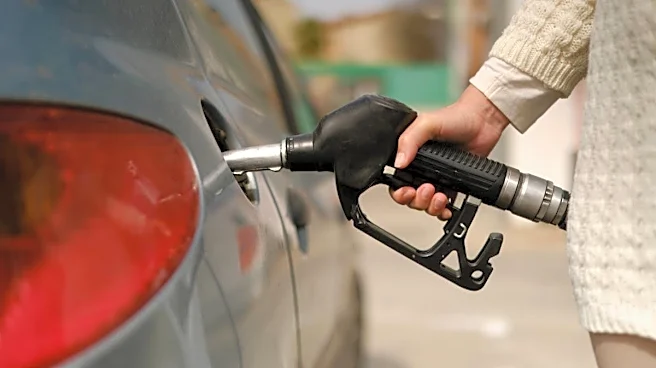
Darren Woods, CEO of ExxonMobil, has emphasized the significant impact of China's economic situation on the future development of gasoline prices. Despite a decline in crude oil prices, gasoline prices remain elevated due to a shortage in refined products.
Woods pointed out that refineries and international supply chains have not yet met the demand, which keeps fuel prices high. He noted that the current market conditions are characterized by a disconnect between crude oil and fuel prices, largely due to limited refining capacity and international supply disruptions. Woods also mentioned that additional exports, particularly from China, could alleviate the situation by increasing the supply of refined products.
Why It's Important?
The insights from Darren Woods are crucial as they highlight the complexities of the global fuel market and its impact on U.S. consumers. The persistent high gasoline prices, despite falling crude oil prices, affect both individual consumers and businesses reliant on fuel. This situation underscores the importance of refining capacity and international trade in stabilizing fuel prices. The reliance on international supply chains, particularly from countries like China, indicates potential vulnerabilities in the U.S. energy market. The ongoing high prices could lead to increased costs for transportation and goods, affecting the broader economy.
What's Next?
To address the high gasoline prices, there may be a push for increased refining capacity and diversification of supply sources. Policymakers and industry leaders might explore strategies to enhance domestic refining capabilities and reduce dependency on international supply chains. Additionally, there could be diplomatic efforts to ensure stable trade relations with key exporters like China. The energy sector may also see investments in alternative energy sources to mitigate the impact of such market fluctuations in the future.