






What's Happening?
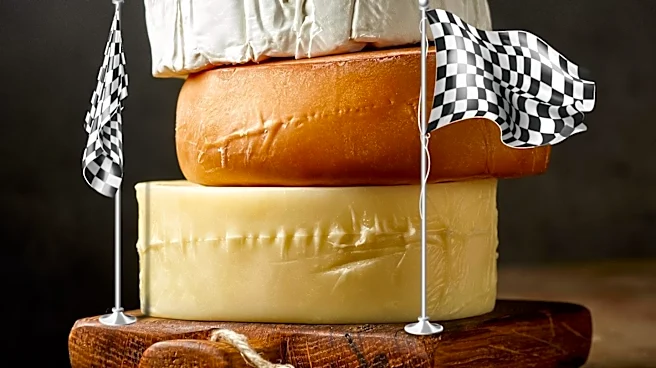
The Drexel Food Lab at Drexel University conducted a two-month study to determine the most effective methods for storing cheese, aiming to preserve taste, texture, and prevent spoilage. Researchers tested nine different storage solutions on brie and cheddar
cheese, simulating normal household use in a consumer-grade refrigerator. The study focused on factors such as moisture retention, breathability, and flavor impact. The findings revealed that Formaticum’s flagship cheese storage paper performed best, keeping cheese fresh without drying out and preventing unwanted mold growth for nearly two months. The paper, made of polyethylene, creates a humid yet oxygenated environment ideal for cheese. Other methods, such as wrapping cheese in a paper towel and then placing it in a resealable plastic bag, were found to be relatively effective for managing moisture. Conversely, storing cheese directly in sealed plastic bags or containers led to condensation and rapid spoilage due to microbial growth.
Why It's Important?
This research is important for U.S. consumers and the food industry, particularly given the rising cost of specialty cheeses. Improper storage leads to significant food waste and financial loss for consumers. By identifying optimal storage techniques, the study provides practical guidance that can extend the shelf life of cheese, allowing consumers to enjoy their purchases for longer and reduce waste. For businesses, especially cheese producers and retailers, understanding these storage principles can inform packaging decisions and consumer education efforts, potentially increasing customer satisfaction and reducing product returns due to spoilage. The study also highlights the scientific principles behind cheese preservation, emphasizing the need for both breathability and humidity to maintain the living microbial ecosystem within cheese, which is crucial for flavor development and preventing undesirable mold. This knowledge can contribute to broader efforts in food preservation and sustainability within the U.S. food system.
What's Next?
Consumers can immediately apply the findings by adopting recommended storage methods, such as using specialized cheese paper or the paper towel-in-plastic bag technique. The study suggests that while some premium options like the Cheese Grotto Fresco offer excellent conditions for aging and storage, simpler and more affordable methods are also highly effective. The Drexel Food Lab's ongoing research and collaborations with industry clients may lead to further innovations in food product design and storage solutions. Future research could explore the long-term effects of these storage methods on a wider variety of cheeses, investigate new materials for cheese packaging, or delve deeper into the specific microbial interactions that occur under different storage conditions. The insights gained could also influence food safety guidelines and consumer product development in the U.S., promoting more efficient and sustainable food consumption practices.
Beyond the Headlines
Beyond the practical benefits of extending cheese shelf life, this study touches upon deeper aspects of food science and consumer behavior. The emphasis on cheese as a 'living product' underscores a shift in understanding food beyond mere commodities, recognizing its complex biological nature. This perspective can foster greater appreciation for traditional food preservation methods and encourage consumers to engage more thoughtfully with their food. Ethically, reducing food waste aligns with broader sustainability goals and addresses concerns about resource allocation. Culturally, the study reinforces the value of artisanal and specialty foods, suggesting that proper care can enhance the enjoyment and longevity of these products. The research also highlights the role of academic institutions like Drexel Food Lab in providing evidence-based solutions to everyday challenges, bridging the gap between scientific inquiry and practical application in the U.S. household and food industry.