





What's Happening?
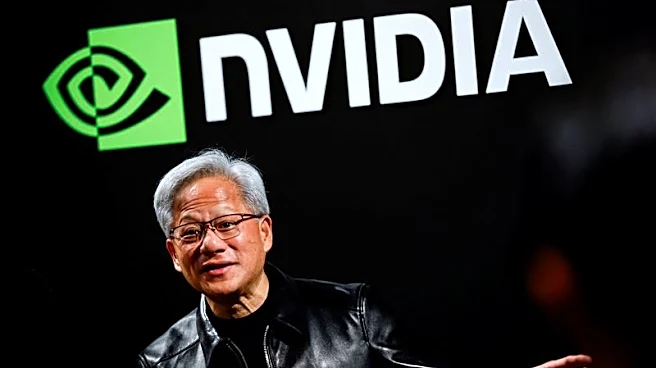
Jensen Huang's resignation as CEO, president, and board member of Nvidia has brought to light significant governance challenges inherent in founder-led businesses. According to Governance Intelligence, the controversy surrounding Huang has raised fundamental
questions about director independence and the risks associated with building a global enterprise around a single individual. Nvidia's board had not appointed a separate board chair, with Huang holding both CEO and president roles, which complicated oversight when an investigation into his conduct became necessary. The company has since appointed Harvey C. Jones as its first board chair, though his long tenure since 1993 raises questions about fresh perspectives. Furthermore, reports indicate that over 60 executives reported directly to Huang, creating a highly centralized decision-making structure. This concentration of power and institutional knowledge in one person poses substantial risks regarding succession planning and the company's operational continuity after the founder's departure. CFO Colette Kress has been appointed interim CEO while the board searches for a permanent successor.
Why It's Important?
This situation is critically important for the U.S. business landscape, particularly for the numerous founder-led tech companies that have become pillars of the economy, such as SpaceX, Tesla, Anthropic, and OpenAI. The Nvidia case serves as a stark reminder that while visionary founders can drive immense success, their concentrated influence can also create significant governance vulnerabilities. The lack of a clear succession plan and the deep entrenchment of operational knowledge within one individual can lead to instability and uncertainty upon their unexpected departure. This can impact investor confidence, operational efficiency, and strategic direction. For companies whose products affect national security, critical infrastructure, and the wider economy, these governance gaps are particularly concerning. The incident underscores the need for robust corporate governance structures, independent boards, and well-defined succession strategies to ensure long-term stability and accountability, even in the presence of a highly influential founder.
What's Next?
Nvidia's board is currently searching for a permanent CEO, considering both internal and external candidates. The ongoing investigation into Huang's conduct and its potential public disclosure remain critical. Shareholders may pursue further legal action, questioning the board's oversight and fiduciary duties. Beyond Nvidia, the incident is expected to prompt other founder-led companies to re-evaluate their governance structures, board independence, and succession planning. There will likely be increased scrutiny from investors and regulators on how these companies balance founder influence with corporate accountability. Boards may be pressured to appoint independent chairs, diversify leadership, and ensure institutional knowledge is distributed across the executive team. The tech sector might see a trend towards more formalized governance practices to mitigate risks associated with founder dependence, especially for companies with significant market influence and economic impact.
Beyond the Headlines
The Nvidia situation highlights a deeper tension between the entrepreneurial spirit that drives innovation and the need for mature corporate governance. The 'cult of personality' often surrounding visionary founders, while beneficial for brand building and rapid decision-making, can obscure underlying structural weaknesses. Ethically, it raises questions about the responsibilities of boards to challenge powerful executives and ensure the company's interests extend beyond those of its founder. Legally, it could lead to increased shareholder activism and stricter regulatory oversight regarding board independence and succession planning in founder-led firms. Culturally, it may shift perceptions of leadership, emphasizing collective responsibility and distributed expertise over singular genius. This event could trigger a long-term re-evaluation of what constitutes 'effective leadership' in high-growth, founder-driven companies, pushing for a model that integrates visionary leadership with robust, transparent, and accountable governance frameworks.