




What's Happening?
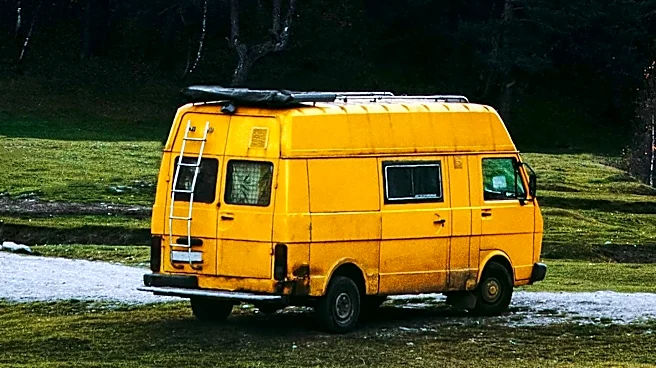
Van life is a growing lifestyle trend centered around living in converted vans, promoting a mobile, active, and carefree existence on the road. This movement involves individuals sharing their experiences, tips, and tricks for van conversions, as well
as exploring new destinations. The van life community actively utilizes various online platforms, including websites, blogs, and social media channels, to disseminate information on van build techniques, travel cost management, and emerging van life trends. Participants often engage in outdoor activities, practice boondocking (camping in undeveloped areas without hookups), and seek out unique, less-traveled spots away from typical tourist attractions. The community also organizes events and shows, providing opportunities for like-minded individuals to connect, exchange knowledge, and learn more about van conversions and travel. This lifestyle emphasizes self-sufficiency, adventure, and a strong sense of community among those who choose to live on the road.
Why It's Important?
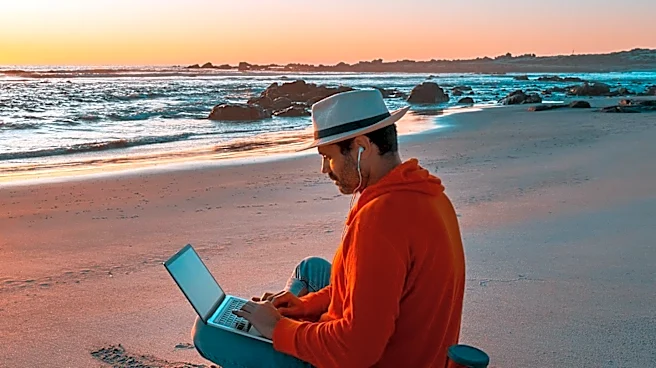
The rise of van life signifies a notable shift in lifestyle preferences, impacting various sectors from automotive and tourism to remote work and housing. For the automotive industry, it drives demand for specific vehicle types suitable for conversion, as well as aftermarket parts and accessories. The tourism sector is affected by a growing segment of travelers who prioritize flexibility, off-grid experiences, and less traditional accommodations, potentially shifting revenue away from conventional hotels and resorts. The emphasis on remote work capabilities within the van life community highlights the increasing acceptance and infrastructure for location-independent employment, influencing urban planning and digital connectivity needs in rural areas. Furthermore, van life presents an alternative housing solution, particularly for those seeking to reduce living costs or embrace minimalism, which could have long-term implications for real estate markets and urban development. The community's focus on resource sharing and sustainable practices also reflects broader societal trends towards environmental consciousness and collaborative consumption.
What's Next?
The van life movement is expected to continue its growth, leading to further innovation in van conversion technologies and services. We may see an increase in specialized businesses offering modular van build kits, advanced off-grid power solutions, and smart home integrations tailored for mobile living. The expansion of van life events and expos will likely foster stronger community ties and provide more educational resources for aspiring van dwellers. Additionally, as more people adopt this lifestyle, there could be a greater demand for public infrastructure supporting van life, such as designated boondocking sites, improved waste disposal facilities, and accessible charging stations in remote areas. Regulatory bodies might also begin to address issues related to long-term parking, residency, and access to public lands, potentially leading to new policies or guidelines. The ongoing development of remote work technologies will further enable individuals to sustain a mobile lifestyle, attracting a broader demographic to the van life community.
Beyond the Headlines
Beyond the immediate practicalities, van life embodies a deeper cultural shift towards experiential living, minimalism, and a redefinition of 'home.' It challenges traditional notions of stability and ownership, promoting a philosophy where experiences and freedom are prioritized over material possessions and fixed addresses. This lifestyle can foster a heightened sense of self-reliance and adaptability, as individuals learn to navigate diverse environments and manage resources independently. Ethically, it raises questions about land use, environmental impact, and the balance between individual freedom and community regulations, particularly concerning waste management and resource consumption in natural areas. Culturally, van life contributes to a growing subculture that values adventure, community, and a connection to nature, influencing media, art, and social discourse around alternative living. The long-term implications could include a more fluid and decentralized population, with potential impacts on local economies, social structures, and the very concept of belonging.