





What's Happening?
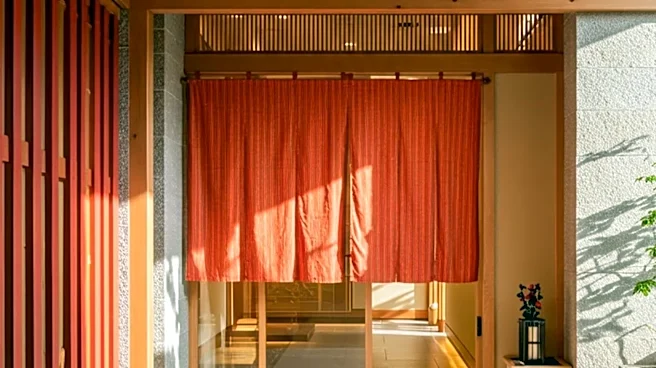
The Japan Ryokan and Hotel Association Tokyo Branch is promoting three traditional Japanese inns (ryokan) in downtown Tokyo—Andon Ryokan, Ryokan Asakusa Shigetsu, and Ryokan Sawanoya—as ideal accommodations for U.S. travelers. These ryokan offer a blend
of traditional Japanese hospitality, such as tatami rooms, hinoki cypress baths, and homemade breakfasts, with modern conveniences and English-speaking services. Ryokan Sawanoya, in particular, is highlighted as LGBTQ-friendly and Muslim-friendly, welcoming a diverse range of guests. The inns are located in historic neighborhoods like Minowa, Asakusa, and Yanaka, providing guests with an authentic experience of Tokyo's traditional streetscapes and daily life. The initiative aims to offer U.S. visitors a deeper cultural immersion beyond typical sightseeing, emphasizing the unique charm and hospitality of Japanese inns.
Why It's Important?
This initiative is significant for U.S. travelers seeking authentic cultural experiences in Japan, moving beyond conventional hotel stays. The emphasis on LGBTQ-friendly accommodations, such as Ryokan Sawanoya, addresses a growing demand for inclusive travel options, making Japan more accessible and welcoming to a broader demographic of international visitors. By promoting these traditional inns, the Japan Ryokan and Hotel Association Tokyo Branch is not only boosting local tourism but also preserving and showcasing Japan's rich cultural heritage. For the U.S. travel market, it provides unique lodging alternatives that offer a deeper connection to Japanese culture, potentially increasing interest in travel to Tokyo and other regions of Japan. The focus on English services and diverse guest inclusivity also helps bridge cultural gaps, making the experience more comfortable and enjoyable for American tourists.
What's Next?
The promotion of these ryokan is expected to increase bookings from U.S. travelers, especially those looking for culturally immersive and inclusive experiences. The Japan Ryokan and Hotel Association Tokyo Branch will likely continue its outreach to international markets, potentially expanding its recommendations to other regions of Japan. Travel agencies and media in the United States are encouraged to inquire about these properties, suggesting future collaborations and increased visibility through travel publications and platforms. The success of this initiative could lead to more ryokan adopting similar inclusive policies and enhancing their services for international guests. This trend could further solidify Japan's reputation as a welcoming destination for diverse travelers, fostering greater cultural exchange and tourism growth between the U.S. and Japan.
Beyond the Headlines
The promotion of LGBTQ-friendly ryokan in Tokyo reflects a broader global trend towards inclusive tourism and a growing recognition of diverse traveler needs. This move by traditional Japanese establishments signifies an evolving cultural landscape in Japan, where hospitality is adapting to meet international standards of inclusivity while retaining its unique heritage. Beyond economic benefits, this initiative fosters cross-cultural understanding and acceptance, challenging traditional notions of hospitality to embrace a wider spectrum of guests. It also highlights the importance of cultural exchange in promoting global harmony, as travelers from different backgrounds can experience authentic Japanese traditions in a welcoming environment. This shift could encourage other traditional industries worldwide to re-evaluate their practices and become more inclusive, contributing to a more diverse and accepting global travel industry.