



What's Happening?
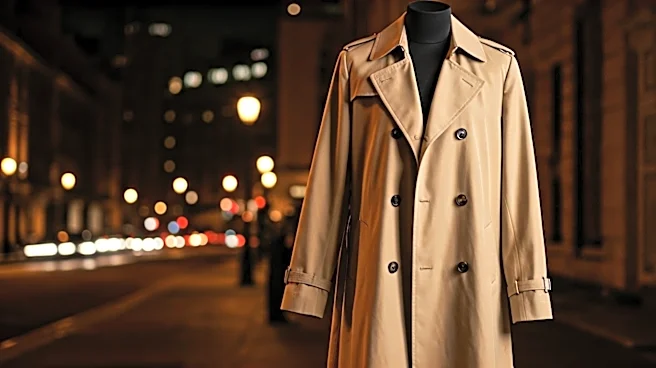
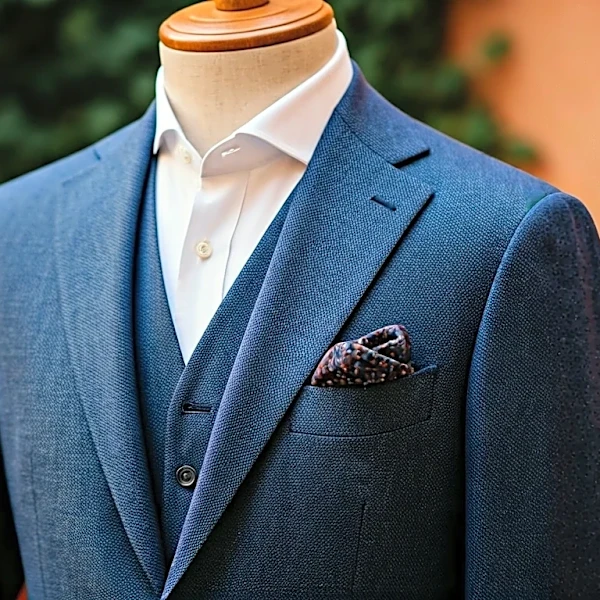
The pre-fall 2026 fashion collections are showcasing a shift towards more intentional and versatile styling. Designers are focusing on creating pieces that blend ease with elegance, featuring sharp tailoring and elevated separates suitable for everyday
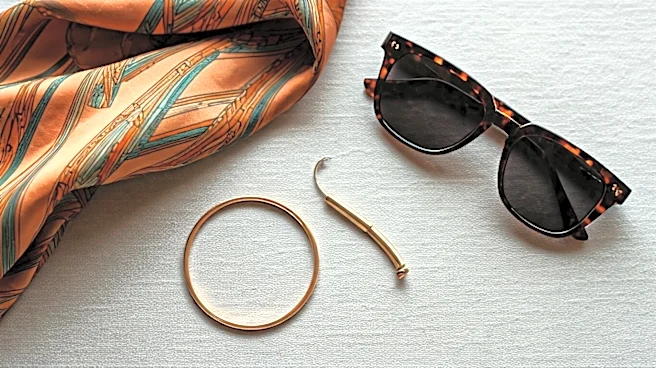
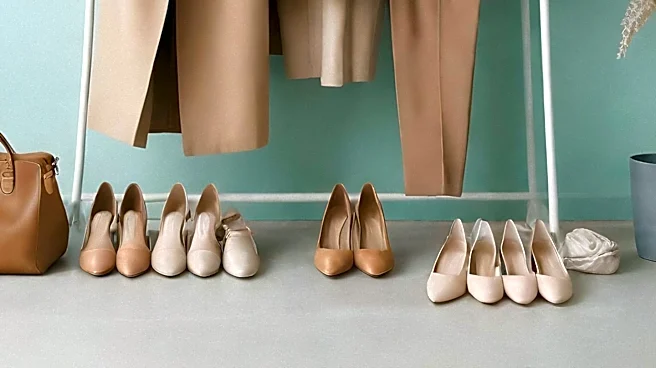
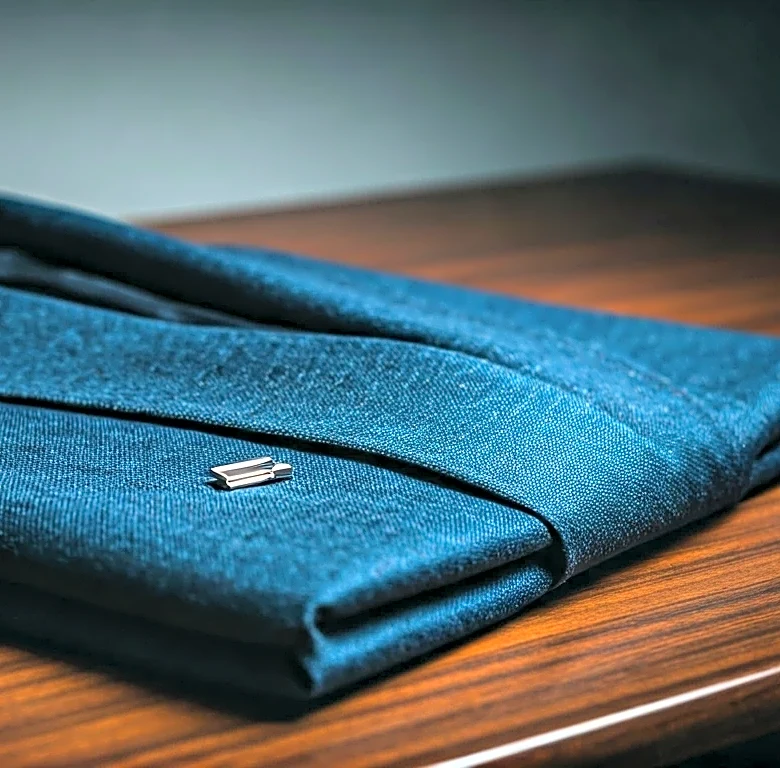
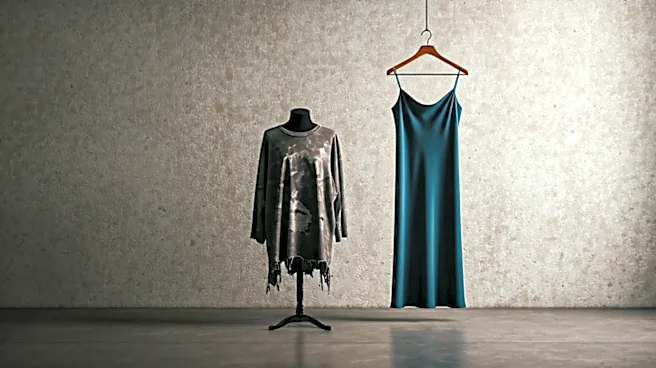
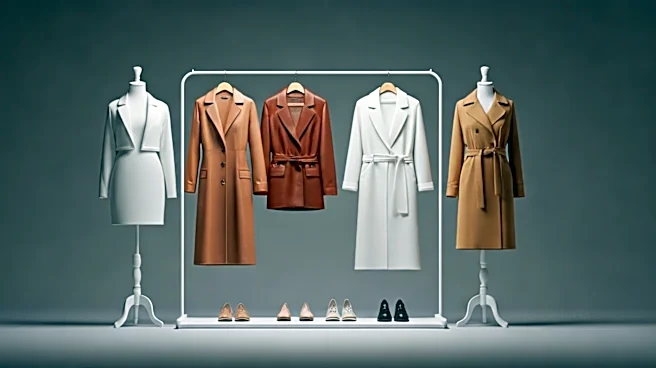
wear. The collections emphasize a quiet confidence with rich textures and sophisticated styling. A notable trend is the juxtaposition of feminine blouses with structured, menswear-inspired trousers, creating a captivating play on proportions. Monochromatic dressing is making a strong comeback, with complete outfits in colors like chocolate brown and army green. Accessories such as scarves are being reimagined as belts and sarongs, adding character to outfits. The collections aim to build a wearable wardrobe that speaks for itself, moving away from making grand statements.
Why It's Important?
The shift towards versatile and intentional fashion reflects broader consumer trends favoring practicality and sustainability. By focusing on pieces that can be worn in various settings, designers are catering to a market that values longevity and adaptability in fashion. This approach may influence consumer purchasing decisions, encouraging investment in quality over quantity. The emphasis on monochromatic dressing and versatile accessories also highlights a move towards personal expression through subtlety rather than overt statements. This trend could impact retail strategies, with stores potentially prioritizing collections that offer mix-and-match options and timeless styles. The fashion industry may see a shift in marketing strategies, focusing on the versatility and sustainability of collections.
What's Next?
As the pre-fall collections gain traction, fashion retailers and designers may continue to explore and expand on these themes in upcoming seasons. The focus on versatile styling could lead to collaborations with sustainable brands and the development of new materials that enhance the longevity of garments. Fashion weeks and industry events may highlight these trends, influencing future collections and consumer expectations. Retailers might adjust their inventory to include more versatile and monochromatic pieces, aligning with consumer demand for practical and stylish options. The industry could also see an increase in digital marketing campaigns that emphasize the adaptability and sustainability of fashion collections.