






What's Happening?
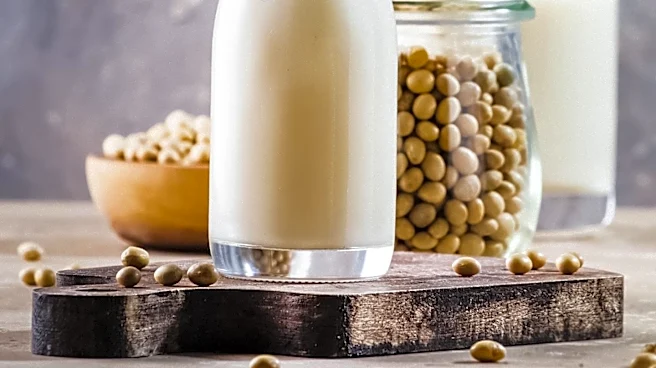
Consumer Reports has identified Silk Unsweet Organic Soymilk as the highest-rated non-dairy milk alternative, scoring 80 out of 100 in their review of over 30 options. The evaluation considered overall nutrition, flavor, texture, and the comparison of vitamin
and mineral composition to cow's milk. Soy milk, in general, dominated the top rankings, with the top six dairy milk alternatives all being soy-based. Silk Unsweet Organic Soymilk particularly excelled in nutritional value, achieving a perfect score in the vitamins and minerals category and a four out of five in overall nutrition. It provides 7 grams of protein and 23% of the Daily Value of calcium per cup, closely matching the 8 grams of protein and 29% of calcium found in 2% cow's milk. Unlike many other plant-based milks, it contains no added sugar and has a relatively simple ingredient list.
Why It's Important?
This finding is significant for consumers seeking nutritious plant-based alternatives to cow's milk, especially given the expanding variety of non-dairy options available. The nutritional comparability of fortified soy milk to dairy milk is crucial, as it is the only plant-based alternative recognized in the dairy category of the U.S. government's nutritional guidelines. This makes soy milk a vital option for individuals with dairy allergies, lactose intolerance, or those following vegan diets, ensuring they can still meet essential nutritional requirements for protein, calcium, and other vitamins and minerals like A, E, and magnesium. The clarity provided by Consumer Reports helps consumers make informed choices, promoting healthier dietary patterns and supporting the growth of the plant-based food industry. The emphasis on unsweetened options also addresses concerns about added sugars in beverages, aligning with public health recommendations for reduced sugar intake.
What's Next?
The endorsement from Consumer Reports is likely to increase consumer confidence and demand for soy milk, particularly for brands like Silk Unsweet Organic Soymilk. This could lead to increased market share for soy milk products within the rapidly growing plant-based milk sector. Manufacturers of other non-dairy alternatives may face pressure to enhance the nutritional profiles of their products to compete more effectively with soy milk. The continued expansion of the plant-based milk aisle suggests that innovation in this category will persist, with companies exploring new ingredients and fortification methods to offer nutritionally complete options. For consumers, this means a wider array of choices that are both palatable and beneficial for health, further integrating plant-based options into mainstream diets and potentially influencing future dietary guidelines and recommendations.
Beyond the Headlines
The rise of soy milk as a leading non-dairy alternative reflects broader shifts in consumer preferences and dietary trends, driven by health consciousness, ethical considerations, and environmental concerns. The nutritional completeness of soy milk, particularly its protein content and fortification with essential vitamins and minerals, positions it as a strong contender against traditional dairy. This trend also highlights the ongoing debate and research into the health benefits and potential drawbacks of various plant-based diets. The recognition by U.S. government nutritional guidelines underscores the scientific validation of soy milk as a viable dairy substitute. As the plant-based market continues to evolve, the focus on nutritional equivalence will likely become a key differentiator, pushing manufacturers to prioritize health benefits alongside taste and sustainability, ultimately reshaping the landscape of the beverage industry.