




What's Happening?
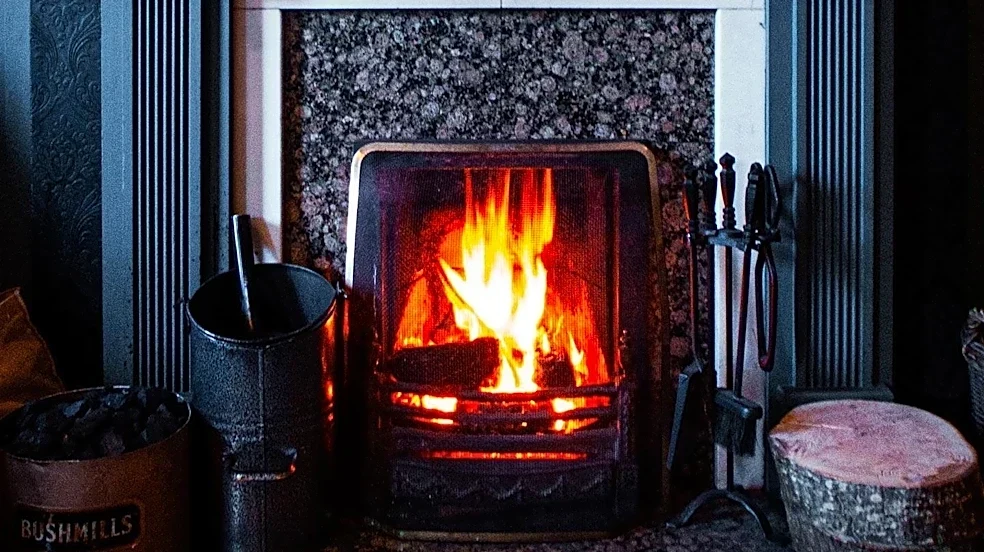
The use of decorative fireplaces, candles, and incense can significantly impact indoor air quality, necessitating mindful practices to maintain a healthy living environment. Every flame consumes oxygen and emits substances, increasing the load on indoor air.
While some modern fireplaces, like those using Tenderfuel with a patented steel wick, claim a cleaner burning process, it is still advisable to limit the number of simultaneous combustion sources. Paraffin-based candles, in particular, can contribute to higher concentrations of airborne substances. The air quality within a home is determined by a combination of factors, with ventilation and insulation playing central roles. Proper ventilation ensures the removal of combustion byproducts and the replenishment of fresh oxygen. In modern, well-insulated homes, natural air infiltration is often limited, making active ventilation essential. Room size also acts as a buffer, with larger spaces better able to absorb byproducts before concentrations become problematic.
Why It's Important?
Maintaining good indoor air quality is crucial for public health, as poor air can lead to respiratory issues, headaches, and fatigue. For U.S. households, the increasing popularity of decorative fireplaces and scented products means a greater potential for indoor air pollution. This issue is particularly important for individuals with pre-existing respiratory conditions, children, and the elderly. The advice to limit simultaneous combustion sources and ensure adequate ventilation highlights a need for greater consumer awareness regarding the environmental impact of household items. Economically, poor indoor air quality can lead to increased healthcare costs and decreased productivity. The emphasis on mindful use and proper ventilation also points to a broader trend in home management, where health and environmental considerations are becoming as important as aesthetics and comfort.
What's Next?
To ensure optimal indoor air quality when using decorative fireplaces, several practical steps are recommended. These include keeping a window slightly open or using mechanical ventilation systems during use, and airing the room briefly and intensively before and after burning. Users should also consult the manual for their specific fireplace model, as designs vary in heat output and ventilation requirements. Monitoring air quality, especially in smaller rooms, can help determine when additional ventilation is needed. For Tenderflame products, using only the prescribed Tenderfuel and keeping the steel wick clean are crucial. These guidelines suggest a continued focus on educating consumers about responsible product use and the importance of ventilation to mitigate indoor air pollution from combustion sources.
Beyond the Headlines
The discussion around fireplace use and indoor air quality touches upon the broader cultural value placed on ambiance and comfort in American homes. The desire for cozy environments often leads to the use of items like candles and fireplaces, sometimes without full awareness of their health implications. This situation highlights a tension between lifestyle choices and health outcomes. The development of cleaner-burning technologies, like Tenderfuel, represents an industry response to these concerns, aiming to provide aesthetic benefits with reduced environmental impact. However, the ultimate responsibility for maintaining healthy indoor air still largely rests with the homeowner through informed choices and diligent practices. This also opens up conversations about product labeling and consumer education, ensuring that individuals have the necessary information to make decisions that balance comfort with health.