






What's Happening?
The defense technology sector is experiencing heightened attention as governments prioritize the development and deployment of unmanned systems, hypersonics, and autonomous capabilities. This focus is driving investment and strategic comparisons between
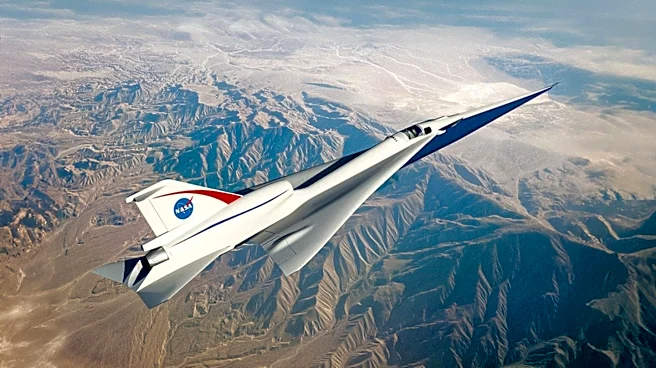
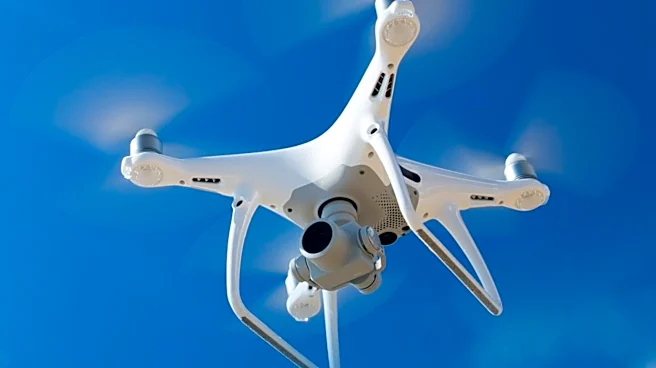
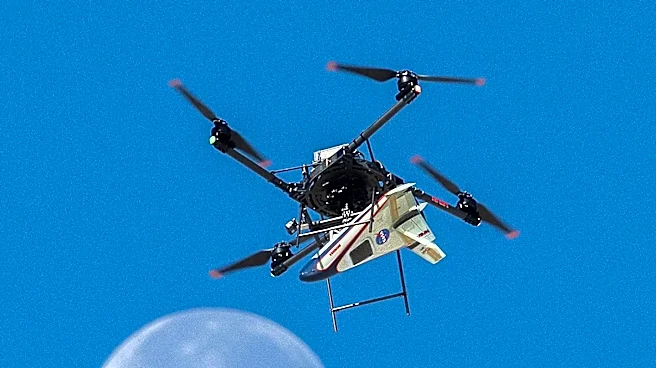
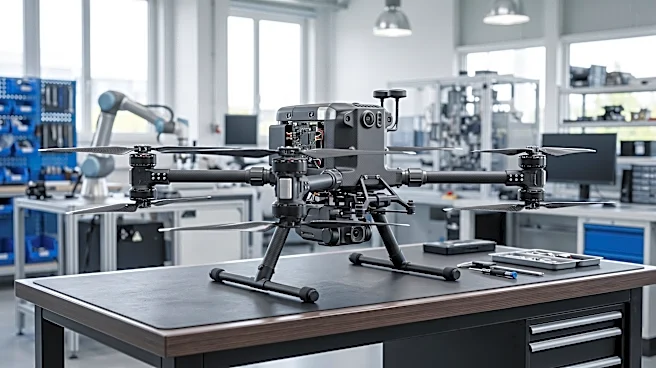
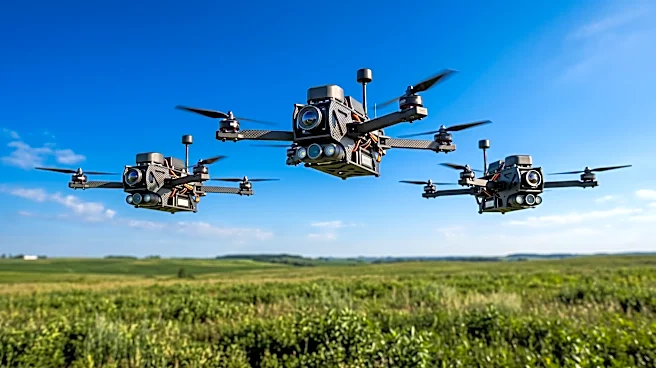
companies operating in this space. Kratos Defense & Security Solutions (KTOS) and Red Cat Holdings (RCAT) exemplify different investment profiles within this evolving market. KTOS is a diversified defense contractor providing military-grade technology, including unmanned aerial systems (UAS), target drones, hypersonic vehicles, and satellite ground systems. The company reported strong performance with a 22.6% year-over-year revenue increase to $371 million in its fiscal first quarter, a record backlog near $2 billion, and positive net income. In contrast, RCAT is a smaller, high-growth drone specialist focused on small unmanned aircraft and uncrewed surface vessels. RCAT saw an 849% year-over-year revenue surge to $15.5 million in its first quarter but continues to post operating losses. Both companies operate in a sector critical to national security priorities.
Why It's Important?
The increased prioritization of unmanned systems and hypersonics by governments signifies a fundamental shift in modern defense strategies. These technologies offer significant advantages in reconnaissance, precision strike, and reducing human risk in combat scenarios. For the U.S. defense industry, this translates into substantial contract opportunities and a push for rapid technological innovation. Companies like KTOS, with diversified portfolios and established profitability, are well-positioned to secure large government contracts and provide stable returns. RCAT, while smaller and currently unprofitable, represents the high-growth potential of specialized drone technology, particularly with its flagship Black Widow drone securing a U.S. Army program. The comparison between these two companies highlights the diverse investment strategies available in the defense tech sector: stable, diversified growth versus high-risk, high-reward specialization. This sector's growth is directly tied to national security needs and geopolitical developments, making it a critical area for economic and strategic investment.
What's Next?
The defense technology sector is expected to continue its rapid evolution, with ongoing government investment in advanced capabilities. Companies like KTOS will likely leverage their established relationships and diversified offerings to secure more long-term contracts for complex defense systems. RCAT, on the other hand, will need to demonstrate continued success in converting its opportunity pipeline into signed contracts and deliveries to achieve profitability and sustain its high growth trajectory. The competition for key programs, especially in the unmanned systems and hypersonics domains, is anticipated to intensify. Further advancements in artificial intelligence and autonomous operations will likely integrate more deeply into these defense technologies, driving the next wave of innovation. Investors will closely watch for new contract awards, technological breakthroughs, and financial performance to assess the long-term viability and growth potential of companies in this critical sector.
Beyond the Headlines
The emphasis on unmanned systems and hypersonics extends beyond immediate military applications, signaling a broader technological arms race and a redefinition of warfare. The development of these technologies raises complex ethical and legal questions regarding autonomous decision-making in combat and the proliferation of advanced weaponry. For the U.S., maintaining a technological edge in these areas is crucial for national security and global influence. The growth of companies like RCAT, which are rapidly innovating in specialized niches, demonstrates how smaller, agile firms can disrupt traditional defense contracting models. This also highlights the importance of a robust defense industrial base that can foster both established giants and innovative startups. The ongoing investment in these technologies will likely spur advancements in related fields such as AI, robotics, and advanced materials, creating spillover benefits for civilian applications and driving broader economic growth.